
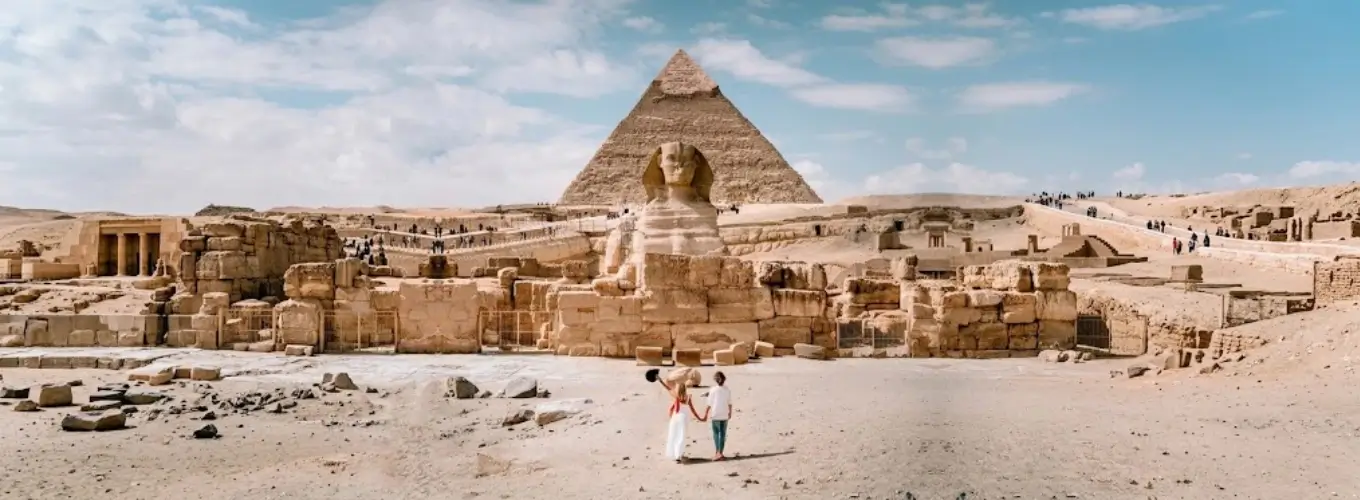
Is January a Good Time to Visit Egypt?
Yes. Egypt in January is cool, dry and sunny, with daytime highs of about 18–24°C along the Nile and chilly nights, which makes it ideal for long days of sightseeing. It is high season, so expect steady crowds and firm prices, especially in the first two weeks. The Red Sea is too cool for most swimmers.
- Book Nile cruises and hotels two to three months ahead.
- Pack warm layers — Luxor and desert mornings are cold.
- Start early winter days are short and sites close around 5 p.m.
- Visit after January 10 for thinner crowds.
- Carry a warm jacket for early balloon rides and desert nights.
Nobody packs a puffer jacket for the Pyramids — and yet that is exactly the mistake that catches travellers out when they book Egypt in January. The postcard version of Egypt is all blazing sun and sweat; the January version is crisp mornings, golden afternoons and temples you can actually walk through without wilting.
It is the coolest month of the year, the clearest for photography, and one of the most rewarding times to sail the Nile — provided you know what you are getting into.
This guide covers real temperatures city by city, how busy the sites get once the holiday rush fades, what it costs, what to pack for those chilly desert dawns, and a day-by-day plan you can copy. If you would like to see how a winter trip comes together before you read on, browse our Egypt travel packages and keep this page open for the details.
Why Visit Egypt in January
Ask a seasoned guide when the country is at its most comfortable and you will hear the same answer from November through February, but January has a character all its own.
Egypt in January is the heart of the cool season: the fierce heat that turns July sightseeing into an endurance test is a distant memory, the air is dry and clear, and the sun sits low enough to throw soft, golden light across the temples of Luxor and the plateau at Giza.
Long walking days that would be punishing in summer become genuinely pleasant, and you can spend a full morning inside Karnak or the Valley of the Kings without retreating to the shade every twenty minutes.
There is a second reason travellers choose Egypt in January: the calendar. The festive crowds of Christmas and New Year thin out after the first week, hotels and cruise ships settle into a steadier rhythm, and the country feels less hurried. If you loved the idea of a winter trip but could not travel over the holidays, our Christmas tours show how the festive version works, and January is the quieter sequel.
Add the Grand Egyptian Museum, now fully open beside the Giza Plateau with the complete Tutankhamun collection on display, and there has rarely been a better winter to go.
How January Compares to December and February
It helps to set the month beside its neighbours. Egypt in December is festive, but it is also the busiest and most expensive stretch of the year, with Christmas and New Year week selling out cruises and top hotels.
February is similar in temperature but starts to warm up, and in 2027 it is expected to bring the start of Ramadan (the exact date depends on the moon), which changes opening hours and the daily rhythm of cities. January sits between the two: genuinely cool, reliably dry, and free of both the holiday peak and the fasting month.
For a wider view of the whole calendar, our guide to the best time to visit Egypt breaks down every season, and if you are weighing the shoulder months, Egypt in November is the warmer alternative.
Egypt in January Weather, City by City
Weather is the biggest surprise for first-time visitors. The days are sunny almost everywhere, but the temperature swing between afternoon and dawn is larger than most people expect, especially in Upper Egypt and the desert. These are typical, approximate figures:
| Destination | Daytime High | Night Low | What It Feels Like |
|---|---|---|---|
| Cairo & Giza | 18–20°C | 8–10°C | Cool and bright; jacket needed after sunset |
| Alexandria | 17–19°C | 9–11°C | Coolest and wettest coast; showers and wind possible |
| Luxor | 22–24°C | 5–7°C | Warm sun, cold dawns; ideal for temples, chilly on a balloon |
| Aswan | 23–25°C | 9–11°C | Egypt’s warmest Nile city in winter |
| Hurghada & Sharm El Sheikh | 21–23°C | 12–15°C | Sunny but breezy; sea about 21–23°C |
| Siwa & Western Desert | 18–20°C | 3–6°C | Pleasant days, near-freezing nights |
| Mount Sinai (St Catherine) | 10–13°C | -2–2°C | Cold; snow possible on the peaks |
Two details are worth remembering. First, Luxor and Aswan are noticeably warmer than Cairo by day, which is one reason cruises and southern itineraries are so popular in winter.
Second, rain is rare outside the north: Alexandria and the Delta coast can see wet, windy spells, Cairo may get a few light showers, and Luxor and Aswan are almost always dry. Daylight is short, with sunrise around 6:55 a.m. and sunset near 5:20 p.m.
in Cairo, so plan the big outdoor sites for the middle of the day and keep evenings for dinners and markets. Overall, Egypt in January rewards anyone who dresses in layers rather than relying on a single heavy coat.
Crowds and Tourist Season in January
January sits firmly inside Egypt’s high season, so it is worth being realistic about crowds. The first week still carries the New Year rush, when Giza, Karnak and the Valley of the Kings fill up by mid-morning and the best cruise cabins are long gone. From around the second week the pressure eases, and the second half of the month is noticeably calmer, with shorter queues and more room to breathe on temple walkways.
Even so, Egypt in January is never empty. The sensible approach is to arrive at the big sites at opening time, book timed entry where it is required, and save popular stops such as the Grand Egyptian Museum for a weekday if your schedule allows. Early starts are the single best way to beat both the cold and the coaches.
Prices and Value During Egypt in January
Because this is high season, prices for Nile cruises, five-star hotels and guided packages are firm, and the best rooms and cabins are reserved early. The first half of the month is the most expensive; rates often soften slightly in the second half once the holiday demand has passed. Beach resorts on the Red Sea can be the exception, since the cooler sea means softer demand and sometimes better value than Nile-side hotels.
The practical advice is simple: lock in cruises, internal flights and your preferred hotels two to three months ahead, and treat mid-to-late January as the sweet spot for the balance of weather, crowds and cost. If you want a realistic budget before you commit, our breakdown of how much a trip to Egypt costs explains what drives the price, and our current Egypt travel deals show what is available now.
January Holidays and Events in Egypt
January has a few dates that are worth knowing before you finalise a plan. Coptic Christmas falls on January 7, a public holiday, with midnight services on the evening of January 6; the churches of Old Cairo, including the Hanging Church, are atmospheric at this time, though busy with worshippers.
Coptic Epiphany on January 19 is marked in church communities across the country. Police Day on January 25 is a public holiday, so banks and some offices close, and popular sites can feel busier with local families. The Cairo International Book Fair usually opens in late January and runs into February, and is a lively cultural event if your dates line up. None of these will disrupt a trip, but they explain why some places feel unusually busy or quiet on specific days.
If you want to experience a local celebration, ask your guide about Coptic Christmas customs, including the traditional fasting that ends with a festive meal of fatta, a rice, bread and meat dish shared with family. Travelling on a public holiday is perfectly fine; just confirm opening hours for smaller museums and book your restaurant tables a little earlier than usual.
What to Do in Egypt in January
Cool, dry weather makes this one of the best months to pack in the big sights. These are the experiences that work especially well:
The Giza Plateau, the Sphinx and the Grand Egyptian Museum
Mild temperatures make the Pyramids comfortable all day, and a camel or horse ride across the plateau is far more enjoyable in cool air. Pair it with the Grand Egyptian Museum for a guided visit through our Cairo day tours, and see our guide to the best museums in Cairo if you have extra days in the capital.
Luxor’s Temples and a Sunrise Balloon
Karnak, Luxor Temple and the Valley of the Kings are at their best in January, with comfortable midday walking and soft light for photographs. A hot air balloon at dawn is unforgettable but cold, so wear a warm jacket and a hat. Our Luxor tours are timed around these cooler hours.
A Nile Cruise from Luxor to Aswan
January is peak cruising season, with pleasant days on deck and cosy evenings inside. Cabins are heated and the ships are comfortable, though sun-deck evenings can be chilly. Browse our Nile cruises, step up to a luxury Nile cruise, or read our comparison of a Nile cruise vs a dahabiya if you prefer a smaller, quieter boat.
Aswan, Philae and Abu Simbel
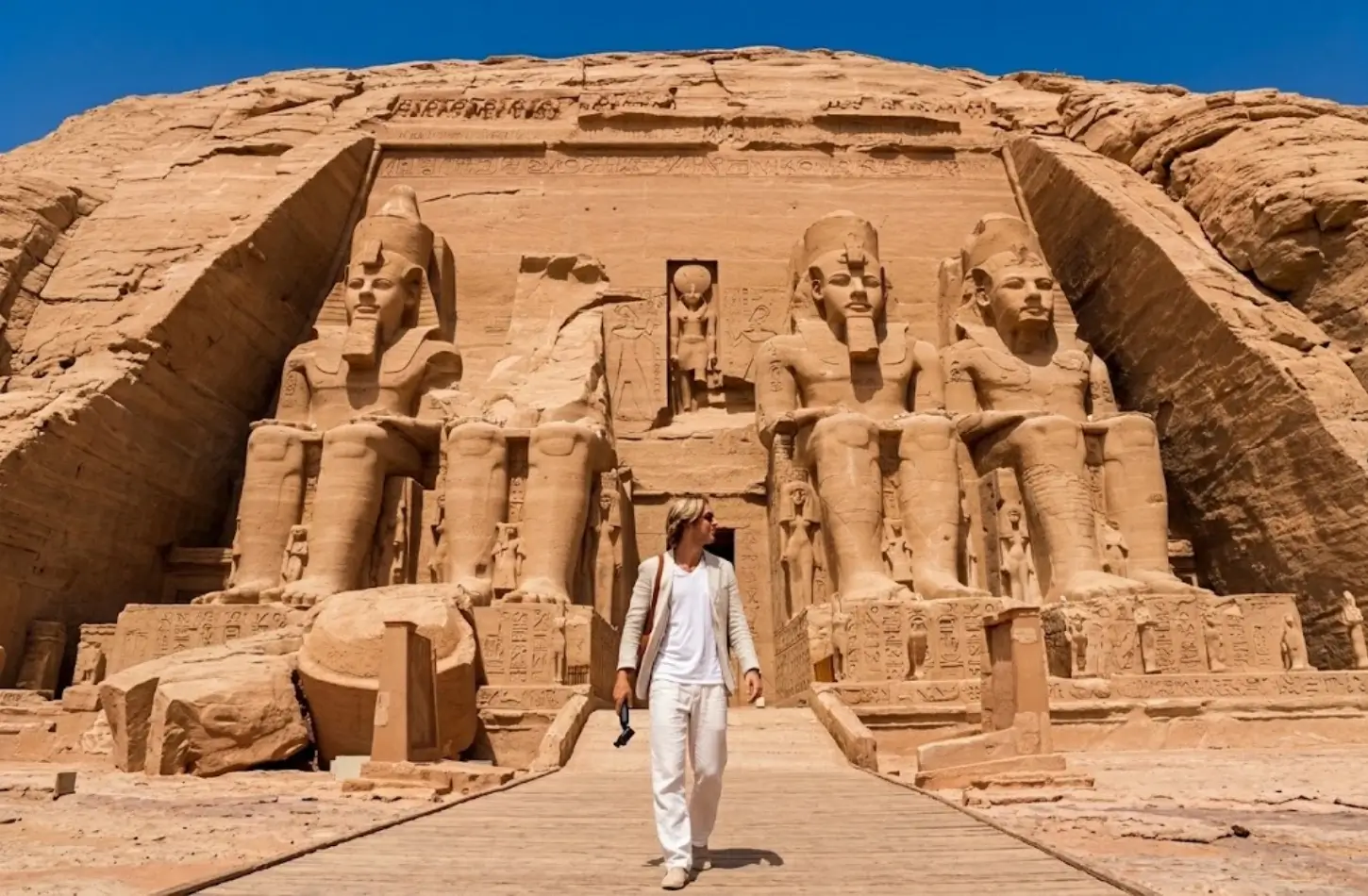
Aswan is Egypt’s warmest Nile city in winter, which makes it ideal for a felucca sail, the Philae Temple and the early-morning journey to Abu Simbel. Our Aswan tours cover the highlights, and our guide on where to stay in Aswan helps you pick the right base.
The Red Sea in Hurghada
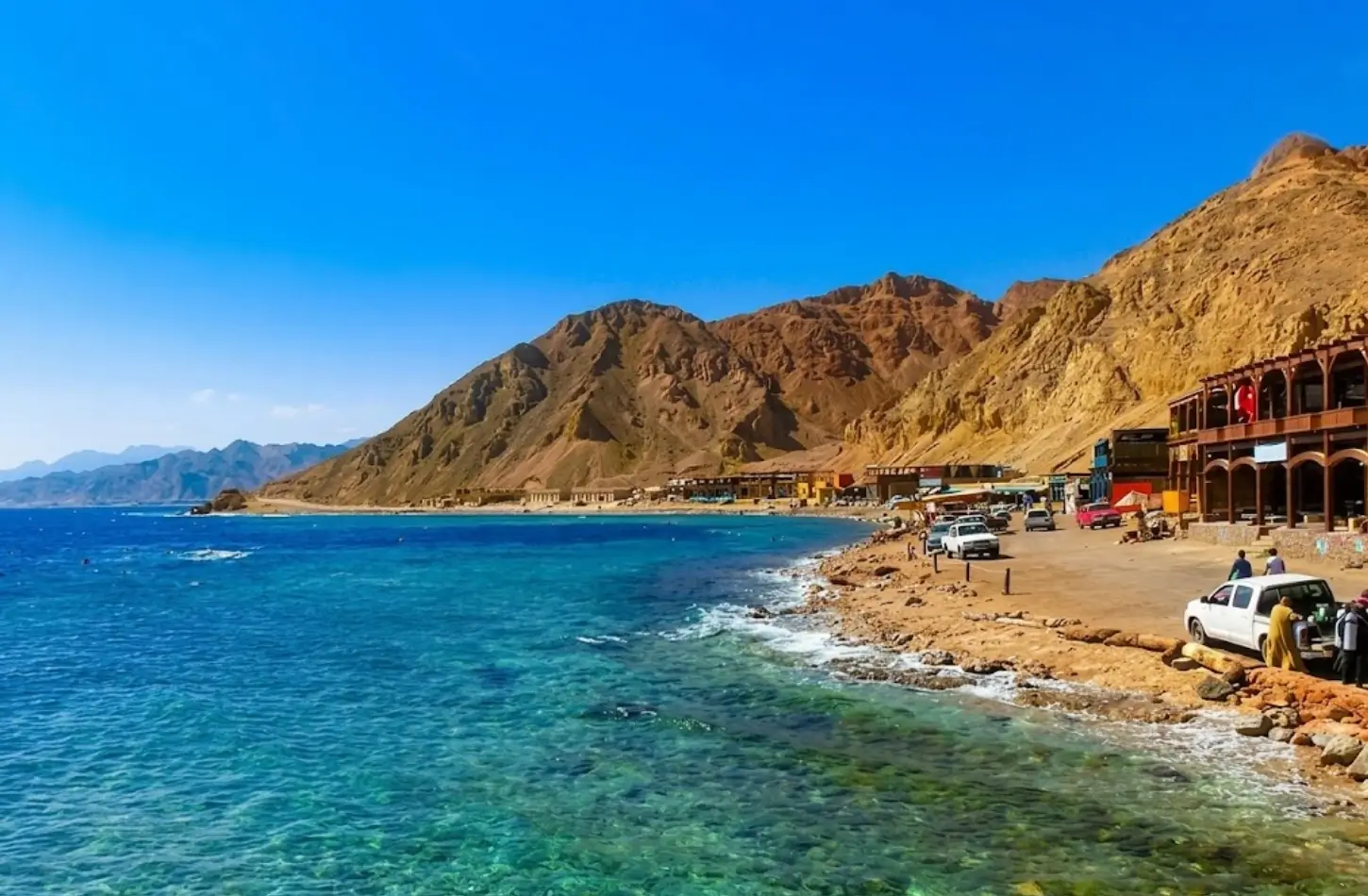
The water is cool at about 21–23°C, so swimming is for the hardy, but diving in a proper wetsuit, boat trips and spa days work well, and the resorts are quiet and sunny. Our Hurghada tours and our guide to the best beaches in Egypt will help you choose.
Mount Sinai and Siwa Oasis
A sunrise climb of Mount Sinai is spectacular but properly cold, with snow possible near the summit, so bring serious layers. In the Western Desert, Siwa’s days are pleasant and its nights bitterly cold; our Siwa Oasis guide explains how to plan it.
Is Egypt in January Worth It? Pros and Cons
Every month has trade-offs, and an honest look at them helps you decide. On the plus side, the weather is the most comfortable of the year for walking tours, the skies are clear for photography, Nile cruises run at their best, and the biggest attractions are all fully open, including the Grand Egyptian Museum.
You also avoid the fierce heat and the dust that can cloud the air in spring. On the downside, it is high season, so prices are firm and popular sites can be crowded in the first ten days, the Red Sea is too cool for relaxed swimming, and the nights in Luxor, the desert and Sinai are properly cold.
Short daylight hours also mean you have fewer hours of sightseeing than in summer. For most travellers who want culture rather than beaches, the advantages clearly outweigh the drawbacks, which is why Egypt in January remains one of the most popular winter trips in the world.
What to Pack for Egypt in January
Think layers rather than bulk. A light-to-medium jacket handles Cairo evenings, while a warmer fleece or down layer, a scarf and a hat are worth having for dawn balloon flights, desert nights and Mount Sinai.
Pack breathable long-sleeved tops and trousers for daytime, since modest clothing is useful at mosques and temples anyway. Comfortable closed walking shoes matter on the uneven ground at Karnak and Giza, and sunglasses and sunscreen are still essential because the winter sun is strong.
Bring swimwear for heated hotel pools and a spa, and a wetsuit or rental plan if you intend to dive. A small daypack, a refillable bottle and a power bank complete the list for Egypt in January.
A Sample 8-Day Egypt in January Itinerary
This is a realistic shape for a week-plus trip that makes the most of the cool weather:
Day 1–2: Cairo and Giza
Arrive, rest, then spend a full day at the Pyramids, the Sphinx and the Grand Egyptian Museum, finishing with dinner in Islamic Cairo.
Day 3: Fly to Luxor
Take a morning flight, visit Karnak and Luxor Temple in the mild afternoon, and enjoy a river-view dinner.
Day 4: Valley of the Kings and Embarkation
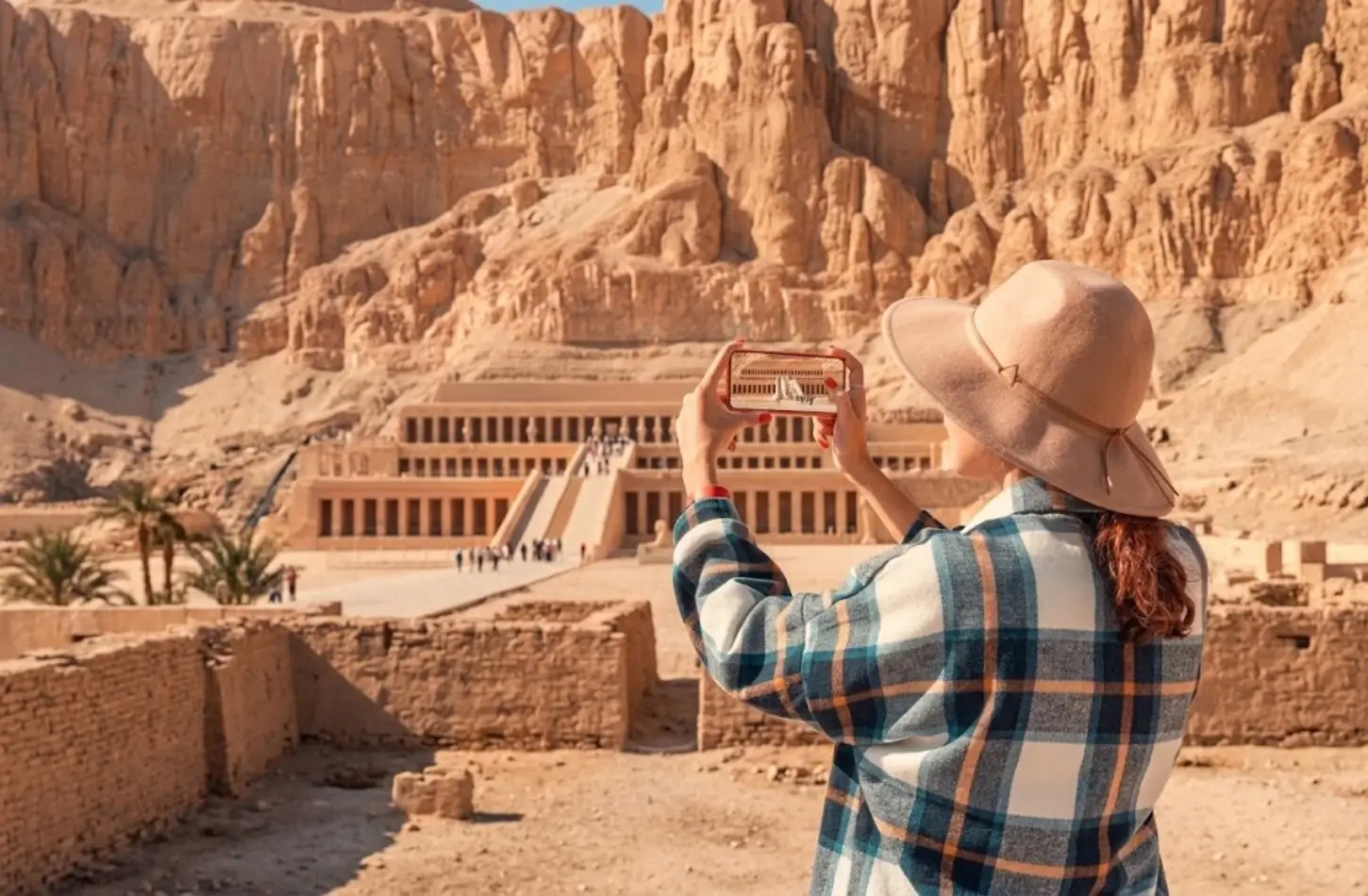
Cross the Nile early for the royal tombs and Hatshepsut’s temple, then board your cruise ship for the journey south.
Day 5: Edfu and Kom Ombo
Visit the Temple of Horus at Edfu and the double temple at Kom Ombo while the ship sails through quiet winter landscapes.
Day 6: Aswan
See Philae Temple and the High Dam, then take a late-afternoon felucca ride as the light turns gold.
Day 7: Abu Simbel
Make an early-morning excursion to Abu Simbel in cool, clear air, then return to Aswan for a relaxed evening.
Day 8: Departure or Red Sea Extension
Fly home or extend to the coast. Travellers short on time often build this same structure into one of our Egypt short breaks, or ask us to adapt it as a tailor-made Egypt tour.
Getting Around Egypt in January
Transport runs smoothly in the cool season. Domestic flights between Cairo, Luxor and Aswan operate on normal schedules and are the quickest way to cover the long distances between the main sites. The overnight sleeper train from Cairo to Luxor and Aswan is a comfortable, budget-friendly alternative if you prefer to travel by land, and private drivers make day trips from Cairo to Alexandria or Saqqara easy.
Because the days are short, it pays to schedule long transfers for the morning or after dark rather than losing precious daylight at the temples. Booking transfers and guides together with your tour keeps connections simple, especially around busy holiday dates, and means someone is waiting for you each time you land.
Practical Tips for Egypt in January
A few habits make the trip smoother. Start sightseeing early, ideally by 8 a.m., so you finish the big outdoor sites before the light fades. Dress in layers you can add and remove, and keep a warm jacket in the car or bus for chilly mornings.
Confirm that your hotel or cruise cabin has reliable heating, particularly in Upper Egypt where nights can be cold despite sunny days. Book timed tickets and key excursions ahead, carry small cash for tips, and keep your phone charged for photos, since the low winter light is some of the best you will see anywhere.
Frequently Asked Questions About Egypt in January
Is Egypt too cold in January?
Not during the day. Most of the country enjoys sunny, mild afternoons, but nights are cold, especially in Luxor, the desert and the Sinai mountains, so layers are essential.
Does it rain in Egypt in January?
Rarely. Alexandria and the Mediterranean coast can have wet, windy spells, and Cairo may see a few light showers, while Luxor and Aswan stay almost entirely dry.
Can you swim in the Red Sea in January?
Yes, but the sea is around 21–23°C, so it feels cool. Many travellers choose heated hotel pools and enjoy diving in a wetsuit instead.
Is January a good month for a Nile cruise?
Yes. It is peak cruising season with comfortable days, clear skies and heated cabins, though you should book early because the best ships fill up.
Is Egypt in January good for families and couples?
Both work well. Cool weather suits children and long sightseeing days, and couples enjoy golden light and romantic evenings.
How far ahead should I book a January trip?
Two to three months is a safe window for cruises, flights and preferred hotels, and earlier if you plan to travel in the first two weeks of the month.
Do I need a visa to visit Egypt in January?
Most nationalities can get an e-visa online in advance or a visa on arrival at the airport. Your passport should be valid for at least six months, and we can guide you through the process when you book.
Final Thoughts
Cool air, clear skies, golden light and some of the world’s greatest monuments make Egypt in January a very easy trip to recommend. Dress in layers, start early, book ahead and aim for the second half of the month if you want the best balance of weather and crowds. When you are ready to turn this guide into a real plan, our team can design your dates, pace and cities as one of our tailor-made Egypt tour.
Ready to Experience Egypt for Yourself?
Let our local experts turn these ideas into an unforgettable journey — guided, seamless, and tailored entirely around you.