
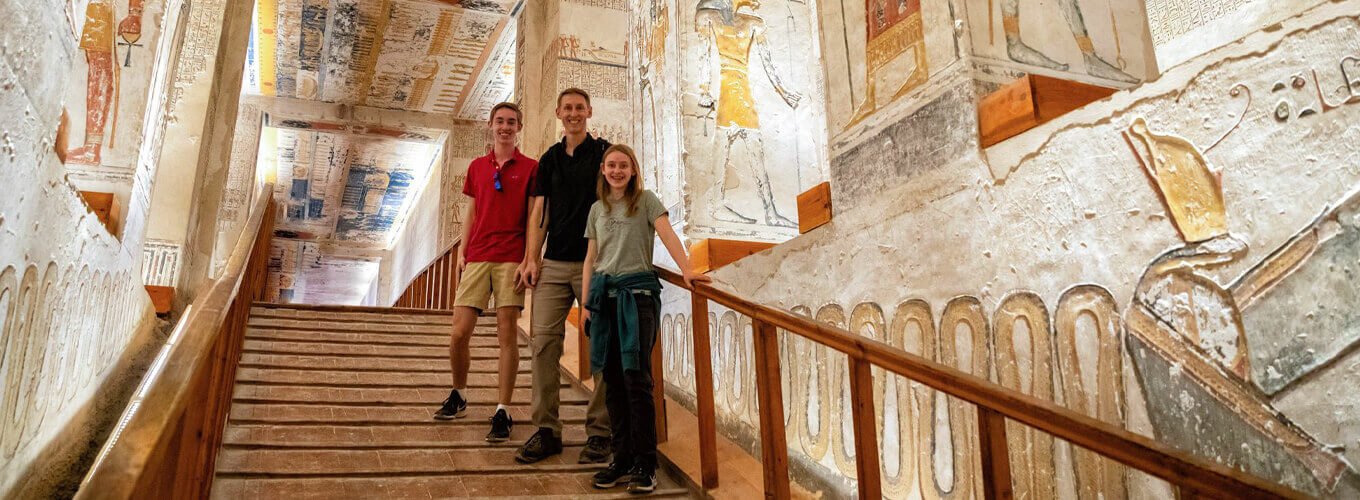
The Valley of the Kings, on the west bank of the Nile near Luxor, is the ancient burial ground of Egypt's New Kingdom pharaohs, including Tutankhamun. This guide to the Valley of the Kings covers its royal tombs, ticket details, and the best times to visit.
Tucked into the sun-baked limestone hills on the west bank of Luxor lies one of the most extraordinary burial grounds ever created, and this guide to the Valley of the Kings is your friendly, first-hand introduction to it. For more than three thousand years, pharaohs, queens and nobles were laid to rest in tombs carved deep into the rock here, their walls glowing with painted scenes meant to guide them into eternity. As a local team that has walked these dusty paths countless times, we want to help you experience the valley the way it deserves to be seen — with context, comfort and a genuine sense of wonder.
Why the Valley of the Kings Still Captures the Imagination
There is something quietly humbling about standing at the mouth of a royal tomb, knowing the last person to seal it did so during the age of Ramesses and Tutankhamun. The valley is not a single monument but a hidden necropolis, chosen precisely because it was remote, defensible and shaped like a natural pyramid.
Unlike the towering pyramids of Giza, these tombs were designed to disappear into the landscape. That secrecy was meant to protect the pharaohs from grave robbers — a plan that, sadly, rarely worked. What survives today are the corridors, chambers and breathtaking artwork that turn a simple visit into a walk through ancient belief itself.
A Brief History Carved in Stone
The valley served as the principal royal cemetery of the New Kingdom, roughly between the 16th and 11th centuries BC. Egypt’s rulers had abandoned the pyramid model, which had become a beacon for looters, in favour of concealed rock-cut tombs.
Over the following centuries, dozens of pharaohs were interred here, along with a handful of powerful officials and royal family members. The site sits opposite ancient Thebes, the religious capital of its era, and formed part of a vast funerary landscape that included mortuary temples, workers’ villages and the neighbouring Valley of the Queens.
How Many Tombs Are Hidden in the Valley?
Archaeologists have catalogued more than sixty tombs so far, and excavation is far from over. Each is labelled with a “KV” number — short for Kings’ Valley — assigned roughly in the order it was discovered.
Not every tomb is open to the public, and the rotation changes to protect the fragile paintings from humidity and crowds. On any given day you will typically be able to enter a selection of them, which keeps the experience fresh even for repeat visitors.
The Tombs You Really Shouldn’t Miss
While every tomb tells its own story, a few stand out for their scale, colour or sheer historical weight. If your time is limited, these are the ones we steer our guests towards first.
The Tomb of Tutankhamun (KV62)
Famous less for its size than for the treasure discovered inside, the boy king’s tomb remains a pilgrimage point for travellers. It is surprisingly modest, yet the golden aura of Howard Carter’s 1922 discovery still lingers in the air.
Tutankhamun’s mummy rests here in a climate-controlled case, one of the very few pharaohs still lying in his original resting place. There is usually a separate ticket to enter, and we think it is worth it simply for the story.
The Tomb of Seti I (KV17)
Often described as the finest tomb in the entire valley, Seti I’s burial place plunges deep into the hillside with some of the most exquisite reliefs in Egypt. The ceilings shimmer with astronomical scenes and the corridors feel almost impossibly grand.
The Tomb of Ramesses VI (KV9)
Bright, deep and richly decorated, this tomb rewards anyone willing to walk its full length. The vaulted ceiling depicting the sky goddess Nut arching over the day and night is a genuine highlight.
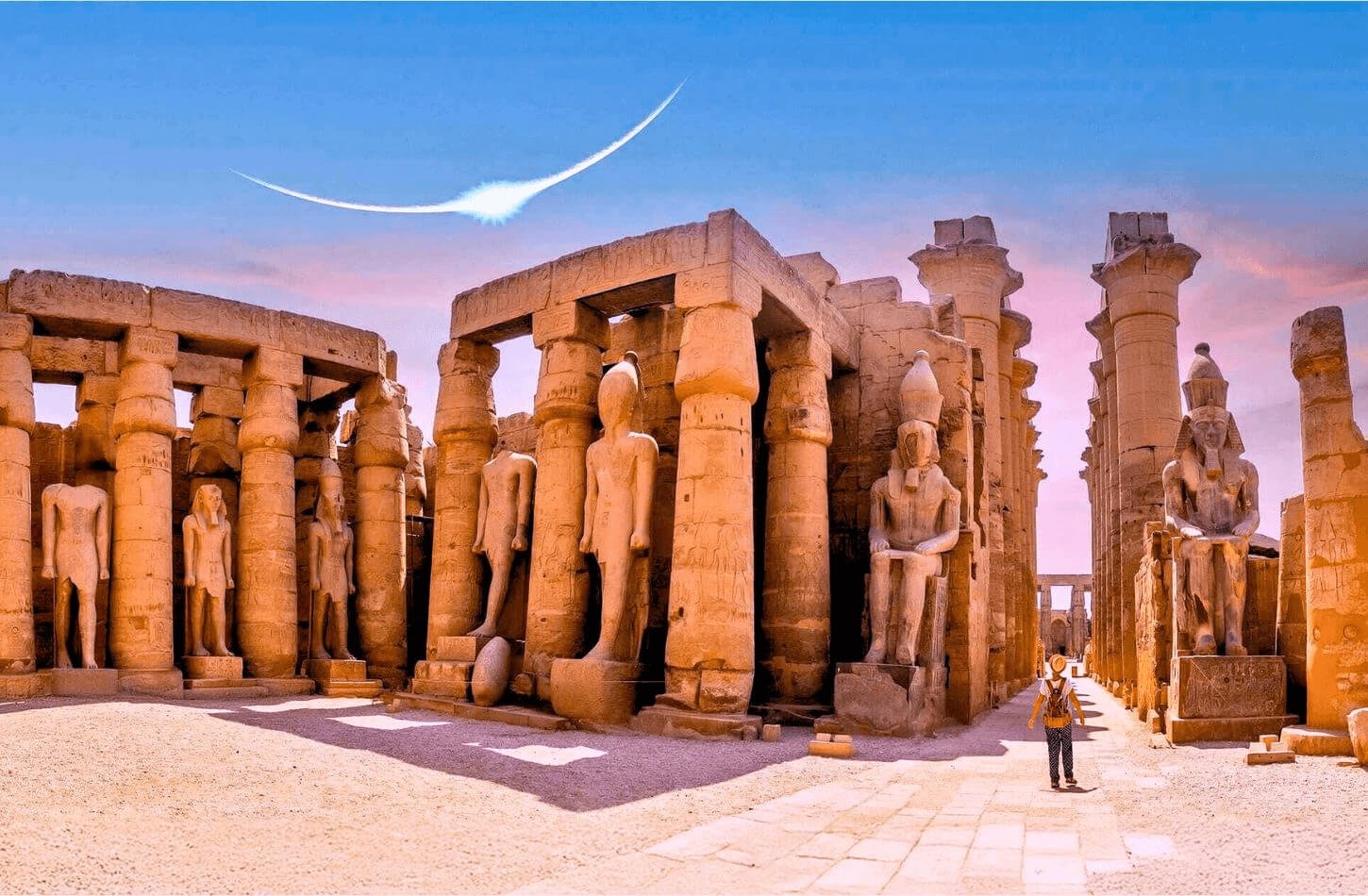
Reading the Walls: What the Paintings Actually Mean
Those vivid images are not decoration for decoration’s sake. They are spiritual instructions — passages from funerary texts such as the Book of the Dead, the Amduat and the Book of Gates — meant to help the pharaoh navigate the perilous journey through the underworld.
You will see the sun god travelling through twelve hours of night, hostile serpents to be overcome, and scenes of judgement where the heart is weighed against a feather. Once you understand the storyline, the walls stop being pretty patterns and start reading like a sacred graphic novel.
Planning Your Visit: Tickets and Practical Basics
A standard entrance ticket to the Valley of the Kings usually grants access to three tombs of your choosing from those open that day. A few of the star attractions — including Tutankhamun, Seti I and Ramesses V/VI — require separate tickets, so budget for those if they are on your list.
Here are the essentials we remind every traveller about before they set off:
- Buy tickets at the main visitor centre before boarding the little tuk-tuk train that shuttles you up to the tombs.
- Photography rules change, so check whether a photo permit is needed and always confirm before raising your camera inside a tomb.
- Carry small cash for tips, extra tickets and cold drinks near the entrance.
- Wear sturdy, closed shoes — the ramps and steps inside can be steep and slippery.
The Best Time of Day and Year to Go
The valley bakes. It sits in a natural bowl of rock that traps and radiates heat, so timing matters more here than at almost any other site in Egypt.
Aim to arrive at opening time, ideally just after sunrise, when the light is soft, the crowds are thin and the temperature is still bearable. From roughly October to April the weather is glorious, while the summer months demand an early start, plenty of water and a slower pace.
Getting There from Luxor and Beyond
The valley lies on Luxor’s west bank, a short drive from the Nile crossing. Most visitors base themselves in the city and make a half-day or full-day excursion across the river.
If you are still shaping your itinerary, our range of Luxor tours pairs the valley with other west bank treasures so you never waste a moment sorting logistics. Many travellers also arrive by river, and joining one of our Egypt Nile cruises is a wonderfully relaxed way to reach Luxor while soaking up the scenery in between.
What Else to See on the West Bank
The Valley of the Kings is the headline act, but the surrounding area is packed with sights that deserve at least a few hours of your attention. Bundling them together makes for a rich, rewarding day.
- The Temple of Hatshepsut — a dramatic, terraced mortuary temple built into the cliffs at Deir el-Bahari.
- The Colossi of Memnon — two towering seated statues that have guarded the plain for over three millennia.
- The Valley of the Queens — home to the exquisite tomb of Nefertari, often called the Sistine Chapel of ancient Egypt.
- The Ramesseum and Medinet Habu — vast mortuary temples that see fewer crowds but reward the curious.
Guided Tour or Independent Visit?
You can absolutely explore the valley on your own, ticket in hand, and many travellers do. But we will be honest with you: the tombs give up their secrets far more generously with a knowledgeable guide beside you.
A good Egyptologist turns a row of painted figures into a living story of gods, kingship and the afterlife. Guides are not permitted to lecture inside the tombs themselves, so the best ones brief you thoroughly beforehand — something our team has refined over many years of leading these visits.
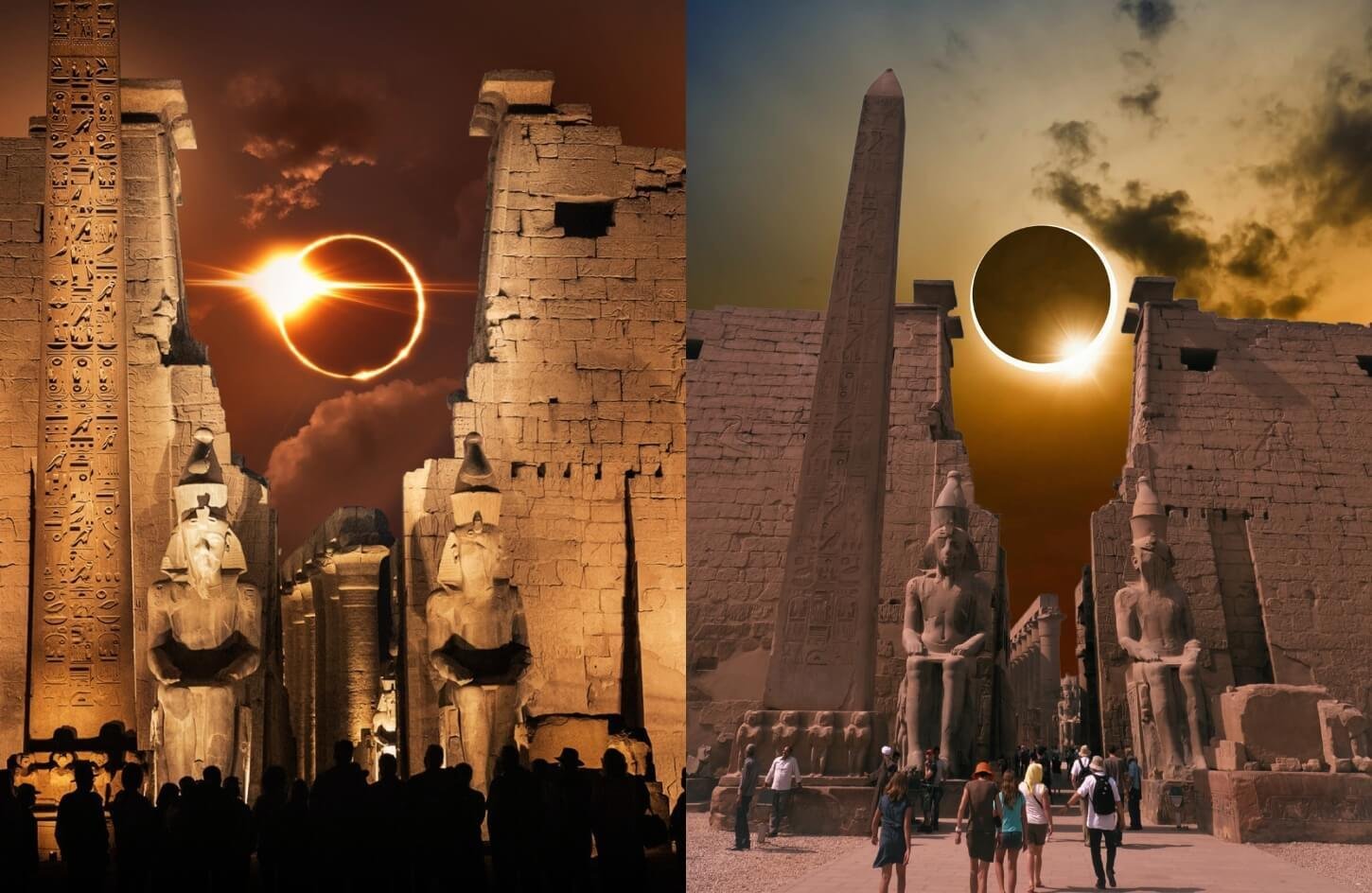
Photography, Etiquette and Preserving the Tombs
The paintings you admire have survived thousands of years, and the biggest threats to them now are moisture, touch and flash. Please never lean on the walls or trail your fingers along the reliefs, however tempting it may be.
Flash photography is banned because it accelerates fading of the pigments. Speaking softly, moving steadily and following your guide’s cues all help protect this fragile heritage for the travellers who will come after you.
Accessibility and Comfort Inside the Valley
Some tombs involve long descending ramps and staircases, while others are relatively shallow and easy to reach. If mobility is a concern, let us know in advance and we will select tombs that suit your comfort level.
There is shade near the visitor centre and a small train that spares you the walk uphill, but bring a hat, sunglasses and sunscreen regardless. The desert offers little mercy to the unprepared.
Fitting the Valley into a Wider Egypt Trip
Few people fly all the way to Egypt just for one valley, however magnificent. The joy of this country is how easily the ancient south connects to the buzzing capital and the serene southern reaches of the Nile.
Many of our guests pair Luxor with the temples and islands of Aswan — our Aswan tours make a natural companion to the west bank — before flying north to explore the pyramids and museums on our Cairo tours. If you would rather have every detail arranged around your own pace and interests, our tailor-made Egypt tours let us build the whole journey around you.
Common Mistakes First-Time Visitors Make
Over the years we have watched the same avoidable slip-ups deflate what should be a magical morning. A little foresight goes a long way here.
- Arriving in the midday heat and running out of energy before reaching the best tombs.
- Skipping the premium tombs to save a little money, then regretting it once home.
- Forgetting water and cash, both of which are precious once you are up among the cliffs.
- Rushing through without understanding the artwork, which reduces a profound site to a quick photo stop.
How Much Time Should You Set Aside?
To do the Valley of the Kings justice, allow at least two to three hours on site, and ideally half a day when you factor in travel and neighbouring temples. Trying to squeeze it into a rushed hour is a false economy.
If you are short on time overall, one of our well-paced Egypt day trips can capture the essentials without the stress, while longer Egypt travel packages weave the valley into a fuller, unhurried adventure across the country.
Little-Known Facts to Impress Your Travel Companions
Part of the fun of this place is the trivia that brings the stones to life. Drop a few of these into conversation and watch your fellow travellers lean in.
The workers who built the tombs lived in a purpose-built village called Deir el-Medina, and they left behind astonishingly detailed records of daily life, disputes and even the first documented labour strike in history. Meanwhile, the valley’s most famous discovery — Tutankhamun’s near-intact tomb — was found largely by luck, hidden beneath rubble from a later tomb’s construction.
Final Thoughts Before You Go
The Valley of the Kings is not simply a collection of old tombs; it is a doorway into how the ancient Egyptians understood life, death and eternity. Walk it slowly, look up at the star-strewn ceilings, and let the quiet grandeur of the place settle over you.
Whenever you are ready to turn this guide to the Valley of the Kings into a real journey, our local team at Daily Pyramids Tours would love to help you plan it. Explore our Luxor and Nile experiences, or simply reach out and let us craft an Egypt adventure that fits you perfectly — the pharaohs are waiting.
Ready to Experience Egypt for Yourself?
Let our local experts turn these ideas into an unforgettable journey — guided, seamless, and tailored entirely around you.