
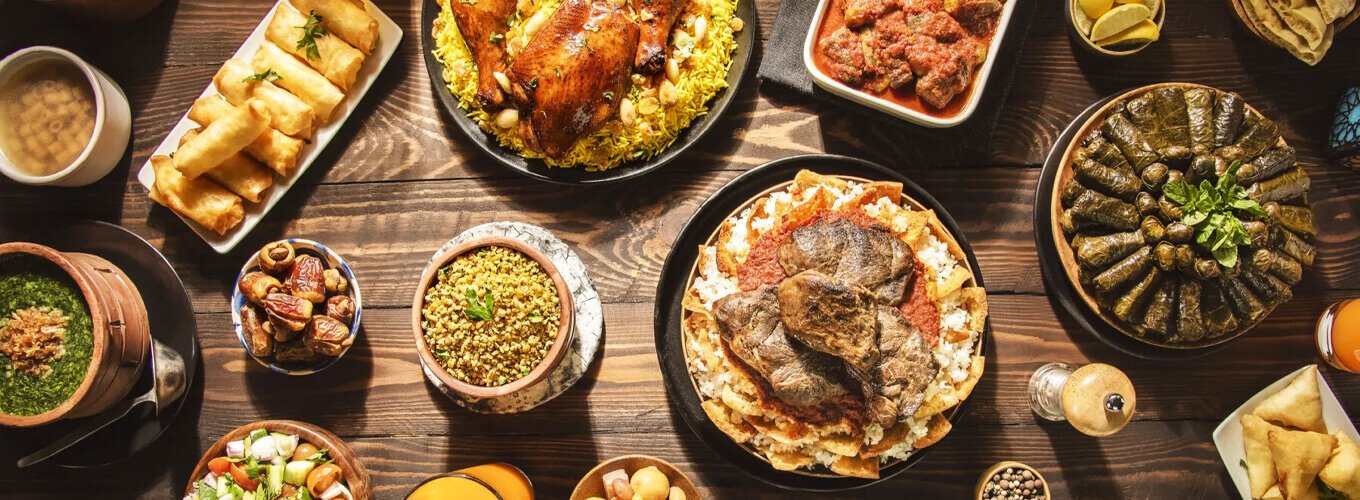
Traditional Egyptian food to try includes koshari, ful medames, ta'ameya, molokhia, and mahshi, alongside grilled kofta, shawarma, and sweet treats like kunafa and basbousa. These hearty, spice-rich dishes blend ancient, Mediterranean, and Middle Eastern flavors that define Egypt's everyday cuisine and beloved street food.
Ask any Egyptian what they love most about home, and food will land somewhere near the top of the list, right alongside family and the Nile. From smoky street stalls in Cairo to quiet village kitchens along the river, the flavours here are generous, unhurried and deeply satisfying. If you are hunting for the best Traditional Egyptian Food to try on your next trip, this guide walks you through twelve dishes that locals actually eat, where to find them, and how to order like you belong.
Why Egyptian Cuisine Deserves a Spot on Your Itinerary
Egyptian cooking is a beautiful collision of history. Pharaonic staples like bread and beans sit beside Ottoman-era stuffed vegetables, Levantine grills and a splash of Mediterranean brightness from the coast. The result is comfort food with thousands of years of pedigree.
What surprises most first-time visitors is how affordable and vegetable-forward much of it is. You do not need a fancy restaurant to eat brilliantly here. Some of the finest bites come from a paper cone handed over a crowded counter, eaten standing up while the city rushes past.
Below, we move roughly from breakfast to street snacks to hearty mains and sweets, so you can picture how a full day of eating in Egypt actually unfolds.
1. Ful Medames: The Breakfast That Built a Nation
If there is one dish that defines the Egyptian morning, it is ful medames, a slow-simmered stew of fava beans that has been eaten in the Nile Valley since antiquity. Beans are cooked overnight until velvety, then mashed at the table with olive oil, lemon, cumin and garlic.
Every family has its own ritual for dressing it. Some add chopped tomato and green chilli, others crumble in a boiled egg or a spoonful of tahini. You scoop it all up with warm baladi bread, never a fork.
Order a plate at a neighbourhood foul cart before an early start to the Pyramids and you will understand why locals call it the fuel that gets Cairo moving.
2. Ta’ameya: Egypt’s Greener, Fluffier Falafel
Falafel may be famous across the Middle East, but Egyptians will happily argue they invented it, and their version is distinct. Ta’ameya is made from split fava beans rather than chickpeas, which gives it a strikingly green interior and an almost cloud-like softness inside its crisp, sesame-flecked shell.
You will smell it before you see it, sizzling in wide pans on street corners across the country. Eaten hot in a pocket of bread with tahini, tomato and a tangle of pickles, it is one of the most satisfying vegetarian street snacks on earth.
- Best time: breakfast or a mid-afternoon pick-me-up
- Watch for: the coriander-and-cumin scent that means a fresh batch just hit the oil
- Pair it with: a glass of sweet hibiscus or fresh sugarcane juice
3. Koshari: The National Dish in a Bowl
No list of traditional Egyptian food to try is complete without koshari, the country’s beloved carbohydrate symphony. It sounds unlikely on paper: rice, macaroni, vermicelli and lentils layered together, crowned with spiced chickpeas, a zingy tomato sauce and a heap of golden fried onions.
In practice it is pure comfort, and the finishing touches make it sing. A splash of garlicky daqqa vinegar and a spoon of chilli shatta lift the whole bowl from filling to unforgettable.
Koshari is cheap, entirely vegan and utterly ubiquitous. Dedicated koshari shops turn it out with theatrical speed, and a large bowl will keep you fuelled through a long afternoon exploring Islamic Cairo. It is the dish I recommend first to anyone joining our Cairo tours, because it captures the city’s energy in a single spoonful.
4. Molokhia: The Green Soup Locals Grow Up On
Molokhia divides visitors more than any other dish, and that is exactly why you should try it. Made from finely chopped jute mallow leaves, it cooks down into a glossy, herbaceous soup with a texture that is famously silky, some would say slippery.
The magic is in the ta’leya, a fragrant hit of garlic and coriander fried in ghee and stirred through at the last moment. Served over rice with roast chicken, rabbit or a little beef, it is the ultimate homestyle Sunday lunch.
Give it two or three spoonfuls before deciding. Most travellers who resist at first end up ordering it again before they leave.
5. Hamam Mahshi: Stuffed Pigeon for a Special Occasion
Stuffed pigeon is a genuine Egyptian delicacy, and one that rewards the adventurous eater. The bird is filled with freekeh, green cracked wheat with a nutty, smoky flavour, or seasoned rice, then roasted or grilled until the skin turns burnished and crisp.
It is fiddly to eat, with small bones to navigate, but the reward is rich, gamey meat perfumed by the aromatic stuffing. You will find it at celebration tables and at riverside restaurants, particularly in the Delta and along the Nile.
Order it when you want to eat the way Egyptians do for weddings and feasts, rather than the way they eat on a Tuesday.
6. Mahshi: Vegetables Stuffed With Love
Mahshi is the umbrella term for any vegetable lovingly stuffed with a fragrant rice-and-herb mixture, and it is the pride of every Egyptian grandmother. Vine leaves, courgettes, aubergines, peppers and cabbage all get the treatment, simmered slowly until tender in a tomato-scented broth.
The filling is where regional and family differences shine, laced with dill, parsley, coriander, mint and sometimes minced meat. Served warm or at room temperature, a mixed platter of mahshi is a masterclass in patience and generosity.
How to Enjoy It Like a Local
Eat it as part of a spread rather than a solo main, tearing off bread to mop the tomato juices. A dollop of cool, garlicky yoghurt on the side cuts through the richness beautifully.
7. Fattah: A Feast Layered With Meaning
Fattah is celebration food, traditionally served at Eid, weddings and to welcome a new baby. It is built in dramatic layers: crisp toasted bread on the bottom, fluffy rice in the middle, tender chunks of slow-cooked beef or lamb on top, all bound together by a punchy tomato-and-vinegar-garlic sauce.
The dish has deep roots stretching back to ancient offerings, and eating it still feels ceremonial. Rich, hearty and unapologetically indulgent, fattah is not everyday fare, which is precisely what makes it special.
If a local family invites you to share fattah, say yes without hesitation. It is one of the warmest gestures of hospitality you will encounter.
8. Grilled Kofta and Kebab: The Smell of an Egyptian Evening
As the sun drops, the charcoal grills fire up and cities fill with the irresistible scent of kofta and kebab. Kofta is spiced minced meat moulded onto skewers, while kebab is chunks of marinated lamb, both cooked over glowing coals until charred outside and juicy within.
They arrive with grilled tomatoes, onions, tahini, and stacks of warm bread, meant for building your own little wraps. A squeeze of lemon and a scatter of parsley is all the embellishment they need.
- Look for: a busy grill with a queue, a sign the meat is turning over fast and fresh
- Order alongside: a plate of tahina and baba ghanoush to start
- Finish with: mint tea to aid digestion, as the locals do
9. Feseekh and the Coastal Fish Tradition
Egypt’s love of fish runs deepest along its coasts and lakes, and nowhere is the tradition more vivid than in seaside towns. Fresh catch is grilled simply with garlic, cumin and lemon, or fried and served with tahini and rice, letting the quality of the fish speak for itself.
The most notorious dish is feseekh, a fermented, salted mullet eaten during the spring Sham El-Nessim festival. It is an acquired taste and best sampled from a trusted, reputable source rather than experimented with casually.
For a gentler introduction to Egyptian seafood, the Red Sea resorts serve superb grilled catch. It is one of the delicious rewards after a day of snorkelling on our Hurghada tours or diving trips out of Sharm El-Sheikh.

10. Aish Baladi: The Bread That Anchors Every Meal
You cannot understand Egyptian food without understanding its bread. Aish baladi, a puffy wholemeal flatbread baked in searing ovens, is so essential that the word for bread, aish, literally means life.
It arrives with almost every meal and doubles as plate, spoon and napkin. Watch a baker slide dozens of rounds into the oven and pull them out ballooned and blistered, and you are witnessing a craft largely unchanged for millennia.
Tear it, scoop with it, wrap with it. Learning to eat with bread instead of cutlery is a small skill that instantly makes you feel more at home at the table.
11. Sayadeya and Nubian Flavours of the South
Travel south towards Aswan and the food subtly shifts, picking up Nubian and Sudanese influences that set it apart from Cairo’s kitchens. Sayadeya, a fragrant fisherman’s dish of spiced rice cooked with caramelised onions and fish, is a Nile and coastal favourite worth seeking out.
Nubian cooking leans on warm spices, dried okra, hearty stews and a famously gracious style of hospitality. Sharing a meal in a colourful Nubian home, with the river glinting just outside, is a highlight for many travellers.
The southern towns are among the loveliest places to slow down and eat well, whether you explore them on our Aswan tours or watch the scenery drift by on a leisurely Nile cruise.
12. Om Ali: Egypt’s Warm Hug of a Dessert
Save room, because Egyptian sweets are a chapter of their own, and om ali is the perfect finale. This warm bread pudding is made with layers of pastry soaked in sweet milk, studded with nuts, raisins and coconut, then baked until golden and bubbling.
Legend ties its origins to a medieval royal court intrigue, which only adds to the fun of ordering it. Comforting, creamy and best eaten piping hot, it is the dessert I steer every guest towards.
A Few More Sweets Worth Chasing
- Basbousa: a syrup-soaked semolina cake, dense and honeyed
- Konafa: crisp shredded pastry over sweet cream or nuts
- Roz bel laban: silky rice pudding dusted with cinnamon or pistachio
Drinks to Wash It All Down
Egyptian meals come with their own liquid traditions, and they are half the pleasure. Deep-red hibiscus tea, known as karkade, is served hot in winter and iced in summer, tart and refreshing. Sugarcane juice, pressed to order on the street, is bright green and impossibly good in the heat.
For something warming, there is sahlab, a creamy hot drink topped with nuts and cinnamon, and of course endless glasses of sweet mint tea and thick, cardamom-scented Turkish coffee. Ordering coffee mazbout gets you a medium sweetness, a handy phrase to have ready.
Tips for Eating Well and Safely in Egypt
Street food is one of the great joys of travelling here, and a little common sense lets you enjoy it fully. Choose busy stalls with high turnover, favour food that is cooked hot and fresh in front of you, and stick to bottled or filtered water.
Ease into rich dishes gradually, keep some rehydration salts handy just in case, and do not be shy about pointing at what looks good. Vendors are usually delighted to see a visitor taking an interest in their cooking.
- Vegetarians rejoice: ful, ta’ameya, koshari and mahshi make eating meat-free effortless
- Learn two words: lazeez (delicious) and shukran (thank you) go a long way
- Go with a local: the best spots rarely have English signs or online reviews
Where Food and Travel Come Together
The tastiest way to explore Egypt is to build your journey around its regions and their kitchens. Cairo delivers the classic street-food blitz, Luxor and Aswan bring southern warmth and river-fresh flavours, and the coast serves seafood straight from the water.
You can weave these experiences into a wider adventure with our Egypt travel packages, or shape something entirely your own through a tailor-made itinerary that pairs the great monuments with the great meals. Even a single food-focused day trip can transform how you understand this country.
Final Thoughts: Come Hungry, Leave Happy
Egyptian food is generous, ancient and endlessly welcoming, much like the people who cook it. From that first spoon of ful at dawn to a warm bowl of om ali after dark, these twelve dishes are the delicious thread that ties a trip together. Treat this list of traditional Egyptian food to try as your starting point, then let curiosity and a rumbling stomach lead you the rest of the way.
When you are ready to taste it all for yourself, the team at Daily Pyramids Tours would love to help. Explore our destinations, tell us what excites your palate, and let us craft a journey where every temple visit ends with an unforgettable meal. Your table in Egypt is waiting.
Ready to Experience Egypt for Yourself?
Let our local experts turn these ideas into an unforgettable journey — guided, seamless, and tailored entirely around you.