
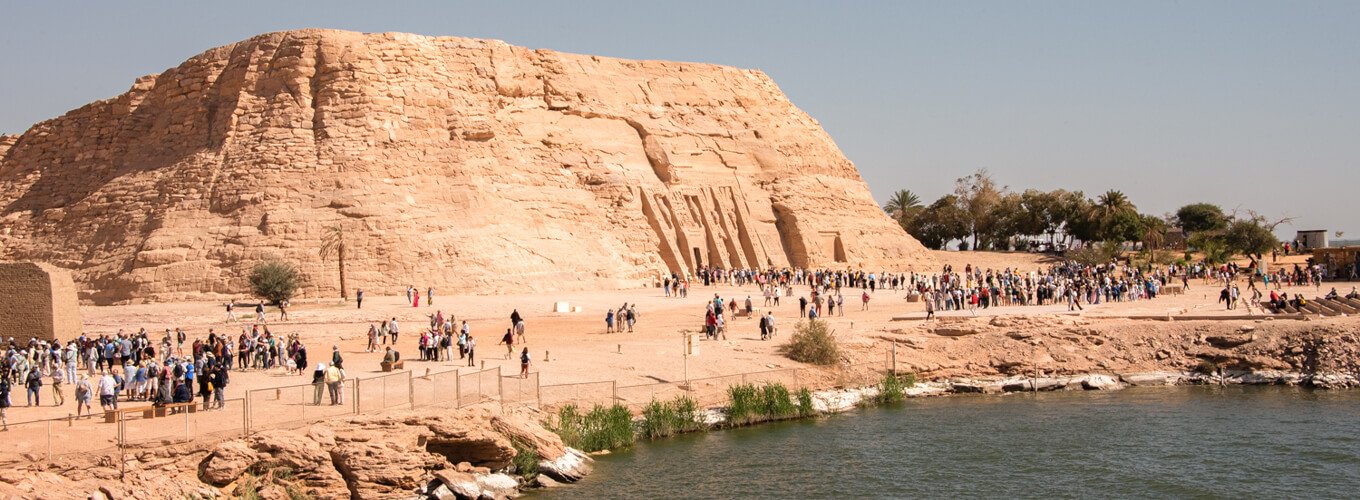
Ancient Egyptian temples were monumental stone structures built to honor gods and deified pharaohs. Among the most famous are Karnak, Luxor, Abu Simbel, Philae, Edfu, Kom Ombo, Hatshepsut's temple, and Dendera, spanning thousands of years along the Nile and remaining Egypt's most impressive surviving monuments.
Few things prepare you for the moment you first stand beneath a towering sandstone column carved more than three thousand years ago. The ancient Egyptian temples are among the most breathtaking monuments humanity has ever built, designed not merely as places of worship but as earthly homes for the gods themselves. As a local guide who has walked these hallowed courtyards countless times, I want to share the most remarkable of them with you, along with the stories and facts that bring their weathered stones back to life.
What Made an Egyptian Temple More Than a Building
To the ancient Egyptians, a temple was a living machine that kept the universe in balance. Priests performed daily rituals to feed and clothe the resident deity, believing that the harmony of the cosmos depended on it. The public rarely entered the inner sanctuaries; those dim, sacred chambers were reserved for the pharaoh and the priesthood.
Most temples followed a deliberate journey from light into darkness. You pass through a monumental gateway, cross an open sunlit courtyard, move into a forest of columns, and finally reach the shadowy holy of holies where the god’s statue once stood.
Karnak: The Temple That Grew for Two Thousand Years
If you visit only one temple in Egypt, make it Karnak in Luxor. This is not a single structure but a vast complex that successive pharaohs expanded across roughly two millennia, each ruler adding pylons, obelisks, and shrines to outshine their predecessors.
The undisputed showstopper is the Great Hypostyle Hall, a dense forest of 134 giant columns, the tallest soaring around 21 metres. Walking among them, you feel wonderfully small. Karnak was dedicated chiefly to Amun-Ra, the king of the gods, alongside his wife Mut and their son Khonsu.
Exploring Karnak properly takes hours, so I always recommend building it into well-planned Luxor tours that give the site the time it deserves.
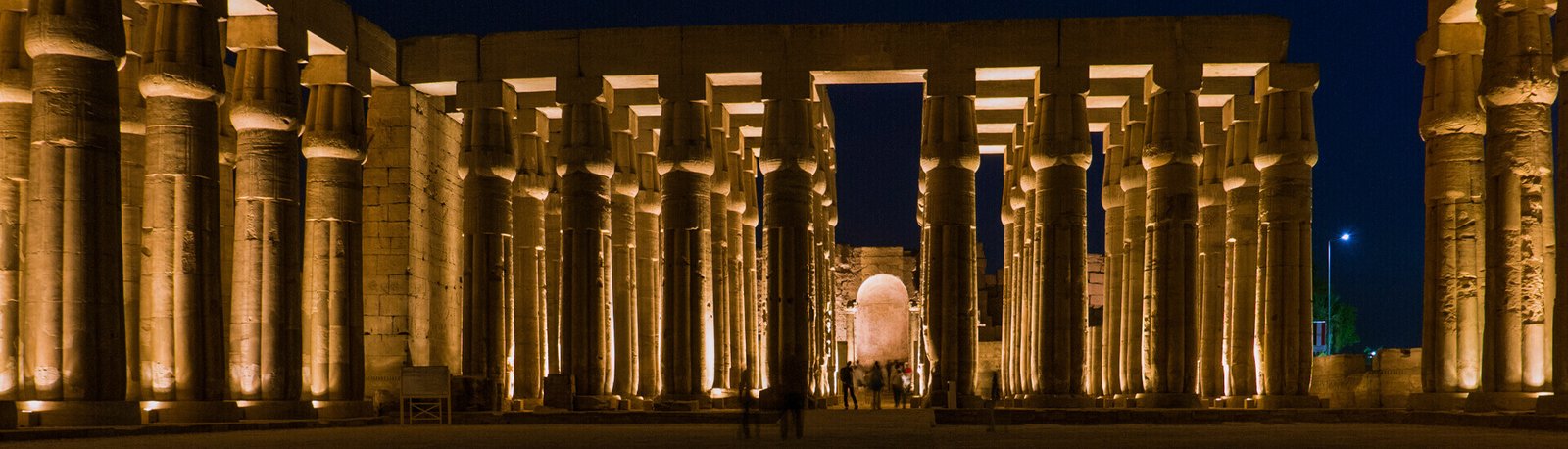
Luxor Temple: A Sanctuary Lit by Torch and Moonlight
Just down the road from Karnak sits Luxor Temple, once connected to it by a grand avenue lined with hundreds of sphinxes. Unlike most temples honouring a single deity, this one celebrated the rejuvenation of kingship itself, hosting the annual Opet Festival when Amun’s statue travelled here in glittering procession.
Luxor Temple is magical after dark, when warm lighting throws the colossal statues of Ramesses II and the surviving obelisk into dramatic relief. It is also a rare place where you can read layers of history in one glance, including a Roman chapel and a working mosque built atop the ancient stones.
The Ancient Egyptian Temples of the Nile’s Southern Reaches
Some of the finest temples lie south of Luxor, and the classic way to see them is by sailing between the sights. A relaxed Nile cruise links these treasures the same way ancient travellers approached them, from the water.
Edfu: The Best-Preserved Temple in Egypt
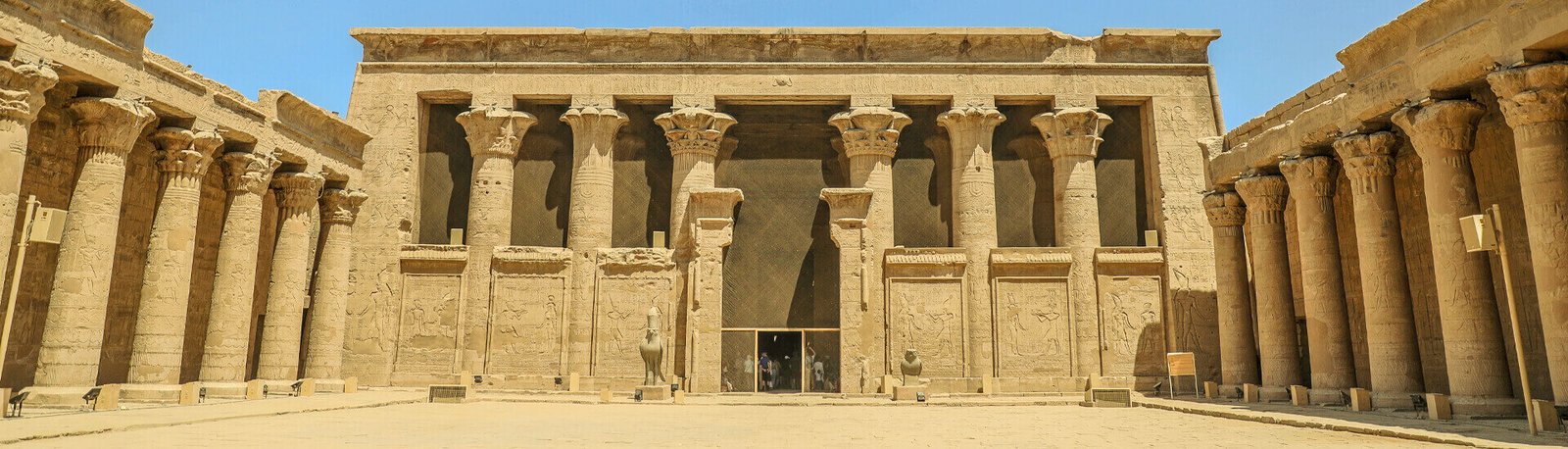
Dedicated to the falcon-god Horus, the Temple of Edfu is astonishingly intact, its roof, walls, and inner chambers largely complete. Because it was buried under desert sand and silt for centuries, its detailed reliefs survived beautifully, offering one of the clearest windows into temple ritual anywhere in the country.
Kom Ombo: A Temple of Two Gods
Kom Ombo is unusual because it is perfectly symmetrical, split down the middle to honour two deities at once: the crocodile-god Sobek and the falcon-headed Horus the Elder. A small on-site museum displays mummified crocodiles once revered here, a memorable and slightly eerie sight.
Abu Simbel: The Colossi Carved to Command the Frontier
Deep in the far south stand the twin temples of Abu Simbel, carved directly into a mountainside by Ramesses II. Four enormous seated statues of the pharaoh, each about 20 metres tall, guard the entrance and were designed to awe anyone approaching Egypt’s southern border.
Here are a few facts that never fail to impress visitors:
- Twice a year, sunlight penetrates the entire temple to illuminate the statues in the innermost sanctuary.
- The smaller neighbouring temple honours Ramesses’ beloved queen, Nefertari.
- In the 1960s the entire complex was cut into blocks and moved uphill to save it from the rising waters of Lake Nasser, an extraordinary feat of modern engineering.
Reaching Abu Simbel takes effort, so many travellers pair it with Aswan tours that also take in the graceful island temple of Philae.
Philae: The Island Temple Rescued from the Water
The Temple of Philae, dedicated to the goddess Isis, is one of the most romantic settings in all of Egypt. Like Abu Simbel, it was relocated stone by stone to a nearby island to escape flooding. Approaching it by boat, with its columns mirrored in the calm water, is a moment travellers rarely forget.
Hatshepsut’s Terraces: A Temple Unlike Any Other
On the west bank of Luxor, the mortuary temple of Queen Hatshepsut rises in three graceful colonnaded terraces set against sheer desert cliffs. Its clean, almost modern lines make it look startlingly contemporary, yet it dates back some 3,500 years to one of Egypt’s few female pharaohs.
The reliefs here record Hatshepsut’s famous trading expedition to the fabled land of Punt, showing exotic goods, animals, and even the reception of her envoys. It is a wonderful reminder that these walls were also history books.
The Temples Near Cairo and the Delta
While the greatest temples cluster in the south, the north has its own treasures. Around the capital you can explore the wider world of ancient sacred architecture, from the sun temples of Heliopolis to the monuments woven into Cairo tours alongside the Pyramids of Giza and the Egyptian Museum.
The Mediterranean city of Alexandria, meanwhile, blends Egyptian and Greco-Roman heritage, and its temples, catacombs, and columns tell a fascinating later chapter. A day exploring the coast on one of our Alexandria day tours reveals just how far this civilisation’s religious traditions travelled and evolved.
Reading the Walls: Symbols You Will See Everywhere
Once you learn to spot a few recurring motifs, every temple becomes far richer. Keep an eye out for these across the ancient Egyptian temples you visit:
- The ankh, a looped cross symbolising eternal life, often held by the gods.
- The lotus and papyrus, representing Upper and Lower Egypt, frequently carved as column capitals.
- The winged sun disc, guarding doorways as a symbol of protection and royalty.
- Cartouches, oval rings enclosing the names of pharaohs in hieroglyphs.
Understanding these details is where a knowledgeable guide truly earns their keep, turning beautiful stone into a story you can follow room by room.
Practical Tips for Visiting Egypt’s Temples
A little preparation makes temple days far more comfortable. The sun is intense for most of the year, so I always advise the following simple habits.
- Start early or visit in the late afternoon to dodge both the heat and the crowds.
- Bring water, a hat, sunglasses, and sturdy, comfortable shoes.
- Carry a light scarf, handy for shade and for covering up at religious sites.
- Allow more time than you expect; the great temples reward slow exploration.
If you prefer to see several temples across different cities without the logistical headache, a thoughtfully arranged Egypt travel package stitches everything together, from flights and cruises to expert local guides.
Bringing the Temples to Life With Daily Pyramids Tours
The temples of ancient Egypt are more than ruins; they are open-air scriptures where kings, gods, and everyday priests left their mark for us to read thousands of years later. From the columns of Karnak to the island calm of Philae, each one offers a different doorway into one of history’s most enduring civilisations.
Whenever you feel ready to walk these ancient courtyards for yourself, we would love to help you plan the journey. Explore our range of guided experiences or reach out for a tailor-made Egypt tour, and let the team at Daily Pyramids Tours turn your dream of standing among the temples into an unforgettable reality.
Ready to Experience Egypt for Yourself?
Let our local experts turn these ideas into an unforgettable journey — guided, seamless, and tailored entirely around you.