
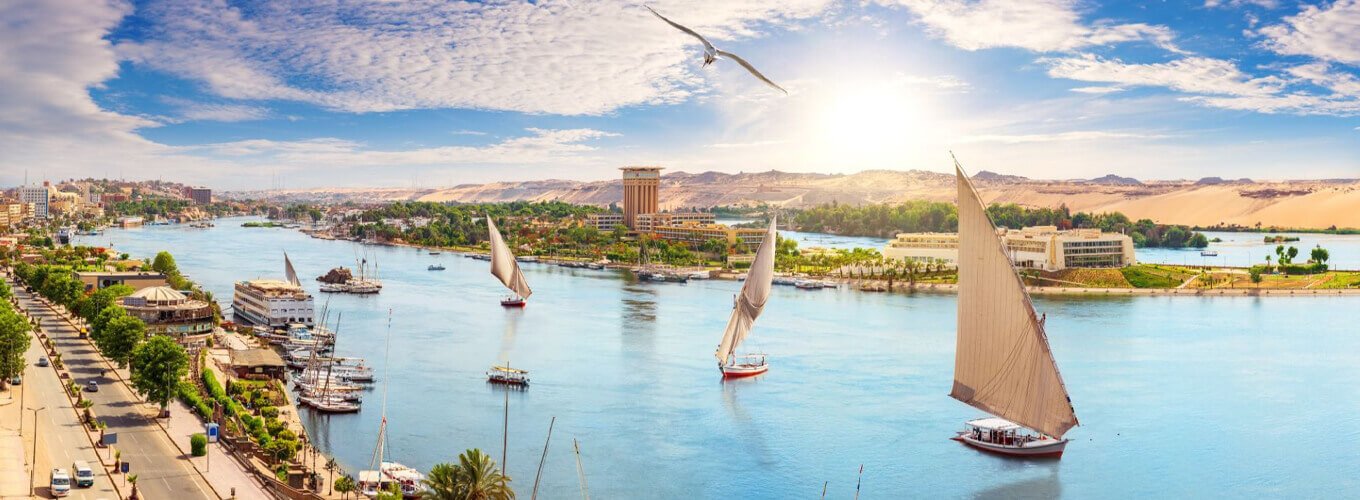
Plan your Egypt tour by starting with three decisions: when to go (October to April offers the coolest weather), how long to stay (10 to 14 days covers the essentials), and which highlights matter most, like the Pyramids, a Nile cruise, and Luxor's temples. Book with a trusted local operator.
If you have ever caught yourself staring at a map of Egypt wondering where to start an Egypt tour, you are in very good company. Almost every traveller feels that same mix of excitement and overwhelm, because this is a country where five thousand years of history, a legendary river, and two glittering seas all compete for your attention. As a local team who has helped thousands of visitors find their footing, our job here is simple: to turn that beautiful chaos into a clear, confident plan you will actually enjoy building.
Why Egypt Feels Overwhelming (and Why That Is a Good Sign)
Egypt packs an extraordinary amount of “must-see” into one destination. In a single trip you can stand beneath the Pyramids of Giza, sail the Nile past palm-fringed villages, dive a coral reef, and wander a temple older than most nations on Earth.
That richness is exactly why the planning feels heavy at first. The trick is not to see everything, but to choose a handful of experiences that fit your time, pace, and curiosity. Once you accept that you cannot do it all in one visit, the whole plan gets lighter and far more fun.
Where to Start Your Egypt Tour: Begin With the Big Question
Before you look at a single hotel or temple, answer one question: what kind of trip do you want this to be? Everything else flows from that decision, and it is genuinely the best place to start an Egypt tour.
Some travellers come for the ancient wonders and nothing else. Others want history in the mornings and a beach lounger in the afternoons. A few want the whole spectrum. None of these are wrong, but they lead to very different itineraries.
- History lovers should anchor around Cairo, Luxor, and Aswan.
- Sun and sea seekers will lean towards Hurghada or Sharm El Sheikh.
- The “give me everything” crowd will want a combined classic-and-coast route.
Name your traveller type first, and the map stops feeling like a puzzle and starts feeling like a menu.
How Much Time Do You Really Need?
Time is the single biggest factor shaping your itinerary, so be honest about how many days you truly have on the ground. Jet lag and arrival day always eat into your total more than people expect.
As a rough local guide, here is how the days tend to shake out. These are comfortable estimates, not rigid rules, and a good planner can flex them to your pace.
- 4 to 5 days: Cairo plus a short Nile taster or a quick Luxor visit.
- 7 to 8 days: The classic loop of Cairo, Luxor, and Aswan, ideally with a Nile cruise.
- 10 to 12 days: The classic loop plus the Red Sea or Alexandria.
- Two weeks or more: Room for the deep south, an oasis, or genuine downtime.
If your dates are tight, resist the urge to cram. A relaxed four-day trip beats a frantic seven-day sprint every single time.
Start in Cairo: The Natural Front Door
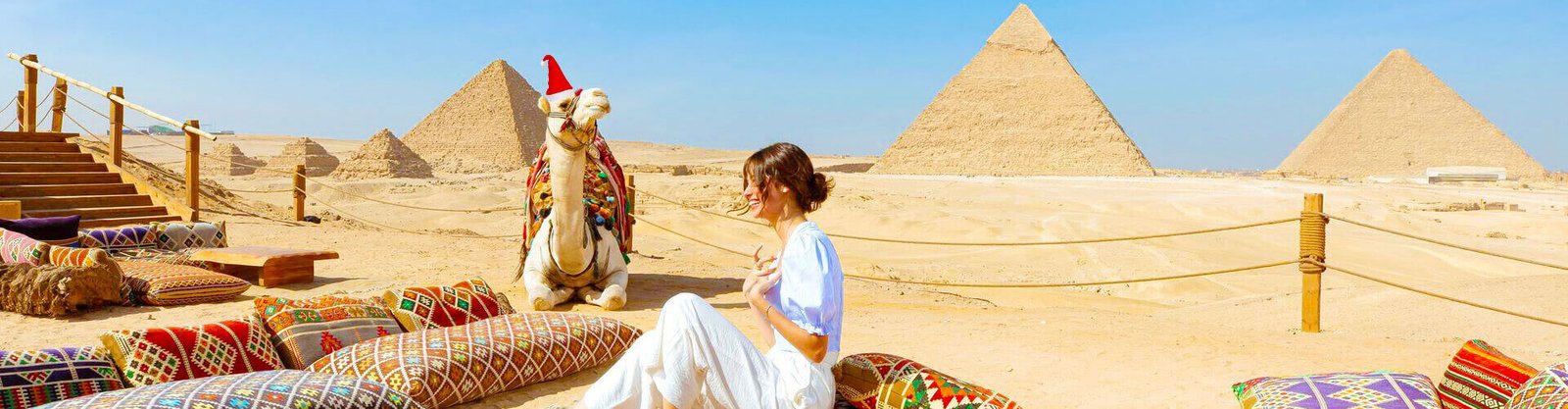
For most first-time visitors, Cairo is the obvious and best opening chapter. It is where the majority of international flights land, and it holds the icons you have pictured your whole life.
The Giza Plateau, with its pyramids and the enigmatic Sphinx, sits on the edge of the city. Add the treasures of the Grand Egyptian Museum, the medieval lanes of Islamic Cairo, and the bustle of Khan el-Khalili bazaar, and you have two or three deeply rewarding days.
Cairo can feel intense, loud, and gloriously alive all at once. Easing in with well-planned Cairo tours lets you meet the city on friendly terms rather than fighting the traffic and crowds alone.
Do Not Skip the Old Capital Nearby
Just south of Cairo lie Saqqara and Memphis, home to the Step Pyramid and Egypt’s earliest capital. They are quieter than Giza and add wonderful depth to your understanding of how pyramid-building evolved.
The Nile Is the Spine of Any Great Itinerary
If Egypt has one organising principle, it is the Nile. Ancient life clustered along its banks, and so do the greatest monuments. Following the river from Luxor to Aswan is the single most rewarding thread you can pull.
A Nile cruise is not just transport between temples; it is one of the trip’s highlights in its own right. You watch sugarcane fields, fishermen, and sunsets drift by from the deck between visits to Karnak, Edfu, and Kom Ombo.
Whether you prefer a traditional cruise ship or the romance of a small sailing boat, exploring your Egypt Nile cruise options early is smart, because the best cabins on the best dates fill up well in advance.
Luxor: The World’s Greatest Open-Air Museum
Luxor deserves its nickname. Ancient Thebes was the heart of pharaonic Egypt, and its remains are staggering in both scale and preservation.
On the East Bank, the temples of Karnak and Luxor glow at sunset. On the West Bank lie the Valley of the Kings, the temple of Hatshepsut, and the Colossi of Memnon. Two full days here still feels rushed to many visitors.
An early start rewards you here more than almost anywhere in Egypt. A dawn hot-air balloon over the West Bank, followed by carefully paced Luxor tours, gives you the monuments in soft light and cooler air before the midday sun arrives.
Aswan: Where Egypt Slows Down and Softens
If Cairo is the trip’s exclamation mark, Aswan is its gentle exhale. This is the country’s most relaxed city, set where the Nile widens around granite islands and colourful Nubian villages.
Here you can sail in a felucca at golden hour, visit the graceful Philae Temple, and learn about Nubian culture that predates and outlasts the pharaohs. The pace is slower, the light is softer, and the whole mood shifts.
Aswan is also the launch point for Abu Simbel, Ramses II’s colossal cliff temples further south. Building a day around Aswan tours is the ideal way to end a classic Nile route on a calm, memorable note.
Should You Add the Red Sea?
After days of temples and history, many travellers crave a change of rhythm, and Egypt’s coasts deliver it beautifully. The Red Sea offers some of the finest snorkelling and diving in the world, with warm water and vivid reefs.
There are two main gateways, and choosing between them shapes your beach days. Both are excellent; they simply have different personalities.
Hurghada for Easy Access and Value
Hurghada sits on the mainland and pairs naturally with Luxor, since the two are only a few hours apart by road. It suits families and anyone wanting straightforward beach time, island snorkelling trips, and relaxed resorts. Browse Hurghada tours if a Nile-and-sea combination appeals to you.
Sharm El Sheikh for World-Class Diving
Over on the Sinai Peninsula, Sharm El Sheikh is famous for spectacular dive sites such as Ras Mohammed and the Straits of Tiran. It leans a little more towards diving enthusiasts and couples, and links well with desert and mountain excursions.
Alexandria and the Mediterranean Side of Egypt
Not every traveller has time for it, but Alexandria offers a completely different flavour of Egypt. Founded by Alexander the Great, this breezy Mediterranean city trades pharaohs for Greco-Roman ruins, sea-front cafés, and a distinctly cosmopolitan past.
It works beautifully as a day trip from Cairo for history lovers who want the catacombs, the Roman amphitheatre, and the striking modern library. Consider it a bonus chapter rather than a headline, and see whether an Alexandria day tour fits your schedule.
Packages or Tailor-Made: Which Suits You?
Once you know your regions, the next fork in the road is how you want the trip assembled. Both approaches are valid; the right one depends on your temperament.
Ready-made itineraries take the guesswork out of planning. They bundle transfers, guides, and accommodation into a tested route, which is a relief when you are short on time or planning energy. Our range of Egypt travel packages is a strong starting point for first-timers.
If you have specific dreams, an unusual pace, or a particular mix of sites in mind, a bespoke approach fits better. With tailor-made Egypt tours, you shape every day around your interests rather than fitting yourself into a fixed template.
Building a Sample First-Timer Route
To make all of this concrete, here is a route we happily recommend to visitors who have around a week and want the classic highlights without exhaustion.
- Days 1 to 2: Arrive in Cairo, explore Giza, the Grand Egyptian Museum, and old Cairo.
- Day 3: Fly south to Luxor and board your Nile cruise.
- Days 4 to 5: Cruise towards Aswan, visiting Karnak, Edfu, and Kom Ombo along the way.
- Day 6: Explore Aswan, sail a felucca, and consider Abu Simbel.
- Day 7: Fly back to Cairo for a relaxed final day before departure.
Stretch it by a few days and you can slot in the Red Sea or Alexandria without ever feeling rushed. Shorten it, and the Nile cruise becomes a shorter two-night sailing instead.
When to Go: Timing Your Egypt Adventure
Season matters more in Egypt than many travellers realise, mostly because of the heat. The most comfortable months run from October through April, when days are warm and pleasant rather than scorching.
This peak window brings ideal sightseeing weather but also bigger crowds and higher prices, so booking ahead pays off. The shoulder months of April and October offer a lovely balance of decent weather and thinner queues.
Summer, from June to August, is genuinely hot in Upper Egypt, though the Red Sea resorts stay bearable thanks to sea breezes. If summer is your only option, plan monument visits for early mornings and save afternoons for the pool.
Getting Around Without the Stress
Egypt is a large country, and how you move between regions affects both your budget and your energy. The good news is that the main tourist routes are well served.
Short domestic flights connect Cairo, Luxor, Aswan, and the Red Sea in about an hour, saving long road hours. Sleeper trains link Cairo with Luxor and Aswan for those who enjoy the romance of overnight rail. Between sites, private drivers and guides remove the friction of navigating unfamiliar roads and languages.
If you would rather keep things flexible around a city base, well-chosen Egypt day trips let you reach the highlights and return to the same comfortable hotel each night.
Practical Details First-Time Visitors Ask About
A handful of logistics come up in almost every planning conversation, so it helps to settle them early. Sorting these out removes most of the last-minute anxiety.
- Visas: Many nationalities can obtain an e-visa online or on arrival; check your own requirements well ahead.
- Dress: Light, breathable clothing with modest coverage for religious sites and a hat for the sun.
- Money: Carry some cash for tips and small purchases, as card acceptance varies outside larger venues.
- Health: Drink bottled or filtered water and pack basic sun protection.
None of these should worry you; they are simply the small preparations that let you relax once you arrive.
Common Mistakes to Sidestep
Experience teaches us where itineraries tend to go wrong, and a little foresight prevents most of it. The biggest error is overpacking the schedule until every day becomes a race.
Another frequent misstep is underestimating internal travel time and heat fatigue, especially in high summer. Some visitors also skip a guide at the major sites, then find the sheer scale of the history passes them by without context.
Finally, many people wait too long to book cruises and internal flights during peak season, then scramble for leftovers. Deciding early where to start your Egypt tour, and locking in the fixed pieces, keeps all your best options open.
Bringing Your Perfect Plan Together
Planning Egypt is really a series of gentle decisions rather than one giant leap. Choose your traveller type, count your days honestly, anchor in Cairo, follow the Nile through Luxor and Aswan, and add sea or coast only if time allows.
Do that, and the overwhelming map quietly rearranges itself into a trip that feels balanced, personal, and genuinely yours. The monuments will still take your breath away, but the journey to them will feel calm and considered.
Whenever you are ready to turn these ideas into real dates and routes, our local team would love to help you shape them. Explore our full range of Egypt tours and packages, tell us what excites you most, and let Daily Pyramids Tours help you plan a journey along the Nile that you will remember for the rest of your life.
Ready to Experience Egypt for Yourself?
Let our local experts turn these ideas into an unforgettable journey — guided, seamless, and tailored entirely around you.

