
Egypt welcomes visitors during Ramadan, and it can be a rewarding time to go. Expect shorter daytime hours at some shops and restaurants, quieter mornings, and lively evenings after iftar. Major attractions, hotels, and tours stay open, though pacing your sightseeing around the fasting schedule helps.
There is a particular kind of magic that settles over Egypt when the crescent moon of Ramadan appears, and visiting Egypt during Ramadan lets you experience a side of this country that most travellers never see. The streets glow with lanterns, families gather over slow, generous meals, and the whole rhythm of daily life softens into something warm and communal. As a local who has guided guests through many a holy month, let me show you how to live Ramadan the way Egyptians do.
What Ramadan Actually Feels Like on the Ground
Ramadan is the ninth month of the Islamic lunar calendar, a time when observant Muslims fast from dawn until sunset, abstaining from food, drink, and cigarettes during daylight hours. But calling it simply a month of fasting misses the point entirely. For Egyptians, it is the most joyful, sociable, and spiritually charged season of the year.
The dates shift each year because the Islamic calendar is lunar, moving roughly eleven days earlier annually. That means Ramadan can fall in scorching summer or crisp winter depending on the year, so it is always worth checking the current dates before you plan. What stays constant is the atmosphere: a beautiful tension between quiet daytime restraint and exuberant night-time celebration.
Why This Might Be the Most Rewarding Time to Come
Many first-time visitors worry that Ramadan will complicate their trip. In my experience, the opposite is true for the curious traveller. You get to witness genuine, unstaged culture rather than a performance laid on for tourists.
Consider a few honest advantages of travelling now:
- Fewer crowds at major sites during the day, especially in the early afternoon when locals are resting.
- Cooler, calmer mornings that are perfect for exploring temples and tombs before the heat builds.
- Extraordinary hospitality, as generosity is considered especially virtuous during the holy month.
- A living festival every single night, with decorations, special foods, and streets that hum until the small hours.
The trade-off is a slower daytime pace and slightly reduced opening hours, which simply rewards a more relaxed style of travelling.
The Sound of the Cannon: Understanding Iftar
The single most important moment of each Ramadan day is iftar, the meal that breaks the fast at sunset. In Cairo you may still hear the traditional midfa al-iftar, a ceremonial cannon that signals the end of the day’s fast, a custom that stretches back centuries.
In the minutes before sunset, the normally chaotic streets fall eerily quiet. Drivers hurry home, shopkeepers close up, and an almost sacred hush descends. Then the call to prayer sounds, and the city exhales as millions sit down to eat together.
The fast is traditionally broken with dates and water, following the example of the Prophet, before the main feast begins. If a stranger invites you to share their iftar table, say yes. It is one of the warmest experiences Egypt can offer, and refusing hospitality is far more awkward than accepting it.
Mawaid al-Rahman: The Tables of the Merciful
Look out for long communal tables set up on pavements and in squares, often funded by wealthy families, mosques, or local businesses. Known as mawaid al-Rahman, these free public iftars welcome anyone who is hungry, from labourers and travellers to the poor. Watching a whole street feed itself, no questions asked, tells you more about Egyptian values than any museum ever could.
After Dark: Suhoor and the City That Never Sleeps
If iftar breaks the fast, suhoor fuels the next one. This is the pre-dawn meal eaten before the day’s fasting begins again, and in the hours between iftar and suhoor, Egyptian cities come gloriously alive.
Cafés overflow, families stroll, children play late into the night, and the smell of grilled meat and sweet pastries drifts everywhere. Historic Cairo, in particular, becomes a wonderland after dark, and exploring it on a night walk is unforgettable. Our Cairo tours can be arranged for evening hours during Ramadan so you experience the city at its most enchanting.
Around 2 or 3am, the mesaharaty may still walk the older neighbourhoods, a man beating a small drum and calling residents by name to wake them for suhoor. It is a fading tradition, but a beautiful one, and hearing it is like stepping into a storybook.
Planning Your Days: Sightseeing That Works With the Rhythm
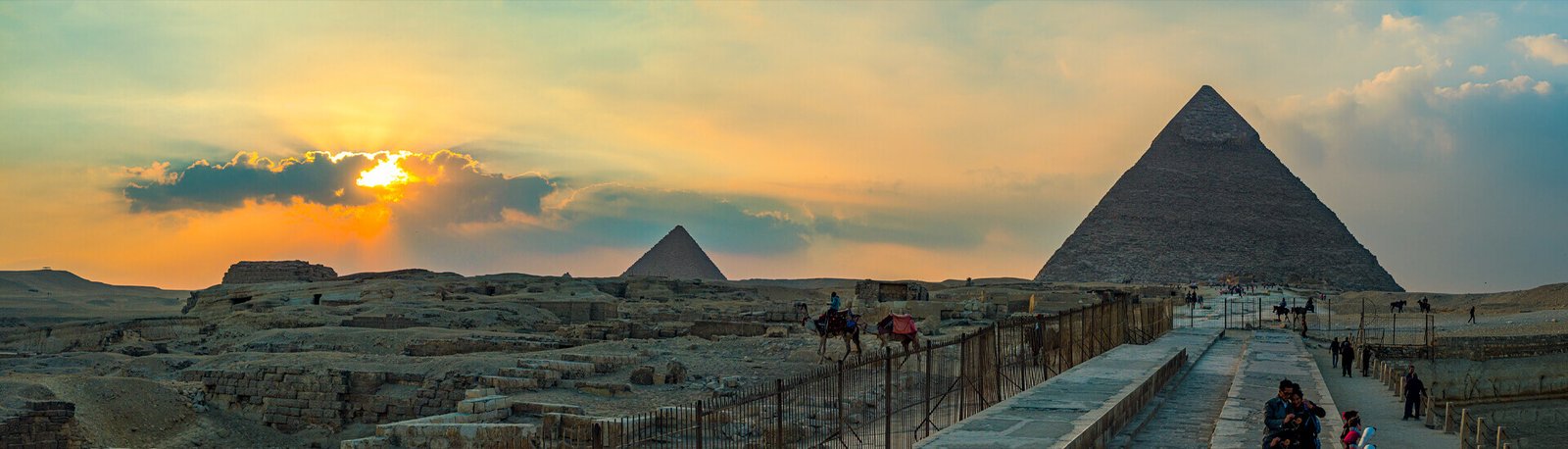
The key to enjoying Egypt now is to work with the Ramadan clock, not against it. Mornings are golden. Aim to reach the Pyramids of Giza, the Egyptian Museum, or Karnak Temple early, when guards and guides are fresh and the light is soft.
Attractions generally remain open, though some may close a little earlier to let staff get home for iftar. Plan a restful late afternoon at your hotel, then head out again after sunset when the whole country reawakens.
Down south, the pace suits the season beautifully. The temples of Luxor are best explored in the cooler morning hours, while a gentle afternoon by the water in Aswan feels tailor-made for Ramadan’s slower tempo. Sailing between the two on a Nile cruise is arguably the most serene way to travel during the holy month, with meals served onboard and no need to worry about daytime restaurant closures.
Eating and Drinking as a Visitor
Let me put a common worry to rest immediately: as a non-Muslim tourist, you are not expected to fast. Nobody will judge you for eating or drinking, and tourist areas cater to visitors throughout the day.
That said, a little sensitivity goes a long way. Here is how respectful travellers handle it:
- Eat and drink discreetly in public during daylight, rather than tucking into a big meal in front of people who are fasting.
- Carry water and snacks for museum visits and long drives, since some smaller cafés may be closed until sunset.
- Book iftar at least once at a restaurant or hotel to taste the celebratory spread at its best.
- Try the seasonal specialities, because many dishes and drinks only appear during Ramadan.
Hotels, resorts, and tourist restaurants in places like Hurghada and Sharm El Sheikh operate almost normally, so a beach-focused trip barely changes at all.
Tastes You Will Only Find Now
Ramadan has its own delicious vocabulary. Seek out qatayef, little stuffed pancakes filled with nuts or sweet cheese, and konafa, a golden pastry soaked in syrup. To drink, cool and cloudy qamar el-din (apricot nectar), tangy hibiscus karkadeh, and liquorice-based erk sous line the streets in glittering displays. These flavours are the taste of the season, and they vanish once the month ends.
The Lanterns of Cairo: A Living Tradition
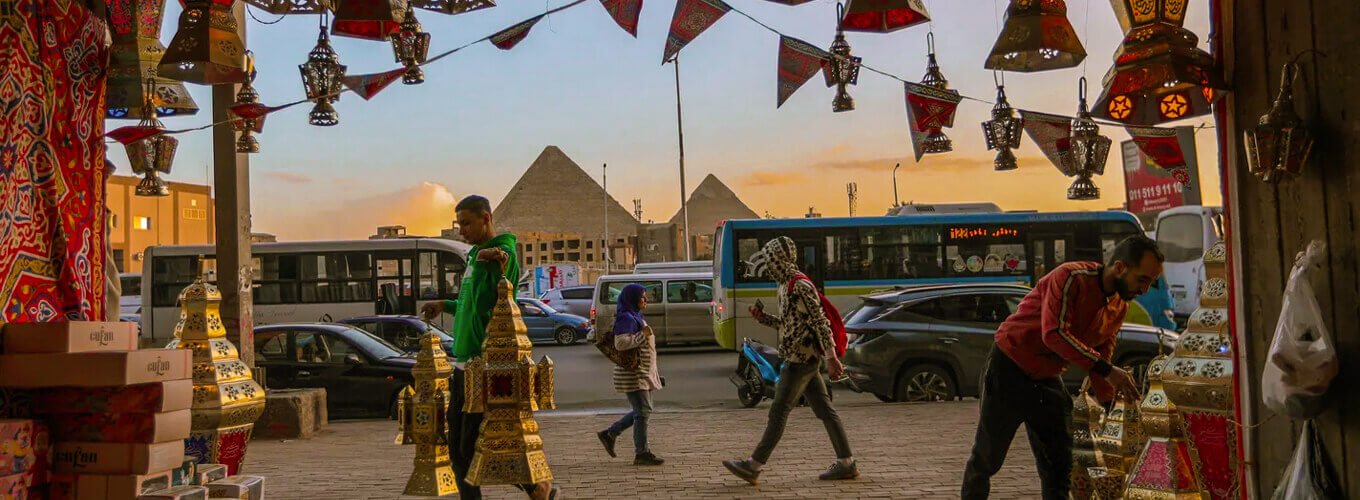
No image captures Ramadan in Egypt better than the fanous, the colourful lantern that hangs from balconies, shopfronts, and children’s hands. This tradition is famously Egyptian, said to date back to the Fatimid era over a thousand years ago, and it has become a symbol of the whole month across the Muslim world.
The lane markets of Old Cairo, particularly around Khan el-Khalili, blaze with lanterns, fabrics, and fairy lights. Wandering here after iftar, glass of tea in hand, is pure sensory delight. If you want to weave these atmospheric evening moments into a broader itinerary, our Egypt travel packages can be shaped around the season so nothing feels rushed.
Beaches, Reefs and Resorts: The Easiest Ramadan Trip
If you would rather ease into Egyptian culture without adjusting your whole schedule, the Red Sea coast is your friend. Resort towns run on international time, with buffets, bars, and dive centres operating as usual for guests.
You can spend your days snorkelling over coral gardens and your evenings sampling a Ramadan-themed dinner, getting the best of both worlds. Explore our Hurghada tours for laid-back reef adventures, or discover the world-class dive sites on our Sharm El Sheikh tours. Even here, staff will often share the celebratory spirit with you once the sun goes down.
Dressing and Behaving With Respect
Egyptians are famously warm and forgiving toward visitors, but the holy month calls for a touch more mindfulness than usual. None of this is difficult, and it will earn you genuine smiles.
- Dress modestly, covering shoulders and knees, especially away from beach resorts and near mosques.
- Keep public affection low-key, as this is a conservative time of year.
- Avoid loud music or rowdy behaviour during daylight fasting hours.
- Offer a warm “Ramadan Kareem”, the traditional greeting, and watch faces light up.
- Tip a little more generously, since many workers are fasting yet still serving you.
These small courtesies transform you from an outsider into a welcomed guest, and Egyptians will repay them tenfold.
Practical Logistics You Should Know
A well-planned trip glides through Ramadan; an unplanned one can hit a few friction points. Here are the practicalities I always brief my guests on.
Transport and Traffic
The hour before iftar sees a mad dash home, so roads in Cairo and other big cities become extremely congested, then fall silent once the meal begins. Avoid scheduling airport transfers or long drives right around sunset if you possibly can. Curiously, the quietest, easiest time to move around a city is during iftar itself.
Opening Hours and Bookings
Government offices, banks, and some shops keep shorter hours. Restaurants may not open until after sunset, so pre-booking your iftar and any daytime dining is wise. This is exactly where a local operator earns their keep, smoothing over the timing so you never stand hungry outside a shuttered café.
The Final Days and Eid
Ramadan ends with Eid al-Fitr, a joyous three-day holiday of feasting, new clothes, and family visits. It is a wonderful spectacle, but be aware that many businesses close, transport fills up, and popular sites get busy with local holidaymakers. Book everything well ahead if your trip overlaps with Eid.
Making the Most of a Short Visit
Not everyone has two weeks to spare, and Ramadan actually suits shorter, well-curated trips rather well. A focused itinerary lets you savour the atmosphere without exhausting yourself in the heat.
If you are based in Cairo, a cluster of Egypt day trips lets you tick off the Pyramids, Islamic Cairo, and even a hop to the Mediterranean on our Alexandria day tours, all while keeping your evenings free for the Ramadan buzz. For travellers who want something built entirely around their own pace, energy levels, and interests, our tailor-made tours are the perfect way to honour the season’s gentle rhythm.
A Season That Stays With You
Of all the times I have shown Egypt to visitors, Ramadan trips are the ones guests talk about years later. It is not about the monuments, magnificent as they are. It is about being handed a date by a stranger at sunset, hearing a whole street erupt in celebration, and feeling, for a few weeks, like part of one enormous extended family.
Visiting Egypt during Ramadan asks a little patience and sensitivity from you, and gives back an experience of extraordinary warmth and authenticity in return. Come with an open heart, an empty stomach at sunset, and a willingness to slow down, and this country will fold you into its most beautiful season.
Plan Your Ramadan Journey With Us
Ready to see Egypt at its most soulful? The team at Daily Pyramids Tours lives and breathes this country, and we would love to craft a trip that lets you experience the holy month like a local while keeping every logistic effortless. Browse our tours, tell us what moves you, and let us build a Ramadan adventure you will carry home forever.
Ready to Experience Egypt for Yourself?
Let our local experts turn these ideas into an unforgettable journey — guided, seamless, and tailored entirely around you.

