
Cairo's best shopping ranges from Khan el-Khalili, the historic bazaar famous for spices, jewelry, and handmade crafts, to modern malls like Mall of Egypt and Cairo Festival City. For authentic souvenirs and local goods, Cairo shopping centers on these bustling markets and air-conditioned retail complexes.
There are few pleasures in Egypt quite like losing an afternoon to Cairo shopping, where the scent of cardamom and fresh leather drifts through crowded lanes and every stall tells a story. From the labyrinthine alleys of the old city to sleek air-conditioned malls, the Egyptian capital rewards curious travellers with treasures they will still be smiling about long after they fly home. This guide walks you through where to shop in Cairo, how to haggle without stress, and how to bring home the good stuff rather than the tourist tat.
Why Cairo Is One of the Great Shopping Cities of the World
Cairo has been a trading crossroads for more than a thousand years, sitting where the caravans of Africa, Arabia and the Mediterranean once met. That heritage still hums through the city’s markets today, and it is exactly why shopping here feels less like a chore and more like an adventure.
You are not simply buying objects; you are buying craftsmanship that has been passed down through generations of coppersmiths, weavers and perfumers. A hand-inlaid backgammon board or a bottle of pure jasmine oil carries a sense of place that no duty-free shop can match.
Khan el-Khalili: The Beating Heart of the Bazaar
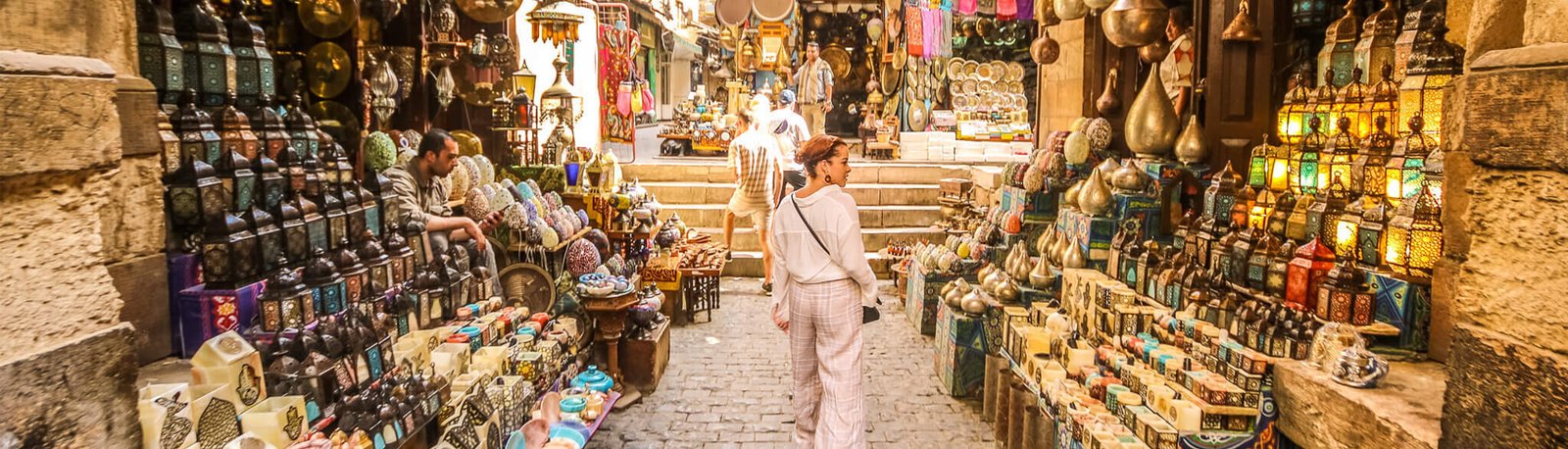
No conversation about shopping in the capital begins anywhere but Khan el-Khalili, the sprawling medieval souk in Islamic Cairo. Founded in the fourteenth century, it is a warren of narrow lanes packed with brass lanterns, silver jewellery, spices and endless cups of sweet tea offered by hopeful shopkeepers.
Come here for atmosphere as much as for purchases. Even if you buy nothing, wandering beneath the stone archways at dusk, when the lanterns flicker to life, is one of the most memorable things you can do in the city.
What to Look For in the Khan
- Brass and copper — trays, lanterns and coffee pots, many still hammered by hand in workshops nearby.
- Silver and gold jewellery — look for cartouche pendants engraved with your name in hieroglyphs.
- Inlaid boxes and chessboards — mother-of-pearl and camel bone set into dark wood.
- Textiles and scarves — cotton and pashmina in every colour imaginable.
Finding the Real Craftsmen
The main tourist drag is fun but predictable. Duck into the side alleys behind it and you will find genuine artisan workshops where prices are gentler and the quality is often higher. Ask politely and many craftsmen are delighted to show you how a piece is made.
El-Muski Street and the Local Trade
Running west from Khan el-Khalili, El-Muski is where ordinary Cairenes actually shop. It is louder, cheaper and refreshingly free of hard-sell tactics aimed at tourists.
Here you will find fabric by the metre, household goods, costume jewellery and seasonal decorations. It is not glamorous, but it is a wonderful window into everyday life, and a great place to pick up inexpensive gifts by the handful.
The Art of Haggling Without the Headache
Bargaining is expected in the souks, and it is meant to be friendly rather than a battle. Treat it as a social ritual and both you and the seller will enjoy it far more.
A relaxed, smiling approach almost always gets a better price than an aggressive one. Here is the rhythm most travellers find works well:
- Decide privately what the item is worth to you before you start.
- Let the seller name the first price, then counter at roughly half.
- Settle somewhere in the middle, ideally over a cup of tea.
- Never haggle hard for something you do not actually intend to buy.
- Walking away slowly is a polite, effective tactic — and you can always return.
Remember that a difference of a few pounds means far more to the shopkeeper than to you. A fair deal that leaves everyone smiling is the real goal.
Spices, Perfume Oils and Edible Souvenirs
If there is one thing you should not leave Cairo without, it is a bag of proper Egyptian spices. Vivid pyramids of cumin, coriander, dried hibiscus and fragrant saffron make the markets feel like a painter’s palette.
Perfume oils are another local speciality. Cairo’s essence houses sell concentrated, alcohol-free scents such as lotus, jasmine and sandalwood, decanted into pretty glass bottles that make elegant, lightweight gifts.
Tasty Things to Carry Home
- Karkade — dried hibiscus flowers for the ruby-red tea served across Egypt.
- Dukkah — a moreish blend of nuts, seeds and spices for dipping bread.
- Dates and dried fruit — Egypt grows some of the finest dates in the world.
- Loose spices — buy small, sealed quantities and check your customs allowance before flying.
Egyptian Cotton: A Genuinely World-Class Buy
Egyptian cotton earns its global reputation, and buying it at the source can be excellent value. Bed linen, towels and simple tunics made from long-staple cotton are soft, durable and a pleasure to bring home.
Be a little wary, though. Not everything labelled “Egyptian cotton” in the tourist stalls is the real thing, so buy from reputable shops and feel the weave. Genuine long-staple cotton is smooth, dense and noticeably weighty.
Papyrus, Perfume Bottles and Art You Can Trust
Papyrus paintings are a classic Cairo souvenir, but quality varies enormously. Real papyrus is made from the reed’s fibres and should be flexible and slightly ridged; the cheap banana-leaf imitations crack and discolour within months.
Reputable papyrus institutes will happily show you a sheet held up to the light so you can see the criss-cross fibres. Hand-blown perfume bottles, with their delicate gold filigree, are another lovely and portable choice.
Modern Malls and Air-Conditioned Comfort
When the summer heat becomes too much, Cairo’s contemporary malls offer a cool, orderly alternative to the bustle of the bazaars. They are also where you will find international brands, cinemas, food courts and fixed prices.
Districts such as New Cairo and 6th of October City host some of the largest shopping centres in the region. They are polished and family-friendly, and a good place to recharge between more adventurous outings.
When a Mall Makes Sense
Malls are ideal for practical needs — a forgotten charger, children’s clothes, a sit-down lunch or simply an hour out of the sun. They lack the romance of the souk, but for convenience and comfort they are hard to beat.
Zamalek and the Boutique Scene
For something more contemporary, the leafy island district of Zamalek is Cairo’s answer to a design quarter. Its quiet streets are dotted with independent boutiques, galleries and concept stores championing modern Egyptian designers.
This is where to find handmade ceramics, contemporary jewellery, artisanal soaps and clothing that blends traditional motifs with modern cuts. Prices are fixed and higher than the souk, but the quality and originality often justify the difference.
Fair-Trade and Ethical Finds
A growing number of social enterprises in Cairo work directly with rural artisans and women’s cooperatives, ensuring makers are paid fairly. Shopping with them means your money supports genuine craft communities.
Look for shops selling handwoven rugs from the Nile Delta, recycled-glass tableware, and embroidery from Upper Egypt. These pieces come with a story you can feel good about telling back home.
Gold, Silver and the Jewellery Quarter
Egyptians love gold, and Cairo has a dedicated goldsmiths’ quarter near Khan el-Khalili where the windows glitter for street after street. Gold is generally sold by weight at the day’s market rate, plus a modest charge for the workmanship.
The famous cartouche pendant — your name spelled in hieroglyphs on an oval plate — is a beautiful, personal keepsake. Ask for a certificate of authenticity for any significant gold or silver purchase, and buy from established shops rather than pavement stalls.
Carpets, Kilims and Handwoven Rugs
Egyptian rugs range from knotted wool carpets to flat-woven kilims and hand-tufted cotton pieces. A good rug is an investment, and reputable dealers will explain the materials, the knot count and the region each design comes from.
Take your time here, and do not feel pressured. A trustworthy dealer will let you photograph a piece, sleep on the decision, and return the next day without any hard feelings.
Practical Tips for a Smooth Shopping Day
A little preparation turns a chaotic bazaar into a joy. Keep these simple pointers in mind and you will shop like a seasoned local.
- Carry small cash — many stalls do not take cards, and change for large notes is scarce.
- Dress modestly — comfortable, respectful clothing goes a long way in traditional markets.
- Shop in the late afternoon — it is cooler, livelier and beautifully lit for photos.
- Keep valuables close — the crowds are friendly but busy, so stay aware.
- Learn a few Arabic words — a smiling “shukran” (thank you) opens doors and softens prices.
How to Get the Most from a Guided Visit
Cairo’s markets can feel overwhelming on a first visit, and this is where a knowledgeable local really earns their keep. A guide steers you to honest sellers, translates the finer points of a negotiation, and keeps the touts at bay.
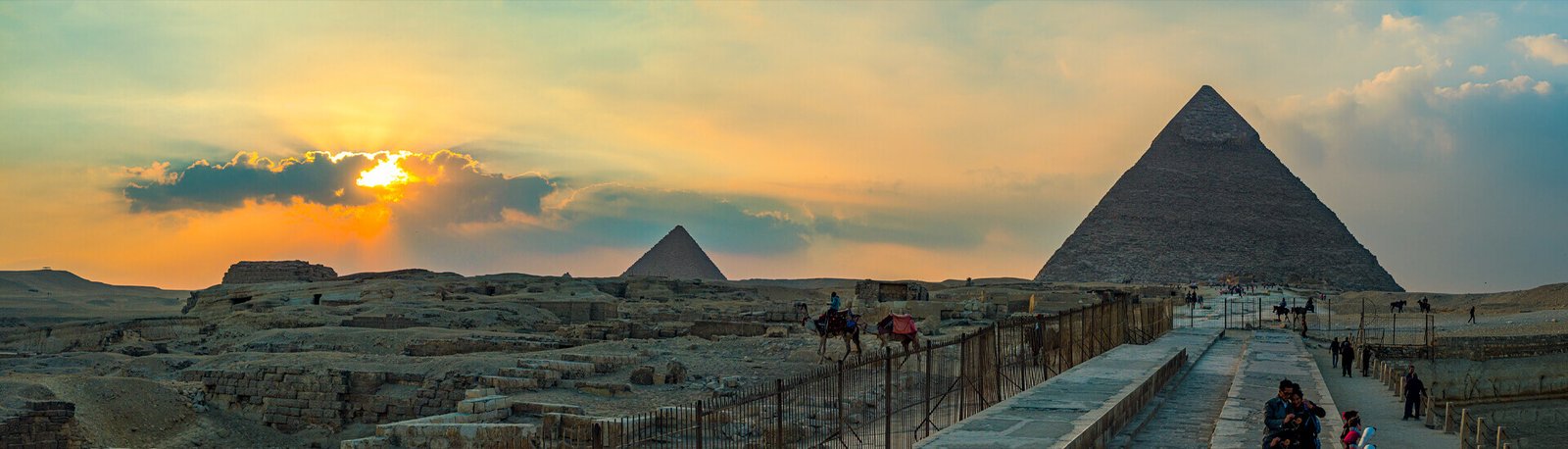
Many of our Cairo tours can be paired with a relaxed bazaar visit, so you see the Pyramids and the Egyptian Museum by day and dive into the souk as the lanterns come on. If time is short, one of our well-planned Egypt day trips can fold shopping neatly into a single, stress-free itinerary.
Combining Shopping with the Rest of Egypt
Cairo may be the retail capital, but every region has its own specialities worth seeking out. Thinking about the whole journey helps you spread your souvenir budget wisely rather than spending it all in the first bazaar.
Down south, the markets of the Nile Valley offer a different palette of colours and crafts, and there is no more atmospheric way to reach them than on one of our Egypt Nile cruises. If you would rather build the whole adventure around your own interests, our tailor-made Egypt tours let you weave in as much or as little shopping as you like.
Regional Specialities Worth the Detour
- Aswan — Nubian spices, indigo textiles and vibrant baskets in the famous souk.
- Luxor — alabaster carvings and reproductions inspired by the tombs.
- The Red Sea coast — pearls, shells and resort-friendly beachwear.
Avoiding the Common Souvenir Traps
A handful of pitfalls catch out first-time visitors, but they are easy to sidestep once you know them. Steer clear of “ancient” antiquities, which are almost certainly fakes and are illegal to export in any case.
Be cautious of anyone insisting a price is only for you “as a friend”, and never feel obliged to buy simply because you have accepted tea. Genuine Egyptian hospitality comes with no strings, and a good seller respects a polite no.
Packing, Posting and Bringing It All Home
Think about how your treasures will travel before you commit. Fragile glass, framed papyrus and large brassware need careful wrapping, and reputable shops are used to packing items securely for flights.
For bigger purchases such as carpets or furniture, many established dealers can arrange international shipping. Keep your receipts, ask about insurance, and check your home country’s customs rules on spices, food and anything made from animal or plant materials.
Bring Home More Than Souvenirs
The best thing you carry out of a Cairo souk is not the lantern or the scarf, but the memory of the exchange — the tea, the laughter, the shopkeeper who insisted on showing you just one more thing. Cairo shopping is really about connection, and that is a souvenir no suitcase can hold.
When you are ready to experience it for yourself, let us take the stress out of the planning. Explore our range of Egypt travel packages or get in touch with the team at Daily Pyramids Tours, and we will help you build a journey that balances ancient wonders, unforgettable markets and the warm welcome Egypt is famous for.
Ready to Experience Egypt for Yourself?
Let our local experts turn these ideas into an unforgettable journey — guided, seamless, and tailored entirely around you.

