
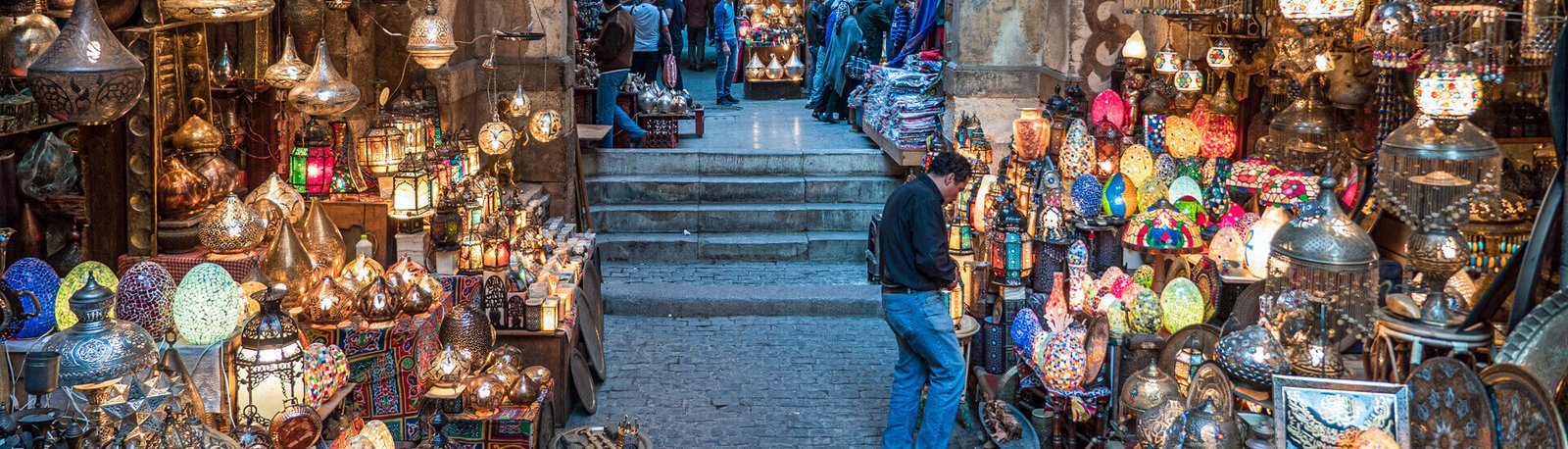
The best souvenirs from Egypt include papyrus paintings, hand-carved alabaster statues, gold and silver cartouche jewelry, cotton scarves, spices, and essential oils. Most are found in Cairo's Khan el-Khalili bazaar and Luxor markets, where haggling is expected and prices vary widely by quality.
There is a particular kind of joy in unpacking your suitcase after a trip and finding a little piece of the Nile tucked between your clothes. The best souvenirs from Egypt are not just objects; they are stories you can hold, small reminders of the call to prayer drifting over Cairo, the smell of cardamom in a Luxor market, or the golden light on the desert at dusk. As a local who has spent years guiding travellers through the bazaars, workshops and back-street shops of this country, I want to help you choose keepsakes that are authentic, meaningful and worth every pound you spend.
Why Egyptian Souvenirs Are Special
Egypt has been a crossroads of trade for more than five thousand years, and that heritage lives on in its crafts. What you buy here is rarely mass-produced tourist tat; much of it is still made by hand, using techniques passed down through generations of the same family.
When you bring home a hand-blown perfume bottle or a piece of inlaid woodwork, you are carrying a fragment of that living tradition. That is what separates a genuine treasure from a plastic pyramid, and knowing the difference is half the fun of shopping in Egypt.
Papyrus: The Original Paper of the Pharaohs
Papyrus is one of the most iconic keepsakes you can find, and for good reason. The ancient Egyptians invented this reed-based writing material thousands of years ago, and today artists still paint scenes of gods, pharaohs and hieroglyphs onto sheets pressed the traditional way.
The trouble is that markets are flooded with cheap imitations printed on banana leaf, which crack and yellow within months. Real papyrus is fibrous, flexible and slightly translucent when you hold it up to the light.
How to Spot Genuine Papyrus
- Hold the sheet up to a lamp; authentic papyrus shows a criss-cross pattern of overlapping fibres.
- Try to roll it gently. Real papyrus bends without snapping, while banana-leaf fakes crease and tear.
- Buy from a licensed papyrus institute or a reputable gallery, where staff will happily demonstrate how it is made.
A framed papyrus painting makes a stunning wall piece, and smaller unframed sheets roll up easily inside a poster tube for the flight home.
Egyptian Cotton: A Byword for Quality
The phrase “Egyptian cotton” is stitched into the language of luxury bedding for a reason. Grown in the fertile Nile Delta, this long-staple cotton produces exceptionally soft, durable and breathable fabric.
Look for scarves, galabeyas, bed linen and towels made from the genuine article. Be aware that not everything labelled Egyptian cotton actually is, so buy from established textile shops rather than roadside stalls, and expect to pay a little more for the real thing.
Perfumes and Essential Oils From the Land of Scents
Egypt has supplied the world’s great perfume houses with essential oils for centuries, and the perfume palaces of Cairo remain a sensory delight. You will be welcomed with a glass of hibiscus tea and invited to sample dozens of concentrated oils, from lotus and jasmine to sandalwood and musk.
These oils are alcohol-free, so a tiny drop lasts a long time. Buy them in the beautiful hand-blown Pyrex bottles that double as decorative objects in their own right.
One friendly warning from a local: the hard sell in these shops can be intense. Decide your budget before you walk in, sample slowly, and never feel pressured to buy the largest bottle on the shelf.
Spices, Teas and Edible Treasures
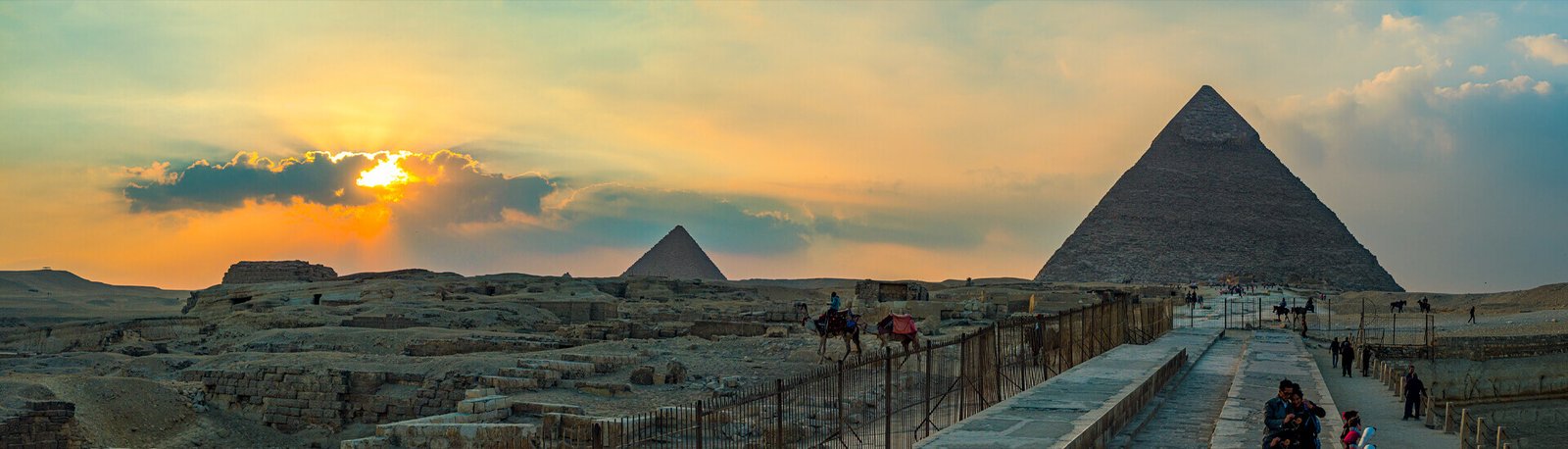
If you want a souvenir that engages all the senses, head for the spice stalls. The pyramids of saffron, cumin, sumac, dried hibiscus and karkade glow like jewels, and the aromas alone are worth the visit.
Loose spices are lightweight, pack easily and bring the flavours of Egypt straight into your kitchen. A few favourites to look out for include:
- Karkade (dried hibiscus) for the deep-red iced tea served across the country.
- Dukkah, a nutty blend of seeds and spices perfect with bread and olive oil.
- Egyptian saffron and cumin, both fragrant and far cheaper than back home.
- Halva and dried dates, sweet treats that travel surprisingly well.
Do check your own country’s customs rules on importing food before you load up, and keep everything sealed and clearly labelled for the journey.
Handmade Jewellery and the Beloved Cartouche
Egyptian jewellery ranges from ancient-inspired gold and silver to colourful Bedouin beadwork. The most personal piece you can commission is a cartouche, an oval pendant engraved with your name spelled out in hieroglyphs.
A good jeweller will draft your name in hieroglyphic symbols while you wait and can produce a pendant in silver or gold within a day or two. It is a genuinely bespoke keepsake, and one of the most requested souvenirs from Egypt among the travellers I guide.
Buying Gold and Silver Wisely
Gold in Egypt is usually sold by weight, with a separate charge for craftsmanship. Ask to see the hallmark stamp, agree the price per gram before you commit, and stick to established shops in the main gold districts rather than untested stalls.
Alabaster, Stone Carvings and Desert Craft
Around Luxor especially, artisans carve statues, vases and canopic jars from alabaster, a translucent stone that glows warmly when a candle is placed inside. Watching a craftsman shape a piece by hand in a village workshop is a memory in itself.
Genuine hand-carved alabaster is cool and heavy, with tiny natural imperfections. Suspiciously light, flawless and identical pieces are usually resin. If you are exploring the west bank temples, our Luxor tours can include a stop at a family alabaster workshop where you can watch the whole process.
Inlaid Woodwork and Mother-of-Pearl
Egyptian marquetry, known locally as khayamiya-style inlay, produces gorgeous boxes, chessboards, mirror frames and small tables decorated with mother-of-pearl, bone and different woods. The intricacy is astonishing, and a well-made jewellery box will last a lifetime.
Run your finger over the surface; on quality pieces the inlay is smooth and flush, not raised or peeling. These make wonderful gifts because they are useful as well as beautiful.
Copper, Brass and Metalwork
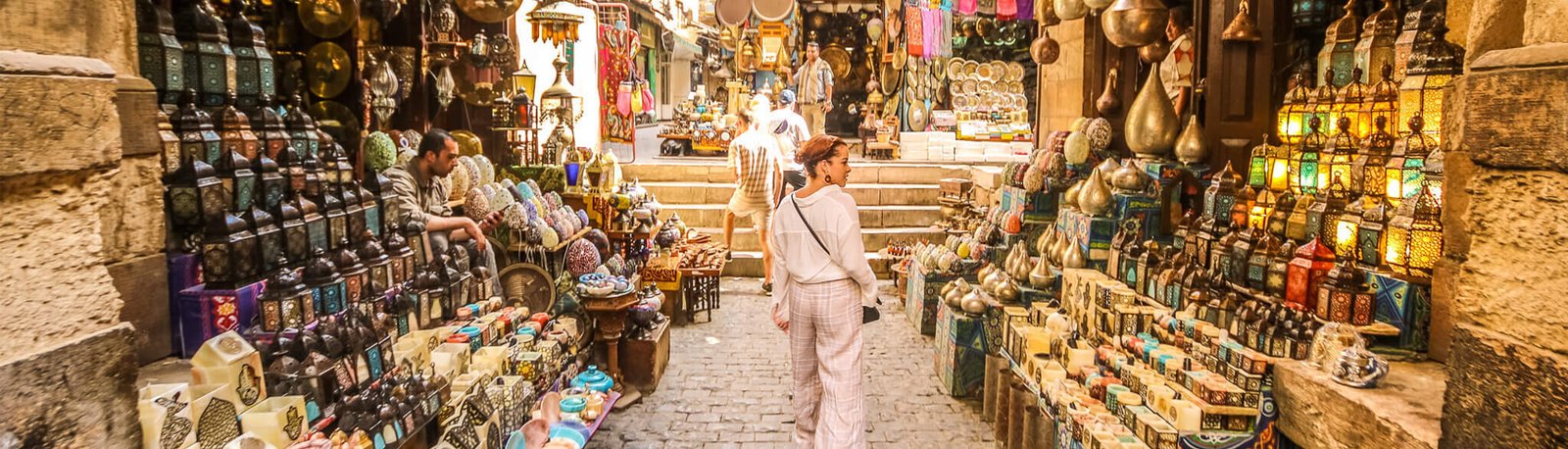
The coppersmiths’ lanes of the old city ring with the sound of hammers shaping trays, lanterns, coffee pots and engraved plates. A pierced brass lantern casts patterned shadows across a room and instantly evokes an Egyptian evening.
Traditional dallah and kanaka coffee pots are both practical and photogenic, and smaller engraved dishes slip easily into a suitcase. Bargaining is expected here, so smile, take your time and enjoy the ritual.
Textiles, Rugs and the Colourful Khayamiya
Khayamiya is the vivid appliqué textile art once used to line ceremonial tents, and today it appears as cushion covers, wall hangings and bedspreads stitched by hand in the Tentmakers’ Street of Cairo. Each piece is a riot of colour and pattern.
Bedouin and Nubian communities also weave striking rugs and produce beadwork in bold geometric designs. These textiles roll up compactly and add instant warmth to a home back in a colder climate.
Scarabs, Statues and Ancient-Inspired Replicas
The scarab beetle symbolised rebirth to the ancient Egyptians, and little carved scarabs in stone or faience are among the most popular pocket-sized souvenirs. Statuettes of Anubis, Bastet, Isis and Tutankhamun’s mask are everywhere too.
Please remember that exporting genuine antiquities is strictly illegal and can land you in serious trouble. Everything on sale in the markets is a modern replica, which is exactly what you want; buy them as art, never as “real” artefacts, and be deeply sceptical of anyone claiming otherwise.
Nubian Crafts From the South
Travel up the Nile to Aswan and the character of the souvenirs shifts. Nubian culture brings brighter colours, distinctive basketry, beaded jewellery and hand-painted goods that reflect the region’s African heritage.
The riverside markets here feel gentler and less frenetic than Cairo’s great bazaar, which makes browsing a pleasure. If a slower, more colourful shopping experience appeals, our Aswan tours weave in time to wander the Nubian souks and meet the makers.
Where to Shop: Bazaars, Markets and Workshops
Half the adventure of collecting souvenirs from Egypt is the hunt itself. Each region has its own atmosphere and specialities, and part of my job as a guide is steering travellers towards honest sellers.
Khan el-Khalili, Cairo
The great medieval bazaar of Cairo is the beating heart of Egyptian shopping, a labyrinth of lanterns, spices, jewellery and coffee houses. It can be overwhelming on a first visit, so it helps to explore it as part of our Cairo tours, where a local guide keeps you on course and helps with prices.
Luxor and Aswan Souks
The southern markets are famous for alabaster, spices and Nubian craft, and they pair beautifully with a slow journey along the river. Many travellers do their best shopping while sailing between the temples on one of our Egypt Nile cruises, browsing a different town at each mooring.
Coastal Resort Markets
If your holiday leans towards the sea, the bazaars of the Red Sea resorts stock everything from spices to shisha pipes. You can slot a shopping stroll around your beach days, and the Hurghada tours we run leave plenty of time for a wander through the old market.
The Art of Bargaining Without Stress
Haggling is part of the culture, not a battle, and approaching it with good humour makes all the difference. Sellers expect a friendly negotiation, and a warm exchange over mint tea is genuinely enjoyable once you relax into it.
A few gentle rules serve most travellers well:
- Decide what a piece is worth to you before you start, and never begin bargaining for something you do not intend to buy.
- Open below the asking price, then settle somewhere in the middle without pushing too hard over small sums.
- Keep smiling; walking away politely often brings a better final offer.
- Carry small notes, as sellers rarely have change for large bills.
Remember that a few extra pounds mean far more to a family-run stall than they do to you, so aim for a fair deal rather than the rock-bottom price.
Avoiding Fakes and Shopping Ethically
The most common pitfalls are fake papyrus, resin passed off as alabaster, and non-Egyptian cotton wearing a false label. Buying from established shops, watching items being made, and asking questions all reduce the risk.
Ethical shopping matters too. Seek out cooperatives and family workshops where your money supports the actual craftspeople, avoid anything made from ivory, coral or endangered animals, and never entertain offers of “ancient” artefacts. Responsible choices keep these beautiful traditions alive for the next generation.
Packing, Customs and Getting Treasures Home Safely
A little planning saves a lot of heartache at the airport. Fragile items such as perfume bottles, alabaster and glass need careful wrapping, and I always advise carrying the most delicate pieces in your hand luggage rather than trusting them to the hold.
- Ask the seller to bubble-wrap breakables, and pad them with clothing in your case.
- Roll papyrus into a sturdy tube to prevent creasing.
- Keep receipts, especially for gold, in case customs officers ask about value.
- Check the food and liquid limits for both Egyptian departure and your home country’s arrival.
If you would rather not lug purchases around for a fortnight, some larger shops arrange international shipping; get the cost and timescale in writing before you agree.
Souvenirs for Every Budget
You do not need deep pockets to bring home something special. Postcards, spice sachets, small scarabs, hibiscus tea and beaded bracelets cost very little and make perfect gifts for colleagues and friends.
At the other end, a commissioned gold cartouche, a hand-knotted rug or a large framed papyrus becomes a lasting heirloom. Whatever your budget, spreading your shopping across several destinations gives you the widest choice, which is easy to arrange with our Egypt travel packages that link Cairo, the Nile and the coast in one seamless trip.
Bringing It All Home
The finest souvenirs from Egypt are the ones that carry a memory: the workshop where you watched an artisan at work, the seller who shared his tea, the market lane you got happily lost in. Choose with your heart as much as your wallet, favour the handmade over the mass-produced, and you will treasure these pieces long after the tan has faded.
When you are ready to experience the bazaars, workshops and wonders behind these keepsakes for yourself, we would love to show you around. Explore our range of journeys or let us build something around your interests with a tailor-made Egypt tour, and let Daily Pyramids Tours help you come home with far more than photographs.
Ready to Experience Egypt for Yourself?
Let our local experts turn these ideas into an unforgettable journey — guided, seamless, and tailored entirely around you.

