
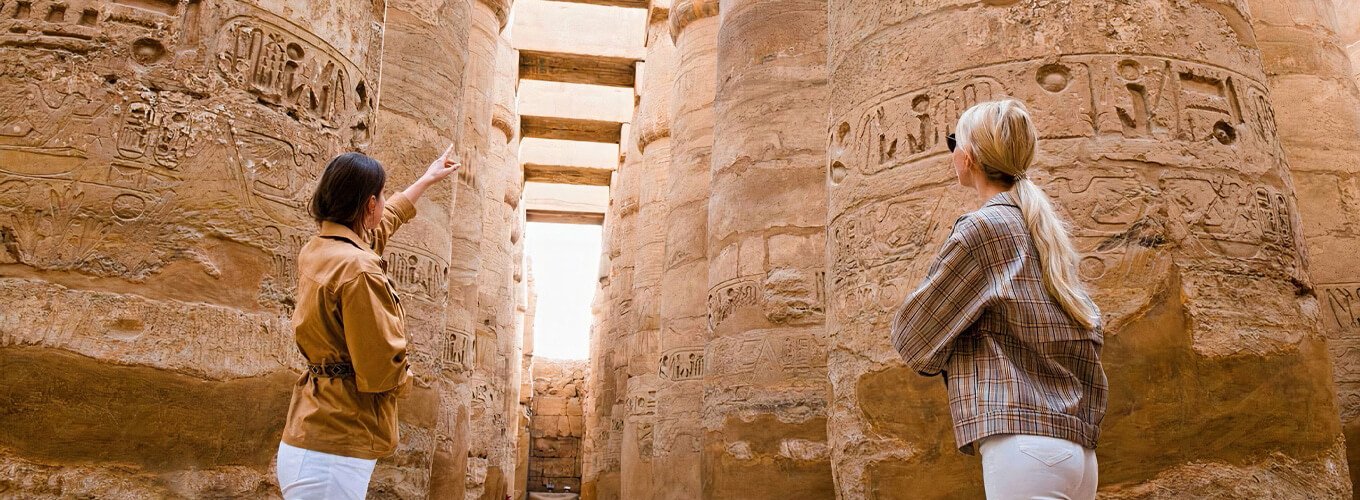
Egypt is generally safe for tourists, especially in popular destinations like Cairo, Luxor, Aswan, and the Red Sea resorts. Follow key Egypt travel safety tips: dress modestly, drink bottled water, use licensed guides and registered taxis, avoid remote border areas, and keep copies of your passport and travel documents.
Egypt has a way of pulling you in — the golden hush of the desert at dawn, the roar of Cairo’s streets, the slow drift of a felucca down the Nile — and after years of guiding guests across this remarkable country, I can tell you that a little preparation turns a good trip into an unforgettable one. These Egypt travel safety tips are drawn from first-hand experience, not scaremongering, and they exist for one reason: so you can relax, wander, and soak up the wonder without a second thought. Egypt is a warm, welcoming and genuinely safe destination for visitors who travel smart, and this guide will show you exactly how.
Is Egypt Safe to Visit Right Now?
Let’s start with the question I hear most. Yes — the parts of Egypt that travellers actually visit are safe, and millions of holidaymakers pass through Cairo, Luxor, Aswan and the Red Sea resorts every year without incident.
The classic tourist corridor, from the Pyramids of Giza down to the temples of Nubia, is heavily protected and well accustomed to international guests. Tourism is the lifeblood of this country, and Egyptians take the safety and comfort of visitors seriously — you’ll feel that goodwill almost everywhere you go.
That said, “safe” doesn’t mean “switch your brain off”. As with any destination, a bit of common sense and local knowledge goes a long way. The rest of this article is about giving you exactly that.
Do Your Homework Before You Fly
Good preparation is the quiet backbone of every smooth trip. Before you leave home, check your government’s current travel advice for Egypt, since advisories are updated regularly and give you a clear picture of any regions best avoided.
Most official guidance recommends steering clear of the far reaches of the Sinai interior and some remote border zones, while the main destinations remain firmly open and welcoming. Reading the advisory takes ten minutes and saves a lot of guesswork.
While you’re planning, make digital and paper copies of your passport, visa, insurance documents and flight details. Keep one set on your phone, email another to yourself, and tuck a printout in your luggage — if anything ever goes missing, you’ll be grateful you did.
Sort Your Visa and Entry Requirements Early
Most visitors need a tourist visa to enter Egypt, and the good news is that it’s straightforward. Many nationalities can apply online in advance through the official e-Visa portal, which spares you queuing on arrival.
A visa on arrival is also available to a wide range of passport holders at major airports, and it’s typically paid in cash. Always use official channels — never a lookalike website or a stranger offering to “help” you skip the line.
- Check that your passport has at least six months’ validity beyond your travel dates.
- Confirm whether your nationality qualifies for an e-Visa or visa on arrival before you book.
- Carry a little US currency in clean, undamaged notes as a backup for entry fees.
Travel Insurance Is Non-Negotiable
If there’s one item I’ll never let a guest skip, it’s comprehensive travel insurance. A good policy covers medical care, trip cancellation, lost baggage and — importantly for Egypt — activities like camel rides, quad biking, diving and desert excursions.
Read the fine print so you know exactly what’s included. Some standard policies exclude scuba diving below certain depths or off-road adventures, so if a Red Sea dive trip or a desert safari is on your list, make sure you’re covered.
Keep your insurer’s emergency number saved in your phone and written down. In the rare event you need it, you won’t want to be scrambling for details.
Choosing Trustworthy Tours and Guides
The single biggest factor in a safe, hassle-free Egyptian holiday is who you travel with. A reputable, licensed operator handles the logistics, vets the drivers, and stands between you and the everyday friction of an unfamiliar country.
Booking a well-organised itinerary — whether that’s a set of Cairo tours around the Pyramids and the Egyptian Museum or a broader Egypt travel package — means your transport, entry tickets and timings are all arranged by people who do this every day. That’s not just convenient; it’s a genuine safety layer.
Look for licensed Egyptologist guides, clear pricing with no vague “extras”, and a company that answers your questions promptly before you’ve paid a penny. If something feels off during the booking process, trust that instinct.
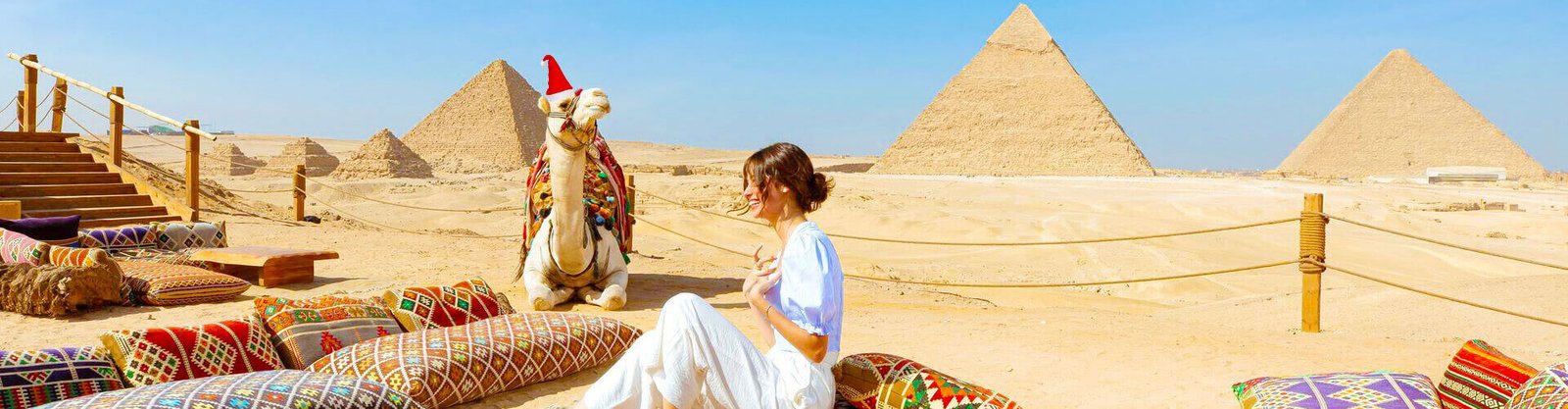
Getting Around: Transport Safety
Egyptian traffic is a spectacle in itself — enthusiastic, fast and gloriously improvised. As a visitor, the safest approach is to let professionals do the driving.
In the Cities
In Cairo and other large cities, ride-hailing apps are a game-changer. They give you a fixed fare, a named driver and a GPS route you can share with someone, which removes the usual haggling and uncertainty of flagging a street taxi.
If you do take a traditional taxi, agree the fare before you get in, or insist on the meter. Keep small notes handy so you’re never stuck waiting for change.
Between Destinations
For longer journeys — Cairo to Luxor, say, or Aswan to Abu Simbel — domestic flights and the sleeper train are comfortable, popular options. When travelling with a tour operator, you’ll usually be moved by private, air-conditioned vehicle with a vetted driver, which is by far the most relaxing way to cover Egypt’s long distances.
Staying Well: Food and Water Safety
Egyptian cuisine is one of the great joys of the trip — think creamy koshari, smoky grilled meats, warm baladi bread and fresh mezze. To enjoy it fully, follow a few simple habits so your stomach stays as happy as your tastebuds.
- Drink bottled or properly filtered water, and check the seal is intact before you open it.
- Skip ice in drinks unless you know it’s made from purified water.
- Favour hot, freshly cooked food and busy eateries with high turnover.
- Peel fruit yourself and be a little cautious with raw salads at unfamiliar spots.
Pack a basic kit with rehydration salts and any medication you’d normally reach for at home. A mild “traveller’s tummy” is easy to shrug off when you’re prepared, and most visitors never experience anything at all.
Coping With the Egyptian Sun
People often underestimate the heat, especially in summer and out at the temples and desert sites where shade is scarce. The sun here is powerful, and dehydration sneaks up faster than you’d expect.
Drink water constantly — more than you think you need — and carry a refillable bottle. A wide-brimmed hat, high-factor sunscreen and lightweight, loose clothing will keep you comfortable through a long day of sightseeing.
Plan the most demanding activities for early morning or late afternoon. Not only is it cooler, but the light on the ancient stones is at its most beautiful, and you’ll dodge the midday crowds too.
Dressing Respectfully and Comfortably
Egypt is a conservative country, and dressing modestly is both a mark of respect and a way to draw less unwanted attention. This doesn’t mean covering head to toe — it means being thoughtful, particularly away from the resorts.
For men and women alike, clothing that covers the shoulders and knees works well for temples, mosques, markets and everyday exploring. Lightweight cottons and linens keep you cool while staying appropriately covered.
When visiting a mosque, women should carry a scarf for their hair, and everyone removes their shoes before entering. At beach resorts like Hurghada and Sharm El-Sheikh, swimwear is perfectly normal around the pool and beach — just cover up a little when you head into town.
Handling Money and Avoiding Common Scams
Let me be clear: the scams you might encounter in Egypt are overwhelmingly about your wallet, not your safety. They’re a mild irritation rather than a danger, and once you know the patterns, they’re easy to sidestep with a smile.
The Usual Suspects
Common ones include an over-friendly “guide” who attaches himself to you at a site and then demands a tip, camel or horse owners quoting one price for the ride up and another for the way down, and shopkeepers who insist a photo or trinket was “free” until you’re holding it.
- Agree every price clearly and out loud before accepting any service, ride or item.
- A polite but firm “no, thank you” — la, shukran — works wonders.
- Carry small denominations so tipping is easy and you’re not flashing large notes.
- Only change money at banks, hotels or official exchange offices.
Tipping, known locally as baksheesh, is woven into daily life here and is genuinely appreciated for good service. Keep a pocket of small notes and you’ll navigate it gracefully.
Smart Habits for Solo Travellers and Women
Plenty of women travel Egypt solo and have a wonderful time, and organised tours make it especially easy and comfortable. Still, a few extra habits help you move through busy places with confidence.
Some female visitors experience persistent attention or comments, particularly in crowded markets. Sunglasses, a confident stride and simply not engaging usually defuse it. Wearing a ring on your wedding finger and mentioning a husband — real or invented — can also cut down on unwanted approaches.
Choosing a small-group or private itinerary, such as a set of guided Luxor tours, means you’re never navigating the temples alone and always have a local expert at your side. It’s the reassurance that lets you focus on the magic rather than the logistics.
Keeping Your Belongings Secure
Serious crime against tourists is rare, but opportunistic pickpocketing can happen in any crowded spot on earth — and Egypt’s bustling bazaars are no exception. A little vigilance keeps your valuables where they belong.
Use a cross-body bag that zips shut, and keep it in front of you in tight crowds like the Khan el-Khalili bazaar. Leave your passport and the bulk of your cash in the hotel safe, carrying only what you need for the day.
A money belt or a hidden inner pocket is ideal for your cards and emergency notes. Split your money across a couple of places so that even in the unlikely event something goes missing, you’re never left with nothing.
Staying Connected: SIM Cards and Wi-Fi
Staying connected is both a convenience and a safety tool. A local SIM card or an eSIM gives you affordable data, maps and the ability to call for help or reach your tour operator at any moment.
You can pick up a SIM at the airport or from official provider shops in town; bring your passport, as registration is required. Coverage is strong in cities and along the Nile Valley, though it thins out in the deep desert.
Save the key numbers before you set off: your hotel, your tour company, your insurer, and the tourist police. Having them a tap away means you’re never caught flat-footed.
Health Preparation and Pharmacies
No special vaccinations are required for most visitors, but it’s wise to check with your doctor or a travel clinic well before departure, as recommendations can vary by nationality and by where exactly you’re heading.
Egyptian pharmacies are plentiful, well stocked and staffed by knowledgeable pharmacists who often speak English. Many everyday medicines are available over the counter, but bring an adequate supply of any prescription drugs you rely on, kept in their original packaging.
If you have a pre-existing condition, carry a note from your doctor and know where the nearest reputable hospital is in each city you visit. Your hotel or guide can point you to the best clinics quickly if you ever need one.
Safety on the Water: Nile Cruises and the Red Sea
Two of Egypt’s most beloved experiences happen on the water, and both are very safe when you go with a professional operator.
On the Nile
A journey between Luxor and Aswan is the classic way to see the great temples unfold at a gentle pace. When you book a well-run Nile cruise, safety standards, catering and shore excursions are all handled for you, so you can simply enjoy the passing riverbank.
On deck, the usual sense applies: keep an eye on children near railings and use the sun protection we talked about earlier. The felucca sailboats are a delight too — just make sure life jackets are available before you cast off.
At the Red Sea
The Red Sea offers some of the finest diving and snorkelling on the planet. Choose a licensed dive centre, never dive beyond your certification, and always follow your instructor’s briefing to the letter. Reputable Aswan tours and Red Sea excursions alike are built around exactly these professional standards.
Respecting Local Laws and Customs
A trip runs smoothly when you understand the ground rules. Egypt has laws and customs that differ from home, and a little awareness keeps you on the right side of them.
- Always ask permission before photographing people, and avoid taking pictures of military sites, checkpoints and some government buildings.
- Public displays of affection are best kept low-key, especially outside the resorts.
- Alcohol is available in hotels, bars and licensed restaurants, but public drunkenness is frowned upon.
- Drug offences are treated extremely seriously, with severe penalties — simply don’t go near them.
Egyptians are famously hospitable, and showing respect for their culture is repaid many times over in warmth and kindness. A few words of Arabic and a genuine smile open more doors than you’d imagine.
Who to Call: Emergency Contacts and the Tourist Police
Egypt has a dedicated Tourist Police force whose whole purpose is to assist visitors, and you’ll spot them at major sites and in tourist areas. They’re your first port of call for anything from a lost bag to directions.
Before you travel, note down the general emergency numbers for police, ambulance and fire, as well as the contact details for your country’s embassy or consulate in Cairo. Programme them into your phone and keep a written copy in your day bag.
If you’re travelling with a reputable operator, your guide is effectively your on-the-ground safety net — they’ll know exactly who to call and how to help long before you’d need to dial anything yourself.
Family Travel: Keeping Children Safe and Happy
Egypt is a wonderful destination for families, and Egyptians adore children, so expect plenty of friendly attention. A few tweaks make the experience smooth for younger travellers.
Keep little ones hydrated and shaded, and build in rest during the hottest hours. Agree a simple plan for what to do if anyone gets separated in a busy site, and consider writing your phone number on a card in your child’s pocket.
Shorter, well-paced itineraries work best with children — a mix of Egypt day trips broken up with pool time keeps everyone cheerful. Many operators will happily tailor the pace and content to suit your family’s ages and interests.
Trust the Right People and Travel With Confidence
If I could distil years of guiding into a single piece of advice, it would be this: the company you keep shapes your whole experience. A trustworthy operator, a licensed guide and a thoughtfully planned route remove almost every worry before it can arise.
Whether you dream of a bespoke journey through a set of tailor-made Egypt tours or a classic loop from the Pyramids to the temples of the south, having local experts in your corner turns caution into confidence. That’s the real secret behind every relaxed traveller you’ll see beaming beneath the Sphinx.
Final Thoughts: Come for the Wonder, Stay Prepared
Egypt rewards the curious and the prepared in equal measure. Follow these Egypt travel safety tips — sensible planning, respectful dressing, trusted transport, good insurance and a reputable guide — and the country opens up to you as one of the most rewarding, hospitable and downright astonishing places on earth.
The overwhelming majority of visitors leave with nothing but stories of kindness, colour and awe. With a little foresight, there’s no reason you won’t be one of them.
When you’re ready to turn the dream into a plan, we’d love to help you do it safely and beautifully. Explore our range of journeys and let the team at Daily Pyramids Tours craft an itinerary that lets you relax, explore and fall in love with Egypt — while we take care of the details.
Ready to Experience Egypt for Yourself?
Let our local experts turn these ideas into an unforgettable journey — guided, seamless, and tailored entirely around you.

