
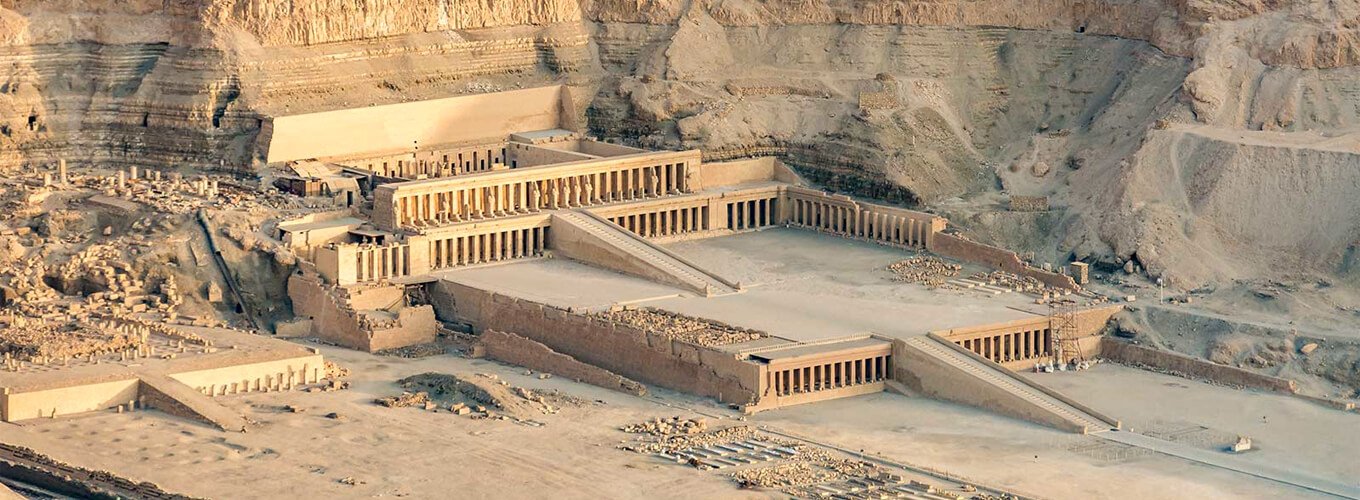
Luxor Temples are a group of ancient Egyptian monuments on the east bank of the Nile, centered on Luxor Temple and the vast Karnak complex. This guide to Luxor Temples covers their history, layout, best visiting times, and highlights like the Avenue of Sphinxes and towering hypostyle halls.
Few places on earth make time feel so gloriously thin as the east bank of Luxor, where a single evening stroll can carry you past three and a half thousand years of pharaohs, priests and processions. This guide to Luxor Temples is written from years of walking these sandstone avenues with travellers of every kind, and it is designed to help you understand not just what you are looking at, but why it still takes your breath away. Whether this is your first trip to Egypt or a long-awaited return, consider this your friendly, practical companion to one of the most extraordinary open-air museums in the world.
Why Luxor Is Often Called the World’s Greatest Open-Air Museum
Luxor sits on the site of ancient Thebes, the powerful capital of Egypt during the height of the New Kingdom. For centuries this was the beating heart of a civilisation, home to god-kings, sprawling temple estates and a priesthood whose influence rivalled the throne itself.
Today the modern city drapes itself around these ruins rather than replacing them. You will find a temple pylon rising at the end of a busy street, and a colossal statue watching over a roundabout as if it were the most natural thing in the world. That easy intimacy with the ancient is exactly what makes Luxor unforgettable.
Understanding Karnak and Luxor: Two Temples, One Sacred Story
When people talk about the temples of Luxor, they usually mean two distinct but deeply connected sites: the vast complex of Karnak to the north, and the more compact, elegant Luxor Temple in the heart of the city. Both stand on the east bank of the Nile, the side the ancient Egyptians associated with life and the rising sun.
The two were once physically linked by a grand ceremonial road lined with sphinxes. Understanding that they were designed as partners in a single religious drama is the key that unlocks a richer visit, so it is worth keeping that relationship in mind as you explore each one.
Stepping Into Karnak: A City of Gods in Stone
Karnak is not a single temple but a colossal precinct built, expanded and embellished by roughly thirty pharaohs over some two thousand years. Walking through its gates, you quickly realise that no photograph has ever done it justice.
Dedicated primarily to the god Amun-Ra, together with his consort Mut and their son Khonsu, Karnak grew as each ruler tried to outdo their predecessors. The result is a layered, sometimes gloriously chaotic monument that reads like a stone diary of Egyptian ambition.
The Great Hypostyle Hall
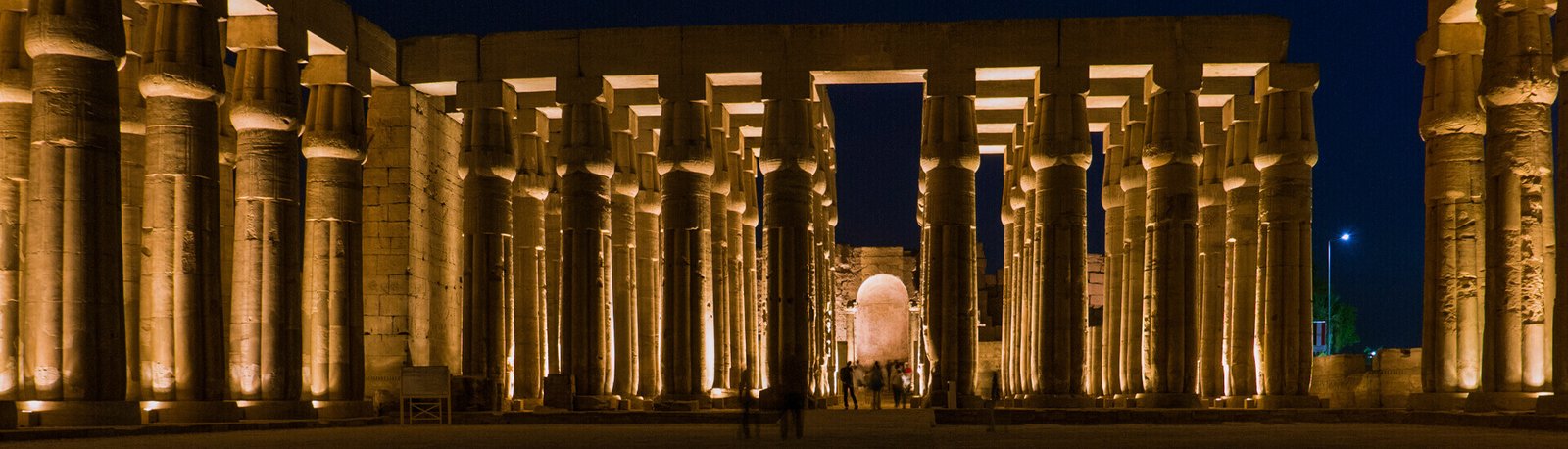
The undisputed showstopper is the Great Hypostyle Hall, a forest of 134 towering columns arranged in sixteen rows. The central columns soar to around twenty-one metres, their capitals shaped like open papyrus flowers.
Once roofed and dim, the hall was designed to feel like a primeval marsh at the dawn of creation. Stand at its centre, look up, and you feel wonderfully, humbling small.
The Sacred Lake and the Avenue of Rams
Beyond the hall you will find the Sacred Lake, where priests once purified themselves before rituals, and rows of ram-headed sphinxes representing Amun. These quieter corners are perfect for catching your breath and imagining the daily rhythm of temple life.
The Grace of Luxor Temple in the Heart of the City
If Karnak overwhelms with scale, Luxor Temple charms with elegance and focus. Largely the work of two great builders, Amenhotep III and Ramesses II, it feels more unified and human in proportion.
Its front is guarded by seated colossi of Ramesses II and a single surviving pink-granite obelisk; its twin now stands in Paris. Inside, a graceful colonnade of papyrus columns leads you deeper into a space that has served as a place of worship almost continuously for millennia.
A Temple That Never Stopped Being Sacred
One of the most fascinating things about Luxor Temple is how many faiths have layered themselves onto it. A Roman-era chapel bears faded frescoes, and a functioning mosque, the Mosque of Abu Haggag, sits perched above the ancient courtyard.
You can literally see thousands of years of continuous devotion stacked in the same walls. Few monuments anywhere illustrate the endurance of the sacred quite so vividly.
The Avenue of Sphinxes: Walking the Ancient Processional Way
Connecting Karnak and Luxor Temple is the recently restored Avenue of Sphinxes, a roughly 2.7-kilometre ceremonial road once flanked by hundreds of statues. In ancient times this was the stage for the Opet Festival, when images of the gods were carried in joyful procession between the two temples.
Today you can once again trace much of this route on foot. Walking even a portion of it, with sphinxes standing sentinel on either side, is one of the most atmospheric experiences in the whole city.
When to Visit: Timing Your Temple Days
Luxor is warm year-round and can be genuinely hot in high summer, so timing matters more here than in many destinations. A little planning transforms a sweaty slog into a comfortable, memorable day.
- Best months: October to April offer the most pleasant temperatures for daytime sightseeing.
- Best times of day: Early morning just after opening, or late afternoon towards golden hour, reward you with softer light and thinner crowds.
- A magical extra: Luxor Temple is especially beautiful after dark, when gentle floodlighting brings the columns and statues to dramatic life.
If you can only manage one temple in the cool of the day, save the other for the golden hours. Your photographs, and your energy levels, will thank you.
How Much Time You Really Need
Karnak deserves at least two to three unhurried hours; rush it and you will miss its quiet corners and finer carvings. Luxor Temple is more compact and rewards ninety minutes to two hours, particularly if you linger over the reliefs.
Many visitors pair a morning at Karnak with an evening return to a floodlit Luxor Temple, using the hottest midday hours to rest, eat and perhaps enjoy a leisurely lunch by the Nile. It is a rhythm that suits the climate beautifully.
Reading the Walls: A Simple Guide to the Stories in Stone
The carvings covering these temples are not decoration for its own sake; they are records, prayers and propaganda. Once you learn a few recurring characters, the walls begin to tell their tales.
- The pharaoh is usually the largest figure, often shown making offerings or smiting enemies to symbolise order over chaos.
- Amun-Ra frequently appears crowned with tall twin plumes, receiving gifts from the king.
- Cartouches, those oval rings of hieroglyphs, enclose royal names and are wonderful to spot repeatedly across a single wall.
You do not need to be an Egyptologist to enjoy this. A knowledgeable guide, or simply a curious eye, turns a wall of symbols into a vivid narrative.
Practical Tips for a Comfortable, Respectful Visit
A smooth visit comes down to a few small preparations. These sites are ancient, sacred and, in high season, busy, so a thoughtful approach makes everything more enjoyable.
- Wear light, breathable clothing and comfortable closed shoes for uneven ancient stone.
- Carry water, sunglasses, a hat and high-factor sun protection, as shade is limited.
- Keep some cash for entrance tickets, tips and small purchases.
- Dress modestly, particularly near the mosque inside Luxor Temple.
- Ask before photographing local people, and be aware that some interior areas may have photography rules.
A little courtesy goes a long way with the guardians and vendors you will meet, and often leads to warm conversations and unexpected local insights.
Should You Hire a Guide?
In a word, yes, at least for Karnak. The site is so vast and its history so layered that even a good guidebook struggles to bring it fully to life. A licensed Egyptologist guide adds context, colour and human stories you would never piece together alone.
If you prefer to explore independently, that is perfectly possible too. Just do a little reading beforehand so the columns and cartouches mean something when you arrive. For travellers who want everything arranged seamlessly, our Luxor tours pair expert guides with comfortable transport so you can focus entirely on the wonder in front of you.
Beyond the East Bank: Luxor’s Other Treasures
While this guide focuses on the great temples of the east bank, Luxor’s west bank holds the famous royal necropolis. Crossing the Nile brings you to the Valley of the Kings, the mortuary temple of Hatshepsut and the towering Colossi of Memnon.
Many visitors devote one full day to the east-bank temples and another to the west bank. Together they give you the complete Theban story, from living worship to eternal afterlife, and make Luxor well worth at least two unhurried days.
Combining Luxor Temples With a Nile Cruise
One of the most rewarding ways to experience these temples is as part of a journey along the river that made them possible. Sailing between Luxor and Aswan lets you arrive at the monuments the way ancient travellers once did, from the water.
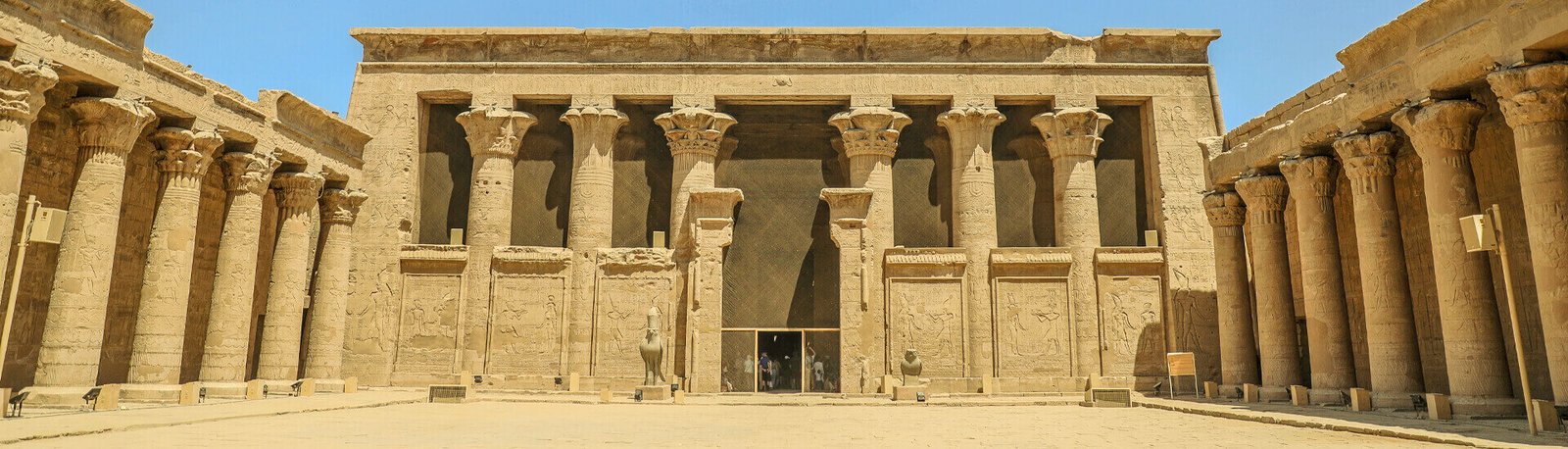
A relaxed voyage on one of our Egypt Nile cruises weaves the Luxor temples together with sites such as Edfu and Kom Ombo, all without the hassle of repeated packing and unpacking. It is comfort and history in one graceful package.
How Luxor Fits Into a Wider Egypt Itinerary
Luxor is spectacular, but it shines even brighter as part of a well-planned Egyptian adventure. Most travellers combine it with the pyramids and museums of the capital, and the graceful, laid-back charm of the south.
A classic route pairs the monuments of Giza on our Cairo tours with a few days in Luxor, then continues to the islands and temples of the deep south on our Aswan tours. If you would like the beaches and reefs of the Red Sea afterwards, they slot in beautifully too.
Building Your Perfect Trip
Every traveller wants something slightly different, and that is exactly the point. Some crave a fast-paced highlights tour; others want slow mornings and long conversations with their guide.
Our Egypt travel packages offer ready-made routes that already balance temples, cruising and free time, while our tailor-made Egypt tours let you shape every detail around your pace, interests and budget.
Common Mistakes First-Time Visitors Make
Even seasoned travellers can stumble in Luxor simply because they underestimate it. A few gentle warnings will help you sidestep the most frequent regrets.
- Trying to see everything in one rushed day, which leaves you exhausted and the temples half-appreciated.
- Visiting at midday in summer, when heat drains the joy from even the finest ruins.
- Skipping a guide at Karnak and missing the stories that make the stones sing.
- Forgetting small cash for tickets, tips and the occasional cold drink.
None of these are disasters, but avoiding them turns a good visit into a truly memorable one.
The Sound and Light Experience
After sunset, Karnak hosts an atmospheric sound-and-light show that guides visitors through the temple’s history with narration, music and dramatic illumination. Opinions vary on the theatrics, but there is something undeniably stirring about wandering these ancient halls after dark.
Even if you skip the formal show, seeing Luxor Temple glowing against the night sky is reason enough to plan an evening visit. The way light plays across the columns feels almost cinematic.
Where the Temples Sit in the Rhythm of Egyptian History
To appreciate Luxor fully, it helps to know that these temples belong overwhelmingly to the New Kingdom, roughly the sixteenth to eleventh centuries BC. This was Egypt’s golden age of empire, wealth and monumental building.
Names you will encounter again and again, such as Hatshepsut, Amenhotep III, Ramesses II and Tutankhamun, all left their mark here. Standing among their works, you are quite literally walking through the ambitions of the most famous pharaohs who ever lived.
Making the Most of Your Days Around Luxor
Luxor rewards travellers who slow down. Beyond the headline temples, simple pleasures such as a felucca sail at sunset, a horse-drawn carriage through the old streets, or mint tea by the Nile add texture to your visit.
If your schedule is tight, well-organised excursions can compress the highlights without leaving you frazzled. Our Egypt day trips are a smart option for travellers based elsewhere who want a focused, expertly guided taste of Luxor’s wonders before moving on.
A Few Words on Etiquette and Local Life
Luxor is a living city, not merely a museum, and its people are among the warmest you will meet in Egypt. A smile, a few words of Arabic, and genuine curiosity open doors everywhere.
Bargaining in the markets is expected and part of the fun, but always good-natured. Tipping, known locally as baksheesh, is customary for small services, so keeping loose change handy keeps everything friendly and smooth.
Bringing It All Together
The temples of Luxor are more than ruins; they are a conversation across the centuries, still eloquent after thousands of years. From the soaring columns of Karnak to the floodlit grace of Luxor Temple and the long, storied Avenue of Sphinxes, this is a place that rewards curiosity, patience and a little planning.
Use this guide to Luxor Temples as your starting point, but leave room for wonder, because Luxor has a way of exceeding every expectation. Take your time, look up often, and let the stories in the stone unfold at their own unhurried pace.
When you are ready to turn dreaming into a real journey, the team at Daily Pyramids Tours would love to help you craft it. Explore our Luxor experiences, browse our wider Egypt travel packages, or simply reach out and let us build a trip shaped entirely around you. The temples have waited millennia; now it is your turn to walk among them.
Ready to Experience Egypt for Yourself?
Let our local experts turn these ideas into an unforgettable journey — guided, seamless, and tailored entirely around you.