
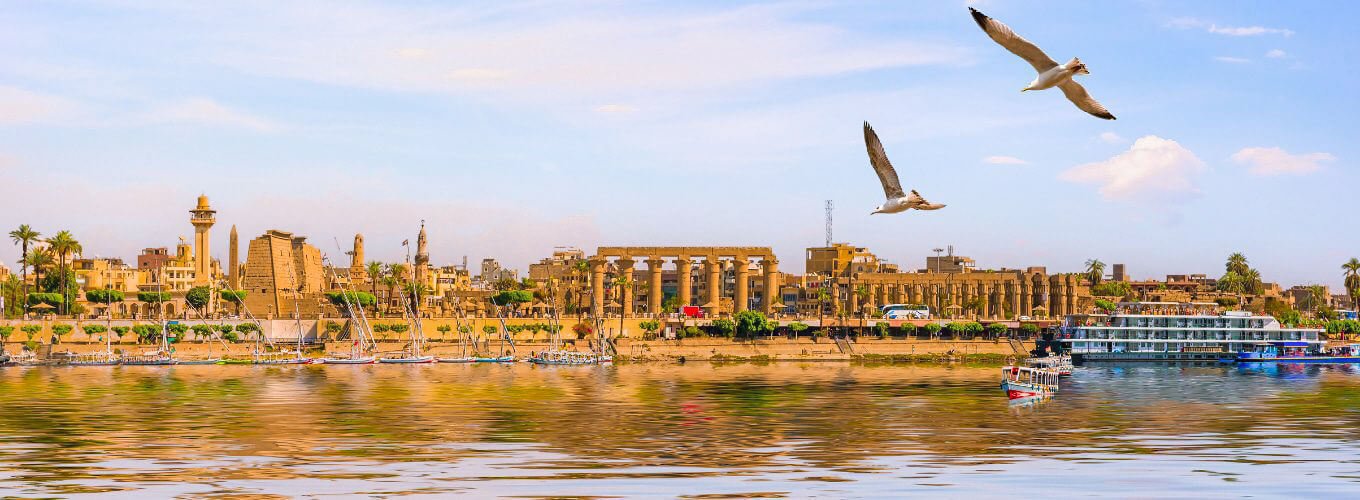
Luxor is a city in southern Egypt built on the ancient site of Thebes, home to the Karnak and Luxor temples, the Valley of the Kings, and Hatshepsut's Temple. First-timers should plan two to three days, split sightseeing between the East and West Banks, and visit early to avoid midday heat.
Welcome to the greatest open-air museum on earth. If you are hunting for a Luxor Travel Guide for First-timers that actually feels like it was written by someone who lives and breathes this city, you have found it. Consider this your friendly, no-nonsense companion for turning a maze of temples, tombs and river sunsets into the trip of a lifetime.
Why Luxor Deserves the Top of Your Egypt List
Cairo has the pyramids, but Luxor has depth. Built on the bones of ancient Thebes, this is where the pharaohs of Egypt’s golden age lived, worshipped and were laid to rest. Roughly a third of the world’s ancient monuments are said to sit within this stretch of the Nile Valley.
What makes Luxor special is how alive the past still feels. You walk the same avenues that priests processed down 3,000 years ago, and you can still read the paint on tomb ceilings. For first-time visitors, it is the single best place in the country to understand what “ancient Egypt” really means.
Getting Your Bearings: The East Bank and West Bank
The Nile splits Luxor into two personalities, and understanding this simple geography will save you a lot of confusion. The ancient Egyptians thought of it in poetic terms, and once you grasp it, the whole city clicks into place.
The East Bank is the land of the living. This is where the sun rises, where the modern town sits, and where you will find your hotels, restaurants, the corniche promenade and the two great temples of Karnak and Luxor.
The West Bank is the land of the dead. This is where the sun sets, and where the pharaohs chose to bury themselves in hidden valleys. The Valley of the Kings, the Valley of the Queens and the great memorial temples all sit over here among green fields and desert cliffs.
When to Visit: Reading Luxor’s Seasons
Timing matters more in Luxor than almost anywhere else in Egypt, because this is a hot, dry, inland city with no sea breeze to soften the afternoons. Choosing the right months can be the difference between a magical trip and a sweaty ordeal.
The comfortable window runs from October through April, with the sweet spot being the cooler months of November to February. Days are pleasantly warm, evenings can be genuinely chilly, and exploring tombs is a joy rather than an endurance test.
Summer, from roughly May to September, brings serious desert heat that can climb well above 40 degrees Celsius. If you visit then, treat the early morning and late afternoon as your only realistic sightseeing windows and hide indoors at midday.
How Long Should You Stay?
One of the most common mistakes first-timers make is trying to “do” Luxor in a single rushed day. The city rewards those who slow down, and there is genuinely more here than most people expect.
- Two days: The realistic minimum. One day for the East Bank temples, one for the West Bank tombs and memorial temples.
- Three to four days: The sweet spot. Add a hot-air balloon ride, a quieter second visit to Karnak, and time to simply sit by the river.
- A week or more: Perfect if you are pairing Luxor with a Nile cruise or using it as a base for day trips to Dendera and Abydos.
If your schedule is tight, weaving Luxor into a wider itinerary of Egypt travel packages lets you balance temples, cities and coastline without feeling like you skipped the best parts.
Karnak Temple: Where Ambition Turned to Stone
If you see only one thing in Luxor, make it Karnak. This is not a single temple but a colossal complex that pharaohs kept adding to for around 2,000 years, each one trying to outdo the last.
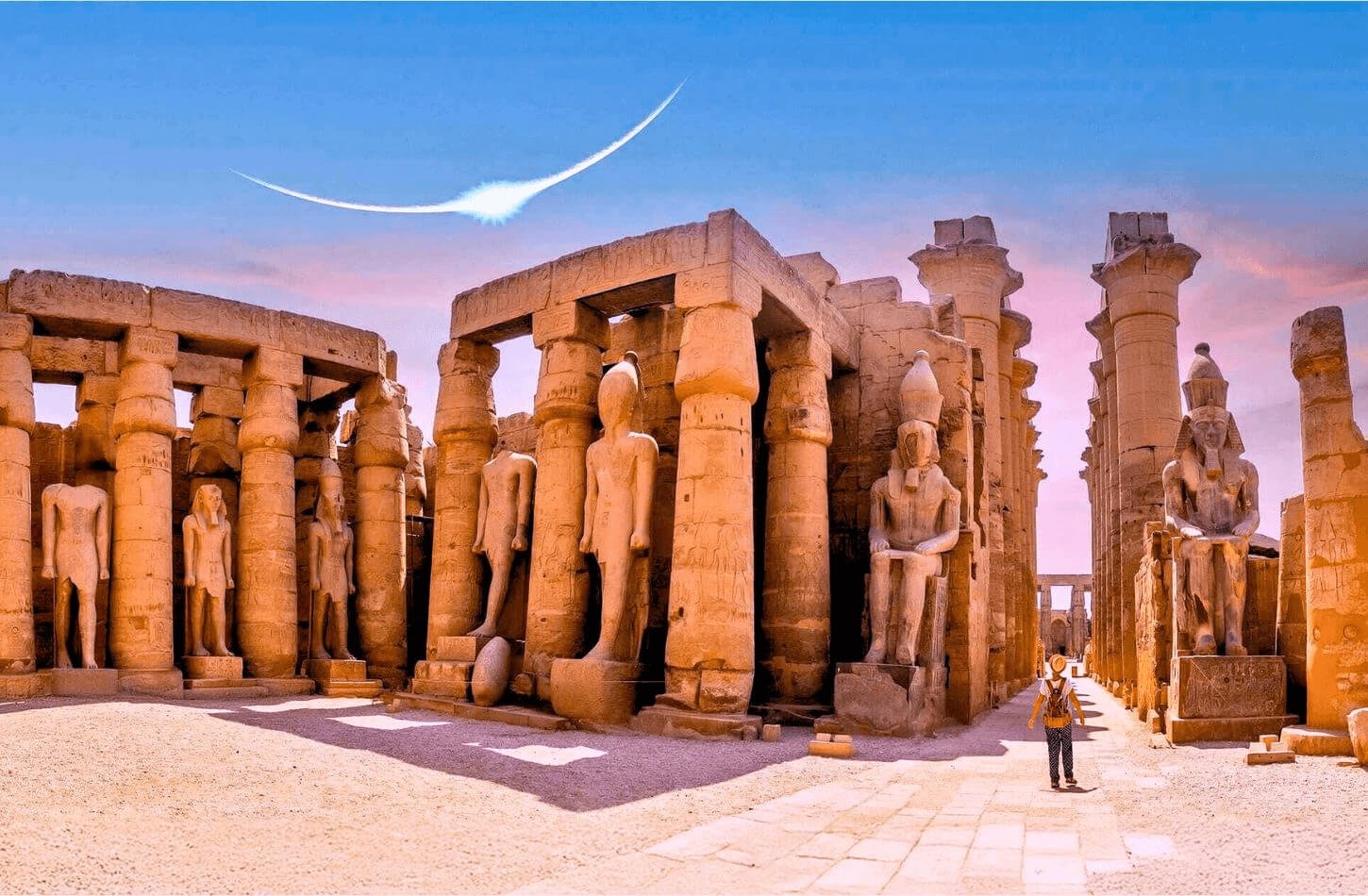
The showstopper is the Great Hypostyle Hall, a forest of 134 gigantic columns so tall and tightly packed that you feel genuinely small walking among them. Go early in the morning to beat both the heat and the tour buses.
A Tip for Appreciating the Scale
Do not just rush through snapping photos. Find a quiet corner, look up at the carved capitals, and remember that these columns were once painted in brilliant colours. A good guide brings the faded stone roaring back to life with stories of the gods it honoured.
Luxor Temple: The City’s Glowing Heart
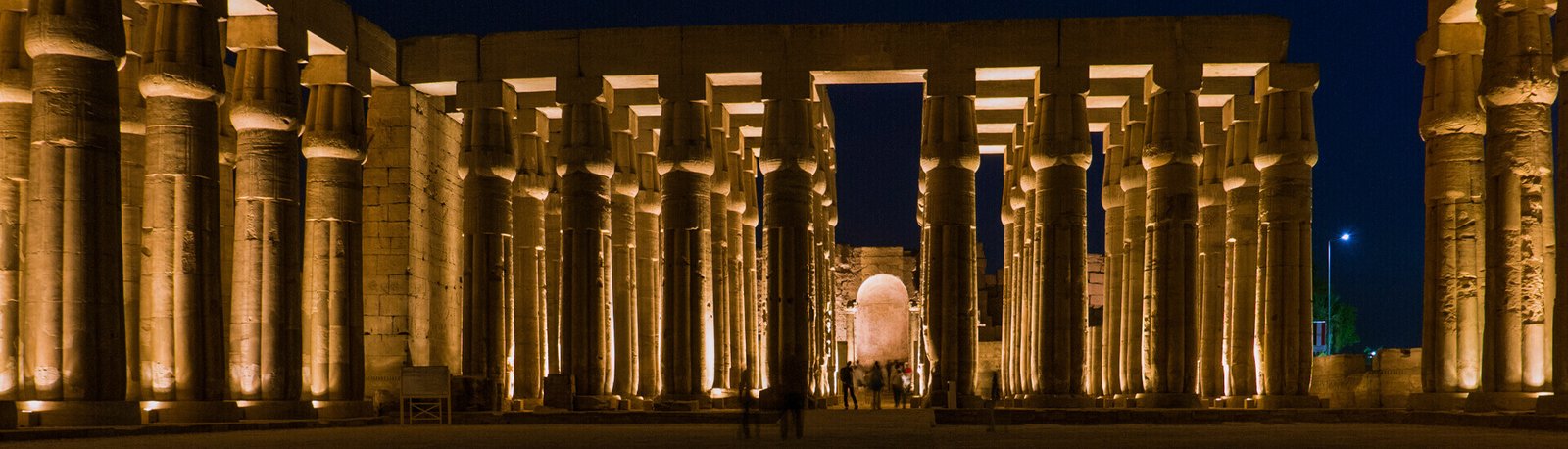
Right in the centre of town sits Luxor Temple, and it is best experienced twice: once by day and once after dark. Unlike sprawling Karnak, this temple is compact, elegant and wonderfully walkable.
Come back in the evening when the whole complex is beautifully floodlit. Watching the towering statues of Ramses II glow golden against a black sky is one of those quiet, unforgettable Luxor moments that no photograph quite captures.
The two temples were once linked by the Avenue of Sphinxes, a nearly three-kilometre processional road lined with hundreds of sphinx statues. Much of it has now been excavated, and you can trace the ancient route between the two great sites on foot.
The Valley of the Kings: Into the Pharaohs’ Underworld
Across the river lies the reason many people come to Luxor in the first place. In this barren desert valley, more than 60 tombs were cut deep into the rock to hide the mummified kings of the New Kingdom, including the boy pharaoh Tutankhamun.
Your standard ticket usually allows entry to three tombs of your choosing, while a few of the most spectacular ones, such as Tutankhamun’s and Seti I’s, require separate tickets. It is worth paying extra for at least one of the great tombs.
Which Tombs Should a First-timer Pick?
Do not stress about picking the “perfect” tombs, as most are genuinely stunning. That said, tombs like those of Ramses IV, Ramses IX and Merneptah are often open, well preserved and blessedly less crowded than the headline names.
- Buy the photo pass if you want to take pictures inside the tombs, as regular tickets often do not include photography.
- Go early. The valley is a sun trap with almost no shade by mid-morning.
- Pace yourself. Three well-chosen tombs beat a breathless sprint through six.
Hatshepsut’s Temple and the Valley of the Queens
Rising out of the cliffs like something carved by a modern architect, the mortuary temple of Queen Hatshepsut is one of Egypt’s most photographed monuments. Its clean terraces and columns feel startlingly contemporary against the raw desert backdrop.
Nearby, the Valley of the Queens holds the tombs of royal wives and children. The jewel here is the tomb of Nefertari, wife of Ramses II, whose vividly painted walls are so exquisite that entry is limited and ticketed separately, but utterly worth it for art lovers.
The Colossi of Memnon and Hidden West Bank Gems
On the road into the West Bank, two enormous seated statues loom beside the fields. These are the Colossi of Memnon, the last surviving guardians of a vast, long-vanished memorial temple. They make a quick but atmospheric photo stop.
Serious history fans should also seek out the Ramesseum, the memorial temple of Ramses II, and Medinet Habu, whose deep-cut carvings still hold traces of their original colour. These sites see a fraction of the crowds and reward anyone willing to explore beyond the highlights.
Floating Above It All: The Hot-Air Balloon Experience
If there is one splurge worth making in Luxor, it is drifting over the West Bank at dawn in a hot-air balloon. As the sun lifts over the Nile, you float above temples, tombs and emerald fields in near silence.
Flights launch very early, usually before sunrise, so you will be collected from your hotel in the dark. Bring a light jacket, as it can be cool aloft, and book through a reputable operator with a strong safety record.
Cruising the Nile from Luxor
Luxor is the classic starting or finishing point for a Nile cruise, and pairing the two is one of the smartest moves a first-timer can make. Instead of backtracking, you glide gently between Luxor and Aswan, stopping at riverside temples along the way.
A typical cruise takes you to Edfu and Kom Ombo, two beautifully preserved temples that are awkward to reach any other way. Browse the options for an Egypt Nile cruise to see how the classic three- and four-night sailings are structured.
The magic of a cruise is the pace. You watch village life, palm groves and grazing water buffalo drift past your deck, exactly as travellers have done for thousands of years.
Combining Luxor with Aswan and Beyond
Few people visit Luxor in isolation, and for good reason. Just a few hours south, the relaxed city of Aswan offers a softer, more Nubian flavour of Egypt, with granite islands, feluccas and the majestic temple of Philae.
Many travellers use Luxor as a springboard to explore Aswan tours and the great temple of Abu Simbel further south. Others pair it with the capital, so a well-planned run of Luxor tours slots neatly into a broader Egyptian adventure.
Getting to Luxor: Your Transport Options
Reaching Luxor is easier than many first-timers expect, with several routes depending on your budget and time.
- By air: The fastest option. Domestic flights from Cairo take around an hour and land at Luxor International Airport, just outside town.
- By overnight train: A characterful choice. Sleeper trains run from Cairo and Giza, letting you wake up in Luxor having saved a night’s hotel cost.
- By Nile cruise: Arrive in style by boat from Aswan, turning the journey itself into part of the holiday.
Once you are in the city, getting around is straightforward on foot along the corniche, by taxi, or by a short and scenic ferry hop across to the West Bank.
Where to Stay for Your First Visit
Your choice of base shapes the whole trip. Most first-timers do best on the East Bank, close to the restaurants, the temples and the lively corniche, with a river view if the budget stretches.
The West Bank is quieter and more rural, favoured by return visitors and archaeology buffs who want to wake up beside the tombs. It is peaceful and charming, but you will rely on ferries and taxis to reach the town’s nightlife and dining.
Eating and Drinking Like a Local
Luxor’s food scene is hearty, affordable and genuinely delicious once you know what to order. Skip the bland tourist menus and go for the real thing.
- Koshari: Egypt’s beloved comfort dish of rice, pasta, lentils and crispy onions in a spiced tomato sauce.
- Tagen: A slow-cooked clay-pot stew, often with chicken, vegetables or okra, best enjoyed with fresh flatbread.
- Fresh juice and karkade: Cool hibiscus tea, served hot or iced, is the perfect antidote to a temple-filled day.
Round off the evening with a mint tea at a riverside café and watch the feluccas catch the last of the light. It is the sort of slow pleasure Luxor does best.
Costs, Tickets and Money Tips
Luxor is very good value by international standards, but the entry tickets do add up because there are so many sites you will want to see. A little planning keeps things smooth.
Consider the Luxor Pass if you plan to visit many sites, as it can bundle major attractions and the extra-ticket tombs together. Carry small notes of local currency for tickets, ferries and tips, since card payments are not accepted everywhere.
Tipping, known locally as baksheesh, is woven into daily life. A few small notes for helpful staff, drivers and guides is customary and always appreciated, though never obligatory for poor service.
Staying Comfortable, Safe and Respectful
Luxor is a welcoming and generally very safe city for tourists, but a few sensible habits will make everything easier. The heat and the sun are your biggest genuine challenges, not safety.
- Hydrate relentlessly and carry more water than you think you need, especially in the tombs and open temples.
- Dress modestly and coolly. Light, loose clothing that covers shoulders and knees respects local custom and protects you from the sun.
- Wear sturdy shoes. Ancient stone is uneven, and the Valley of the Kings involves plenty of walking on rubble.
A gentle, good-humoured “no thank you” handles persistent souvenir sellers, and agreeing any taxi or caleche fare before you set off avoids awkward surprises at the end.
Handling the Hassle Factor with a Guide
Let us be honest: independent temple-hopping in Luxor can involve a fair amount of haggling, negotiating and figuring out logistics in the heat. For a first visit, a knowledgeable local guide transforms the experience.
A good guide does more than recite dates. They read the hieroglyphs on the walls, point out the details you would walk straight past, and quietly handle tickets, transport and the occasional overenthusiastic vendor.
If you would rather someone shaped the whole trip around your interests and pace, our tailor-made Egypt tours let you build an itinerary that fits exactly how you like to travel, whether that is dawn balloons or slow afternoons by the river.
A Simple First-timer’s Itinerary
To pull it all together, here is a relaxed three-day framework you can adapt. It balances the big hitters with a little breathing room.
- Day one: Karnak Temple in the cool of the morning, a lazy lunch, then Luxor Temple after dark when it is beautifully lit.
- Day two: An early West Bank day covering the Valley of the Kings, Hatshepsut’s Temple and the Colossi of Memnon, finishing with a felucca sail at sunset.
- Day three: A dawn balloon flight, then quieter sites like Medinet Habu, or begin a Nile cruise south towards Aswan.
Travellers arriving from the capital often stitch this together with a couple of Egypt day trips at either end, making the most of every hour on the ground.
Your Adventure Starts Here
Luxor is not a place you simply tick off a list. It is a place that gets under your skin, where 3,000-year-old paint still glows, the river still carries feluccas, and every column has a story if you know how to listen. Approached with a little planning and an open heart, it becomes the highlight of any Egyptian journey.
We hope this first-timer’s guide has taken the guesswork out of your trip and left you excited rather than overwhelmed. When you are ready to turn these plans into reality, the team at Daily Pyramids Tours would love to help you craft a Luxor experience that is smooth, personal and unforgettable. Come explore our Luxor tours and let us walk the land of the pharaohs together.
Ready to Experience Egypt for Yourself?
Let our local experts turn these ideas into an unforgettable journey — guided, seamless, and tailored entirely around you.

