
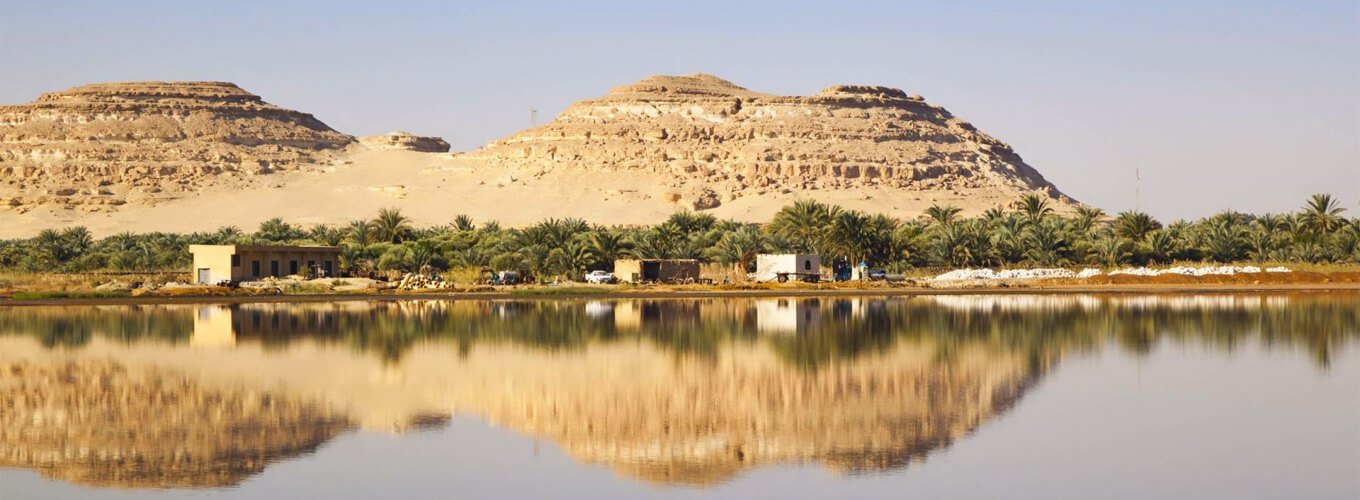
Siwa Oasis is a remote desert town in northwestern Egypt, about 560 km from Cairo near the Libyan border, famous for saltwater lakes, natural springs, ancient ruins, and Berber culture. This Siwa Oasis travel guide covers how to get there, top sights, and the best time to visit.
Tucked away in the far northwest of Egypt, where the Great Sand Sea rolls towards the Libyan border, sits one of the most bewitching places I have ever had the privilege to call a regular haunt. This Siwa Oasis Travel Guide is my invitation to you: come discover a pocket of Egypt that feels utterly unlike the rest, a green world of date palms, salt lakes and mud-brick history where time slows to the rhythm of the desert. If you crave somewhere authentic, unhurried and quietly magical, Siwa will steal a piece of your heart.
Why Siwa Feels Like a Different Country Entirely
Most travellers arrive in Egypt for the pyramids and the Nile, and rightly so. But Siwa is the country’s best-kept secret, a remote oasis that has cultivated its own culture, language and pace over centuries of isolation.
The Siwans are predominantly Amazigh (Berber), and they speak Siwi, a Berber tongue you will hear nowhere else in Egypt. That cultural distinctiveness colours everything, from the food on your plate to the way homes are built from a curious salt-and-mud mixture called kershef.
Standing among the palm groves at dusk, listening to birdsong instead of traffic, you quickly understand why writers and wanderers have long been drawn here. Siwa does not shout for attention. It simply waits, quietly, for those willing to make the journey.
Getting to Siwa: The Long Road Worth Taking
Let me be honest with you from the start: Siwa is not a quick day trip. Its remoteness is precisely what has preserved its charm, so reaching it takes planning and a little patience.
The most common route is by road from the Mediterranean city of Marsa Matrouh, roughly a four-hour drive through open desert. Marsa Matrouh itself is reached from Cairo or Alexandria, either by long-distance bus or private car.
Here is how I usually recommend structuring the approach:
- From Cairo: An overnight or early bus to Marsa Matrouh, then onward to Siwa, or a private vehicle for comfort and flexibility.
- From Alexandria: A shorter coastal leg to Marsa Matrouh before the desert stretch, which pairs beautifully with a stop on our Alexandria day tours.
- Private transfer: The most relaxing option, letting you break the drive and soak up the scenery at your own tempo.
Because the logistics can feel daunting, many of our guests fold Siwa into a wider itinerary through one of our tailor-made Egypt tours, so the journey is handled seamlessly from door to oasis.
The Best Time to Visit This Desert Sanctuary
Timing genuinely matters in Siwa, more so than in Egypt’s coastal or riverside destinations. This is a desert oasis, and the climate swings hard between the seasons.
The sweet spot runs from October through April, when daytime temperatures are pleasant and the evenings carry a crisp, star-filled coolness. This is when desert excursions, salt-lake swims and long palm-grove walks feel their most rewarding.
Summer, roughly May to September, brings fierce heat that can make midday activities exhausting. If you do come in the warmer months, plan your outings for early morning and late afternoon, and rest during the blazing hours as the locals do.
A Note on the Date Harvest
If you can time your visit for the autumn date harvest, do it. The groves come alive, the markets overflow with fresh fruit, and you witness a tradition that has sustained Siwa for generations.
The Oracle Temple and Alexander’s Legendary Pilgrimage
No Siwa Oasis travel guide would be complete without the story that put this place on the ancient map. Perched on the ruins of Aghurmi village stands the Temple of the Oracle, dedicated to the god Amun.
In 331 BC, Alexander the Great crossed hundreds of kilometres of unforgiving desert to consult this very oracle. Legend holds that the priests confirmed his divine parentage, cementing his belief in his own destiny.
Wandering the weathered stone chambers today, with the palm sea stretching below, you feel the weight of that history. It is a humbling reminder that even the mightiest conqueror of the ancient world was drawn to this distant corner of the earth.
If temples and pharaonic wonders are your passion, Siwa pairs wonderfully with the grand monuments you will find on our Luxor tours, where the scale of ancient Egypt reaches its dazzling peak.
Floating in the Salt Lakes: Siwa’s Natural Spa
One of my favourite things to do in Siwa is also one of the simplest. Scattered around the oasis are extraordinary salt lakes, their turquoise waters so dense with minerals that you float effortlessly, just as you would in the Dead Sea.
The sensation is delightfully strange. You lie back, and the water simply holds you, while crystalline white salt formations glitter along the shoreline like frozen coral.
A few practical tips from experience:
- Avoid shaving the day before, as the salt will remind you of every nick.
- Bring fresh water and towels to rinse off afterwards, since the salt dries tight on the skin.
- Wear water shoes, because the salt crystals can be sharp underfoot.
- Go at sunrise or late afternoon for the softest light and gentlest temperatures.
Many locals swear by the therapeutic properties of these waters for skin and joints. Whether or not you believe the folklore, an hour spent floating under the desert sky is pure restoration.
Cleopatra’s Bath and the Springs of Siwa
Fed by natural underground springs, Siwa is dotted with clear pools where you can swim in gently warm, mineral-rich water. The most famous is Cleopatra’s Spring, a circular stone pool ringed by palms and small cafes.
Despite the romantic name, there is no firm evidence the Egyptian queen ever bathed here, but the setting is so idyllic that few visitors mind the poetic licence. It is a lovely spot to cool off, sip mint tea and watch oasis life drift by.
Some of the springs are better suited to a quiet dip than others, so it is worth asking your guide or host which are most comfortable and appropriate for a relaxed swim.
Shali Fortress: A City Built From Salt and Mud
Rising above the modern town are the crumbling ramparts of Shali, the old fortified settlement that was the heart of Siwa for around eight centuries. Built from kershef, that ingenious mix of salt rock and clay, it once sheltered the entire community behind its labyrinthine walls.
Heavy, unusual rains in the early twentieth century gradually dissolved much of the structure, since salt buildings and water are poor companions. What remains is a hauntingly beautiful maze of golden-brown alleyways and half-melted towers.
Climb to the top at sunset. The view over the palm groves, the salt lakes glinting in the distance and the great dunes beyond is, quite simply, one of the finest panoramas in all of Egypt.
Into the Great Sand Sea: Desert Adventures
Beyond the greenery of the oasis lies the Great Sand Sea, an immense expanse of towering dunes that ranks among the largest dune fields on the planet. This is where Siwa turns from tranquil retreat to thrilling adventure.
A desert safari here is unforgettable. Skilled local drivers take you bouncing over the dunes in sturdy 4x4s, pausing at hidden spots for sandboarding down the slopes and for that essential moment of silence in the vast emptiness.
Sunset in the Dunes
The classic Siwa experience is a late-afternoon safari that ends with sunset over the Sand Sea. As the light softens and the dunes glow amber, then rose, then violet, you understand why the desert has captivated travellers for millennia.
Many trips include hot springs tucked among the sands, some cool and refreshing, others surprisingly warm, where you can soak as the first stars appear. If you love this kind of raw landscape, you will also enjoy the coastal desert scenery around our Hurghada tours on the Red Sea.
Fossils, Mountains and the Island of Fatnas
Siwa rewards the curious with smaller wonders too. Gebel al-Mawta, the Mountain of the Dead, is honeycombed with ancient rock-cut tombs, some still bearing faded but lovely painted decorations from Greco-Roman times.
Fatnas Island, reached by a narrow palm-lined causeway across a salt lake, is the postcard-perfect place to watch the sun sink. Locals gather here in the evenings, and the reflection of the sky on the still water is genuinely spellbinding.
Keep your eyes on the ground as you explore, too. The desert around Siwa was once an ancient seabed, and marine fossils can still be spotted embedded in the rock, a quiet reminder of just how deep this land’s history runs.

Tasting Siwa: Dates, Olives and Berber Flavours
Siwan food is honest, seasonal and deeply tied to the land. The oasis is famous across Egypt for its dates and olives, and you will find both woven into nearly every meal.
Expect hearty tagines, freshly baked bread, garden vegetables and slow-cooked meat dishes seasoned with a distinctly local touch. The dates here are extraordinary, plump and honeyed, and the cold-pressed olive oil is some of the best in the country.
A few things worth seeking out:
- Fresh Siwan dates, eaten straight from the palm during harvest season.
- Local olive oil and olives, which make wonderful gifts to carry home.
- Traditional herbal and mint teas, served generously and often.
- Rooftop dinners, where many guesthouses serve simple, delicious home cooking under the stars.
Respecting Siwan Culture and Customs
Siwa is more conservative and traditional than Egypt’s larger cities and beach resorts, and part of being a good guest is honouring that. A little sensitivity goes a long way and is warmly appreciated by the community.
Dress modestly, particularly away from the guesthouse pools, with shoulders and knees covered for both men and women. Always ask before photographing people, and be especially mindful around local women.
The Siwans are gracious and welcoming hosts, and small gestures of respect open doors to genuine, memorable encounters. Learn a word or two of greeting, accept the tea when it is offered, and let the slow rhythm of oasis hospitality carry you.
Handmade Crafts and Souvenirs
Siwan women are renowned for their intricate embroidery and silverwork, and the local handicrafts make far more meaningful keepsakes than mass-produced trinkets. Look for embroidered garments, woven baskets and traditional silver jewellery, each carrying the distinctive geometric motifs of the oasis.
Where to Stay: From Eco-Lodges to Simple Guesthouses
Accommodation in Siwa leans towards the charming and understated rather than the luxurious, which suits the destination perfectly. The most celebrated options are eco-lodges built from traditional kershef, using natural materials, candlelight and open desert design.
Staying in one of these lodges is an experience in itself, blurring the line between shelter and landscape. For those on a tighter budget, friendly family-run guesthouses in town offer clean, comfortable rooms and heartfelt hospitality.
Whatever you choose, book ahead during the busy autumn and winter months, as the best places fill quickly. If you would like us to arrange the ideal base for your stay, it can be built into any of our Egypt travel packages.
How Many Days Do You Really Need?
People often ask me how long to spend in Siwa, and my honest answer is: more than you think. Because reaching the oasis takes real effort, a rushed overnight simply does not do it justice.
I recommend a minimum of two full days, and ideally three to four. That gives you time to explore the temples and Shali, float in the salt lakes, venture into the Great Sand Sea and, crucially, simply slow down and absorb the atmosphere.
Siwa is not a place to tick off a checklist. Its magic lives in the unhurried moments, the second cup of tea, the extra hour watching the sunset, the quiet walk through the palms at dawn.
Fitting Siwa Into Your Wider Egypt Journey
Because of its remote location, Siwa works best as part of a thoughtfully planned itinerary rather than a standalone dash. The good news is that it pairs beautifully with Egypt’s headline experiences.
A classic route begins in the capital, exploring the pyramids and museums on our Cairo tours, before heading northwest to the coast and the oasis. From there, many travellers loop back to sail the river on a timeless Nile cruise between the great temple cities of the south.
This way, you experience the full sweep of the country: ancient monuments, living traditions, the mighty Nile and the serene, singular world of Siwa. It is, in my view, one of the most rewarding ways to see Egypt.
Practical Tips for a Smooth Siwa Trip
A handful of final pointers will help your visit go smoothly. Siwa is remote, so a little preparation makes all the difference.
- Carry cash, as card facilities are limited and unreliable in the oasis.
- Pack layers, because desert nights can turn genuinely cold, especially in winter.
- Bring sun protection, including a hat, sunglasses and high-factor sunscreen.
- Rent a bicycle, the classic and delightful way locals and visitors get around town.
- Go with a trusted guide for desert excursions, since the Sand Sea is no place for the inexperienced.
Above all, arrive with an open, patient spirit. Siwa moves at its own pace, and the travellers who embrace that rhythm are the ones who fall most deeply under its spell.
Final Thoughts: The Oasis That Stays With You
Siwa is not the easiest place in Egypt to reach, and that is exactly why it remains so special. It offers something increasingly rare: a destination that feels genuinely undiscovered, rooted in a living culture and wrapped in staggering natural beauty.
From Alexander’s oracle to the floating salt lakes, from the melting walls of Shali to the endless dunes of the Great Sand Sea, this is a place that rewards the curious and the patient in equal measure. I hope this guide has stirred your longing to see it for yourself.
When you are ready to turn that longing into a journey, the team at Daily Pyramids Tours would be delighted to help you weave Siwa into an unforgettable Egyptian adventure. Explore our range of experiences, from classic Aswan tours to bespoke desert escapes, and let us craft a trip built entirely around what you love. The oasis is waiting, and its secrets are yours to uncover.
Ready to Experience Egypt for Yourself?
Let our local experts turn these ideas into an unforgettable journey — guided, seamless, and tailored entirely around you.

