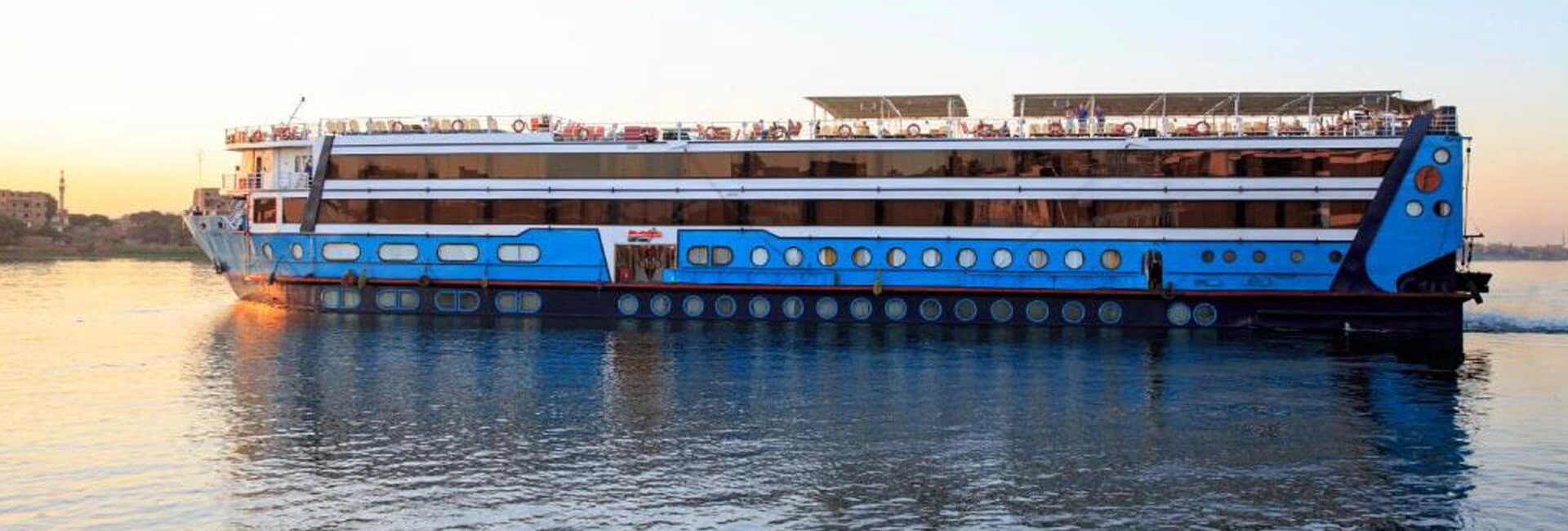
Let the Nile do the driving. Aboard the Lady Mary, a poised floating hotel plying the waters between Luxor and Aswan, mornings begin with mud-brick villages and date palms sliding past the porthole and end with the desert flushing pink at sundown. Between those slow, cinematic hours you step ashore for the greatest hits of pharaonic Egypt: the forest of columns at Karnak, the painted tombs of the Valley of the Kings, the twin altars of Kom Ombo lit by the last of the day, and the almost intact sanctuary of Edfu. Back on board, a broad sun deck, unhurried meals and quietly attentive service turn the return journey into part of the sightseeing. Book your Lady Mary voyage with Daily Pyramids Tours.
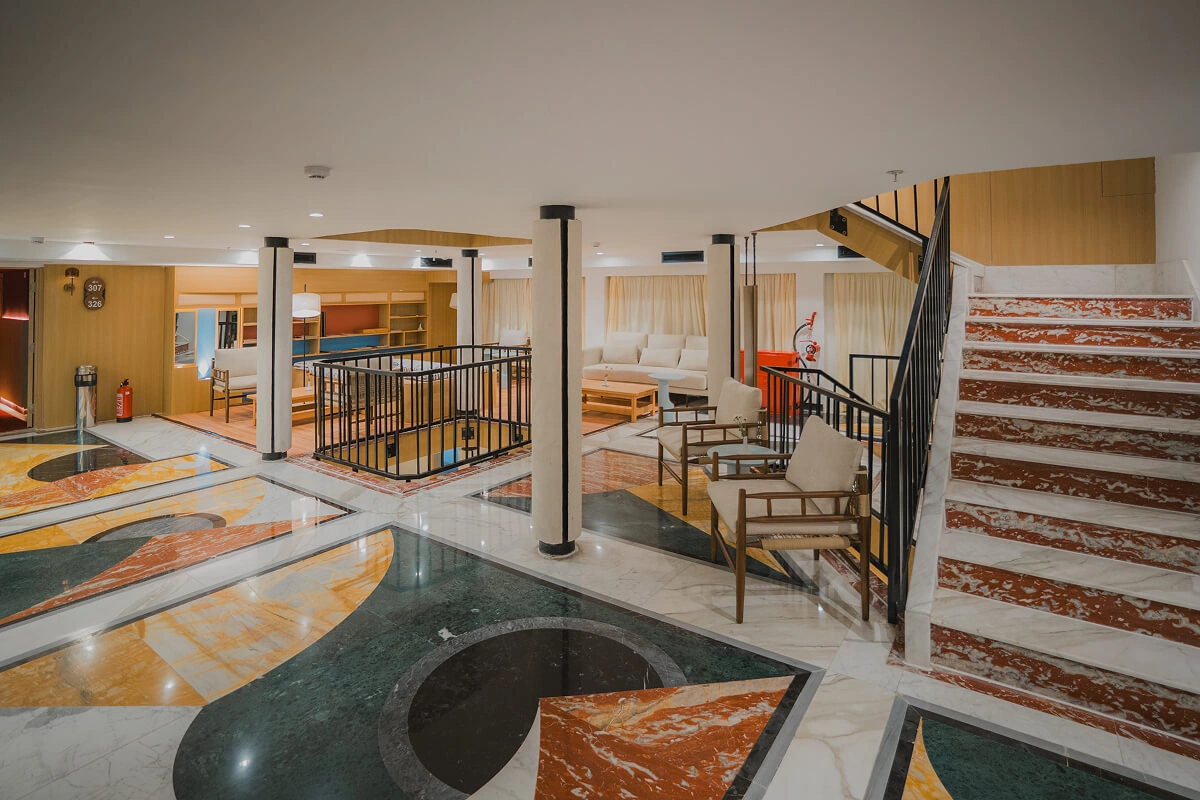
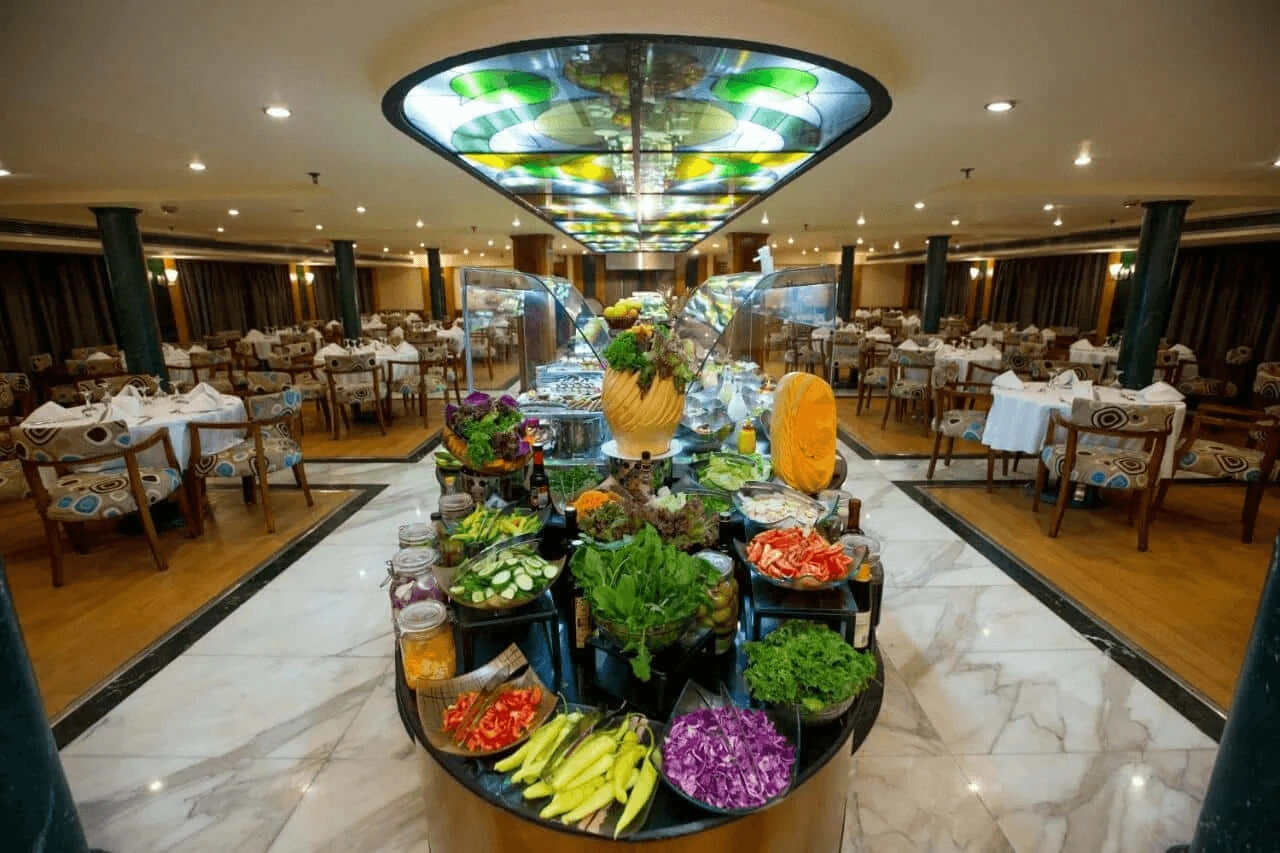
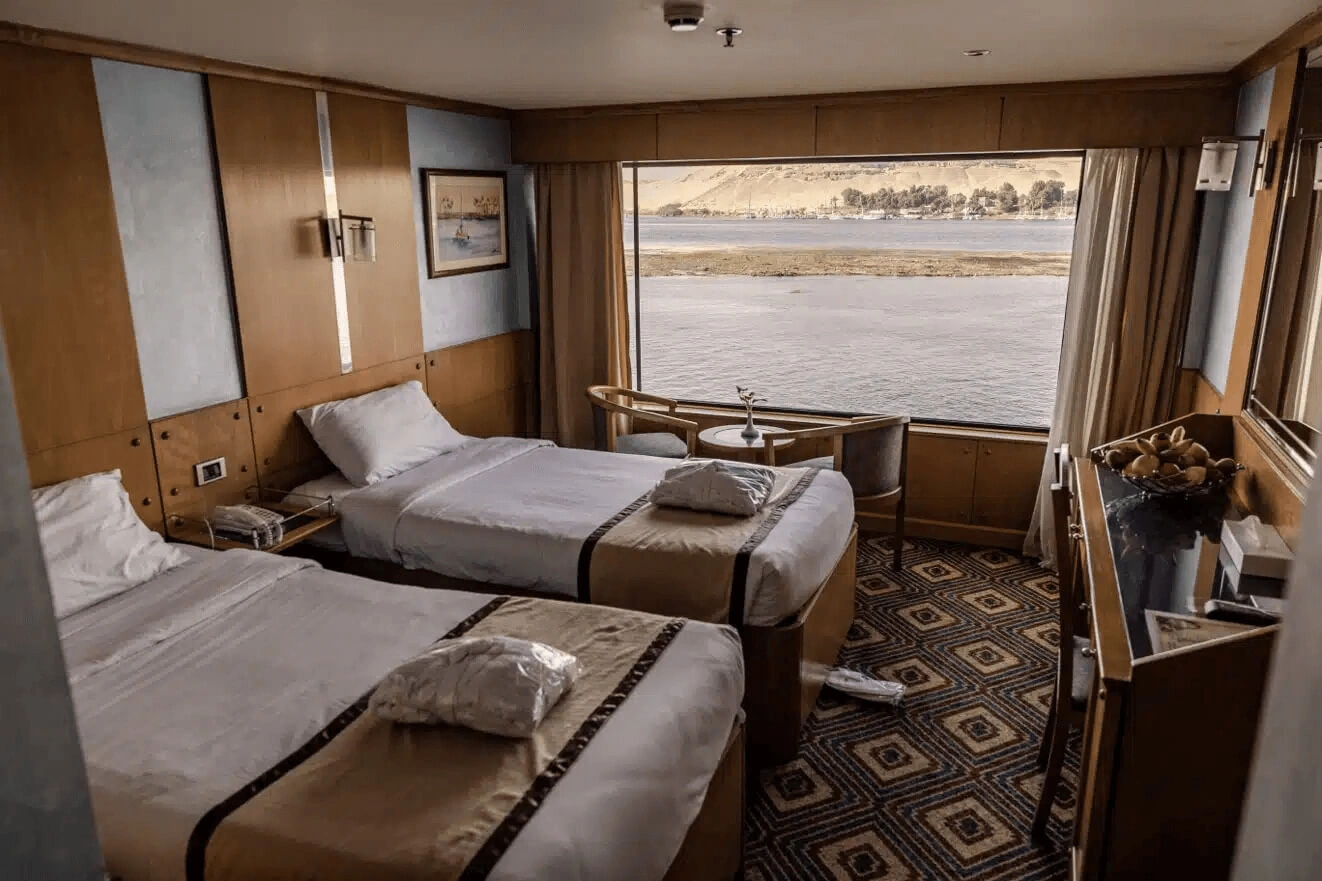
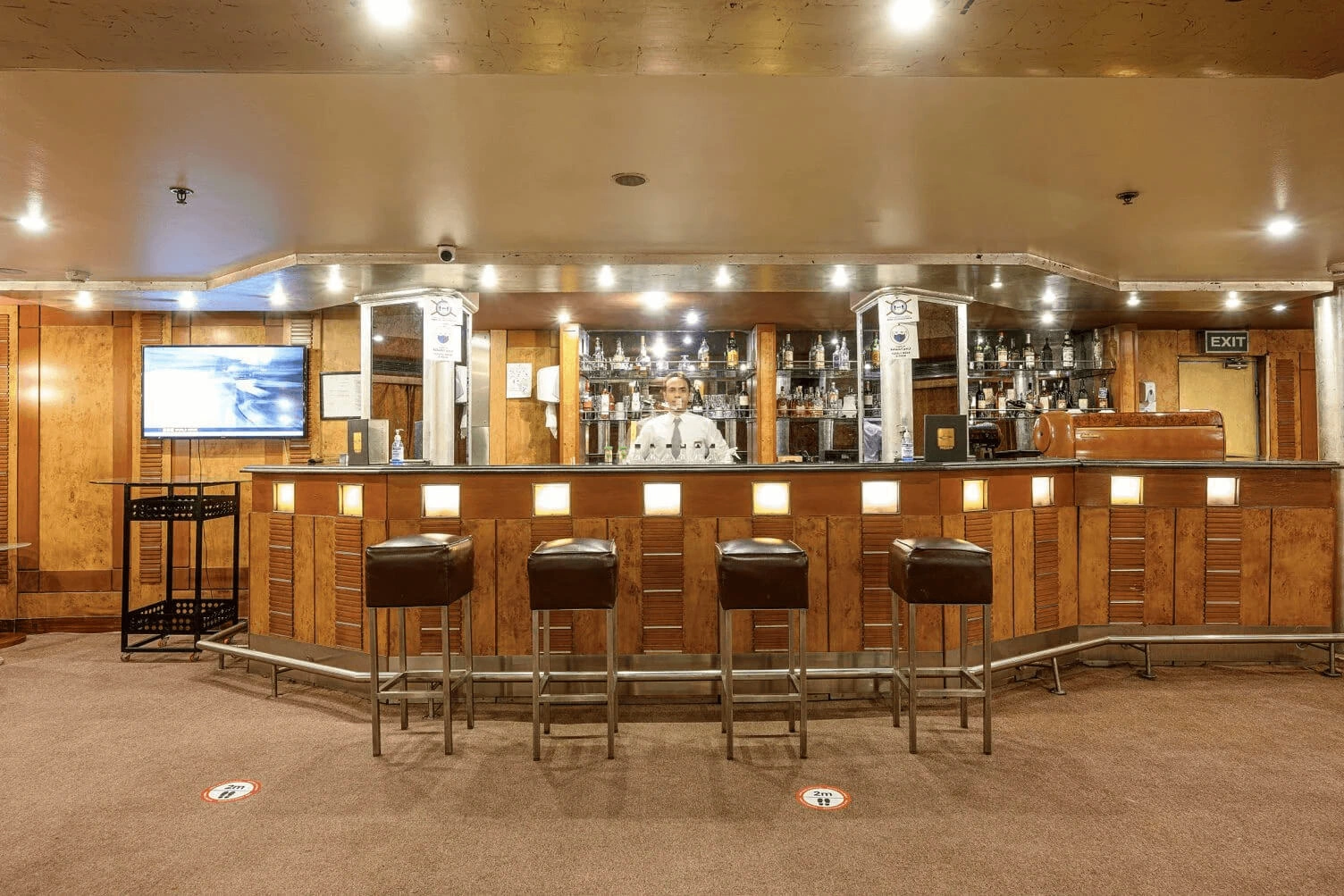
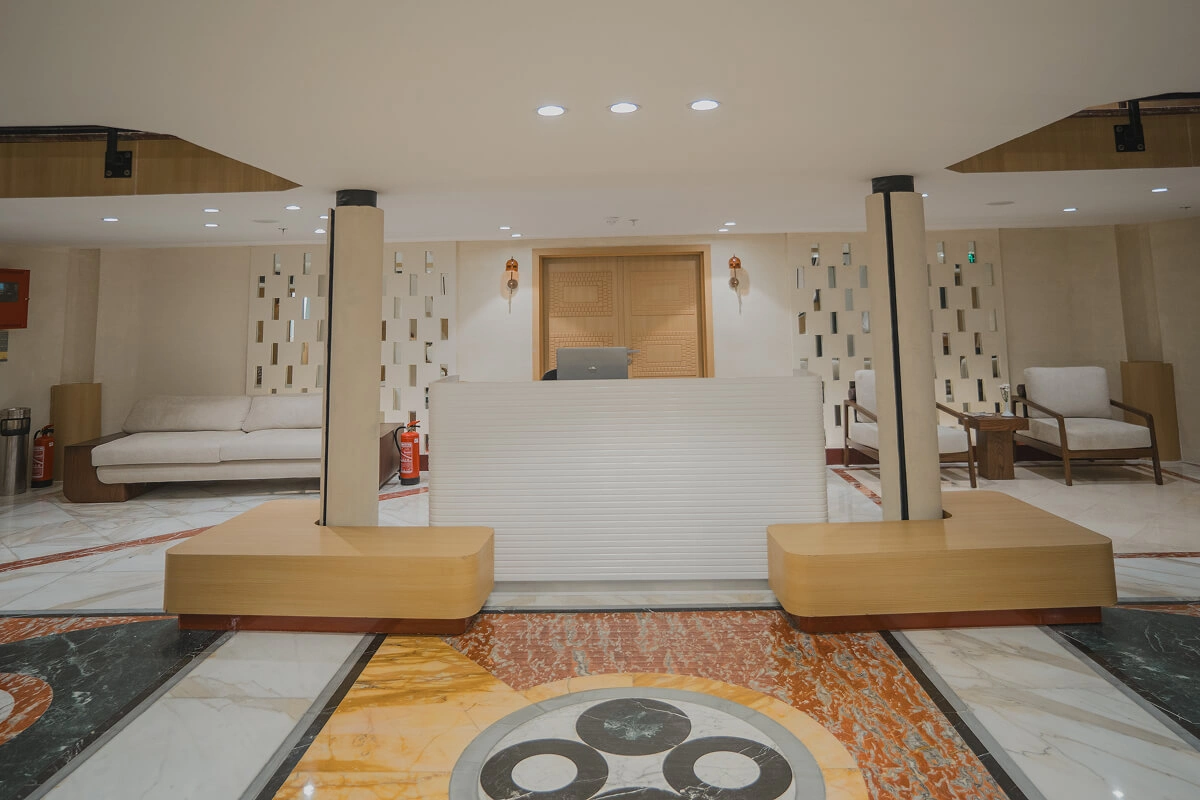
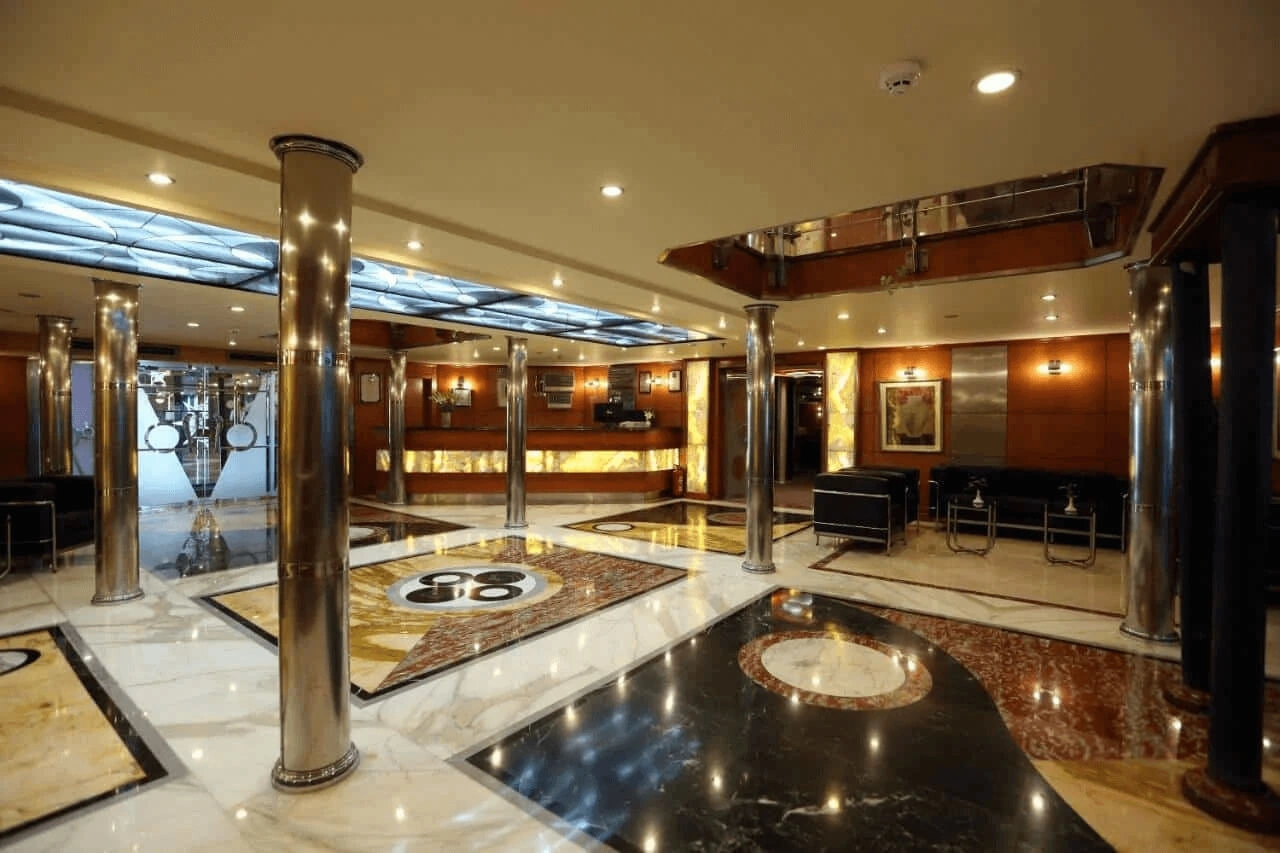
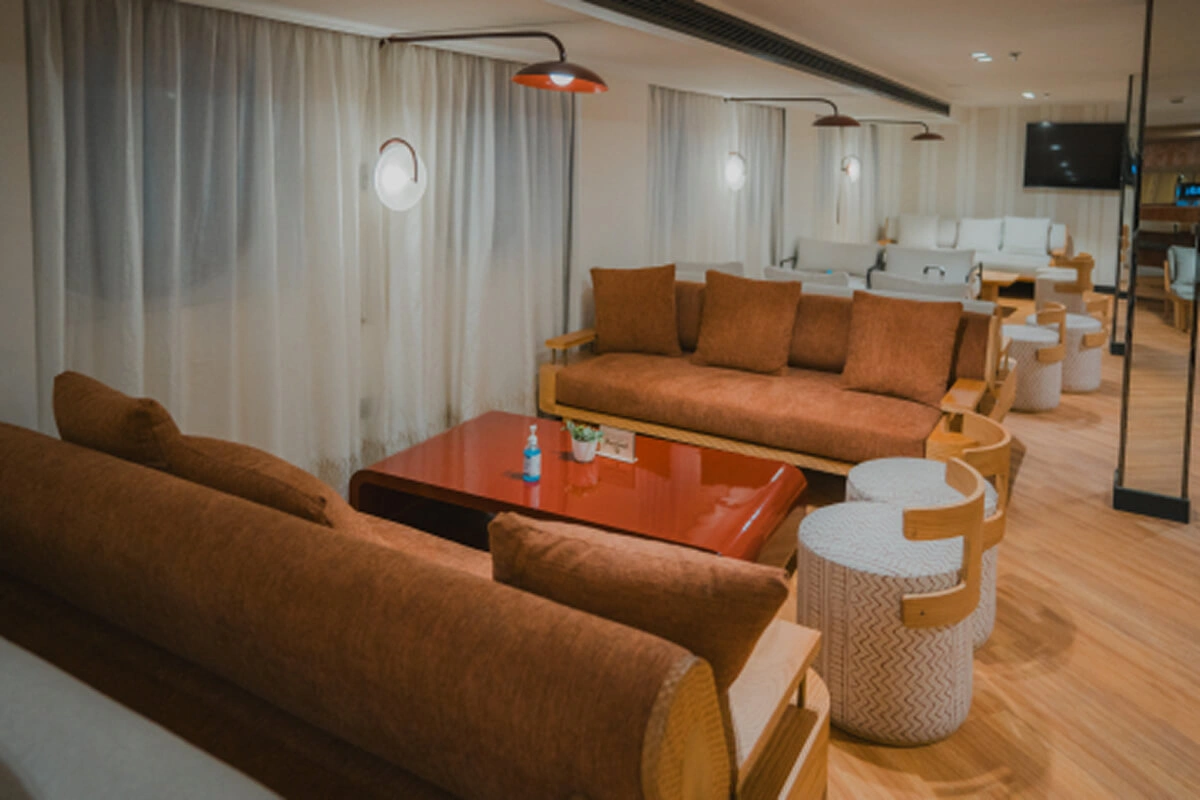
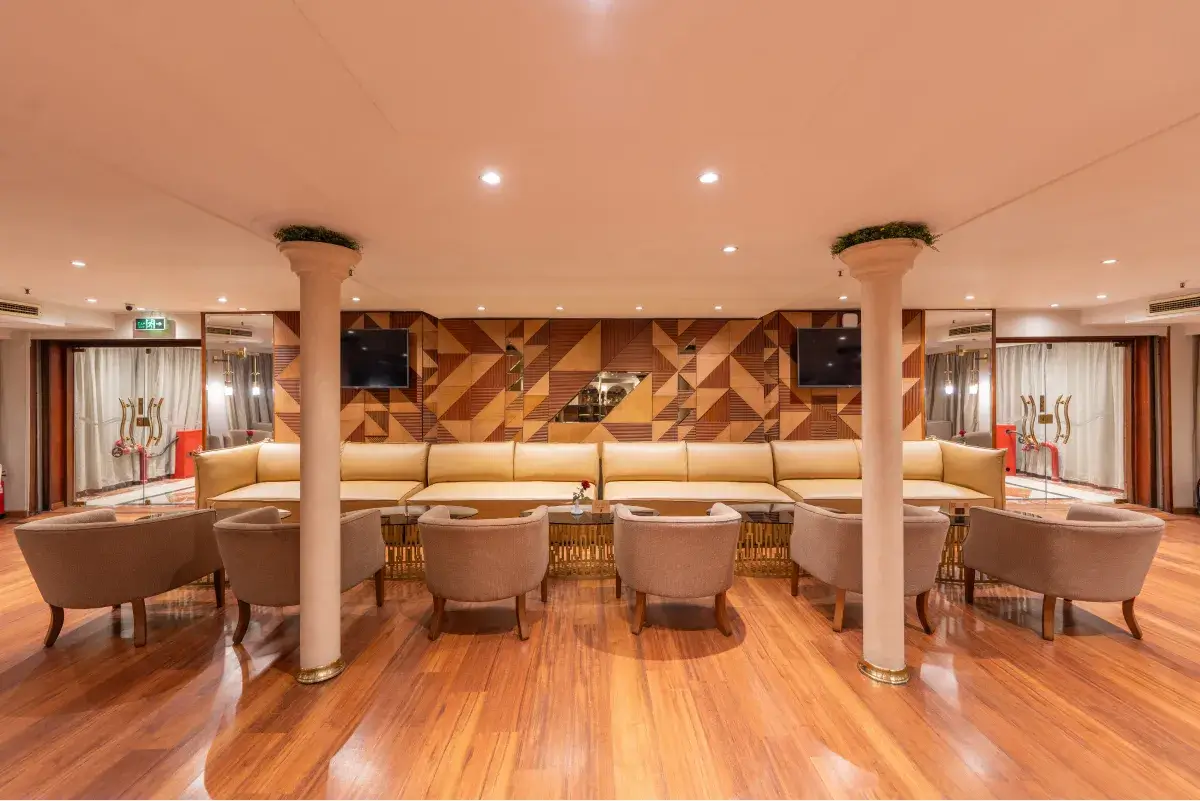
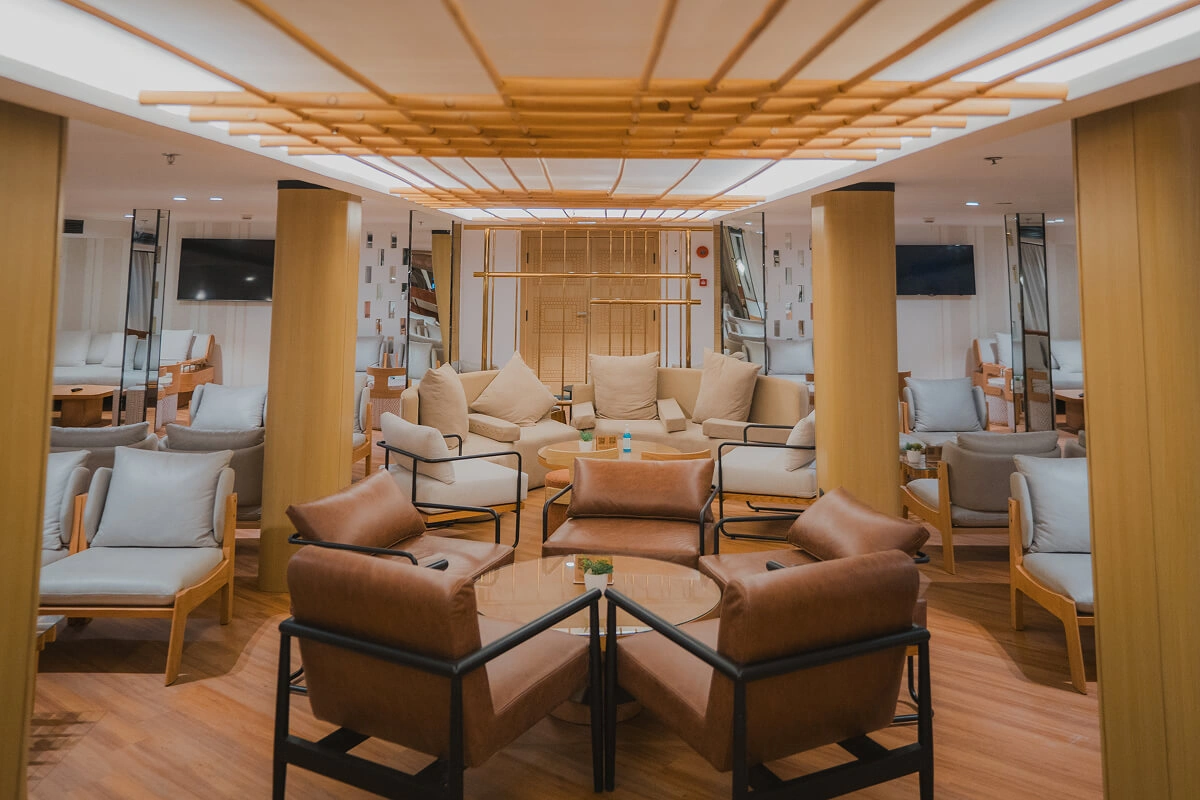
The Lady Mary Nile Cruise pairs easy, contemporary comforts with generously proportioned cabins and a full complement of onboard facilities, so the hours between temple visits feel as considered as the sightseeing itself. It is a ship built for restful cruising between Luxor and Aswan, keeping every practical need within reach as the river carries you south.
Day 1: Arrival in Aswan – Aswan City Tour
A representative greets you at Aswan Airport, or at your hotel, and stays with you through the afternoon. Settling into a private air-conditioned car, you head first to the High Dam, the twentieth-century colossus that tamed the Nile’s annual flood and, in doing so, rescued a whole chain of Nubian monuments from disappearing beneath the rising water.
From there it is a short drive to the Unfinished Obelisk, still lying half-carved in the granite quarry where a hairline fracture forced its ancient sculptors to abandon it — a rare, unfiltered look at how these giants were hewn from the bedrock.
A motorised felucca then ferries you across the water to Philae Temple, the island shrine of Isis, painstakingly moved block by block to Agilkia when Lake Nasser threatened to drown it. If time allows, a short sail around Elephantine Island and the First Cataract reveals the tumble of granite boulders that give Aswan its distinctive river landscape.
Lunch is taken at a local restaurant before you head to the pier to board your Nile cruise and check in. Dinner is served on board, and you spend the night moored in Aswan.
Meals: Lunch – Dinner
Day 2: Kom Ombo & Sailing to Edfu
After breakfast on board, a private vehicle takes you roughly 45 km north to Kom Ombo, where one of Egypt’s most unusual temples waits on the riverbank. Uniquely, the Temple of Kom Ombo is a mirror-image sanctuary, its plan split down the middle to honour Sobek, the crocodile god, on one side and Haroeris, a form of Horus, on the other.
You walk through both halves — twin sanctuaries, matching hypostyle halls and ritual chambers — before stepping into the small Crocodile Museum next door, home to the mummified crocodiles unearthed in the temple’s precinct.
After lunch at a local restaurant, you rejoin the ship as it casts off for Edfu. The afternoon slips by on deck, with sugarcane fields, riverside hamlets and sandstone bluffs providing a slow-moving portrait of Upper Egypt.
An onboard briefing sets up tomorrow’s visit, and the vessel ties up overnight at Edfu.
Meals: Breakfast – Lunch – Dinner
Day 3: Edfu Temple & Arrival in Luxor
Following breakfast, a horse-drawn carriage clatters you through the streets of Edfu to the Temple of Horus — the best-preserved of all Egypt’s ancient temples.
Beyond the towering pylons lie vast columned halls and finely cut reliefs telling the mythological duel between Horus and Seth alongside detailed Ptolemaic rituals. Because the building survived so intact, you can walk almost every level of its original architecture, all the way up to the rooftop terraces.
Back on the ship, the cruise continues north towards Luxor, with lunch served as you sail.
On arrival you visit Luxor Temple on the East Bank, a sanctuary layered by centuries of royal ambition, from Amenhotep III to Ramesses II.
Broad colonnades, sunlit courts and the remains of a sphinx-lined processional avenue trace the ceremonial spine of ancient Thebes. The ship stays moored in Luxor overnight.
Meals: Breakfast – Lunch – Dinner
Day 4: Luxor West Bank & Departure
After breakfast and disembarkation, you cross to Luxor’s West Bank, the necropolis of ancient Thebes. The day opens in the Valley of the Kings, where three royal tombs reveal ceilings and walls still glowing with the sacred texts that guided pharaohs into the afterlife.
Next comes the Temple of Hatshepsut at Deir el-Bahari, its terraces set dramatically against the honey-coloured cliffs and dedicated to one of Egypt’s few female rulers to reign as pharaoh in her own right.
A final stop is made at the Colossi of Memnon, the two weathered seated figures that once flanked the entrance to a mortuary temple now largely lost to time. After lunch, a private transfer returns you to Luxor Airport or your hotel for onward travel
Meals: Breakfast
Day 1: Arrival in Luxor – East Bank Exploration
A representative meets you at Luxor Airport or train station and drives you by private air-conditioned car to your Nile cruise vessel for check-in.
Sightseeing begins with a guided visit to the Karnak Temple Complex, the largest religious site ever raised, patiently enlarged by pharaoh after pharaoh across two thousand years.
From there you continue to Luxor Temple, a New Kingdom sanctuary once linked directly to Karnak by the great Avenue of Sphinxes.
Lunch is taken at a local restaurant during the day before you return to the ship for the first night on board, moored in Luxor.
Meals: Lunch, Dinner
Day 2: West Bank of Luxor – Sailing Toward Edfu
Following breakfast, you cross to Luxor’s West Bank for a guided walk through the Valley of the Kings, where more than 60 royal tombs still hold vividly painted scenes of the ancient Egyptian journey into the next world.
The morning continues at the Temple of Hatshepsut at Deir el-Bahari, cut into the cliffs in tiered colonnades and raised in honour of Egypt’s most formidable female pharaoh.
A brief pause is made at the Colossi of Memnon, twin seated statues marking the vanished mortuary temple of Amenhotep III.
After lunch at a local restaurant you return to the ship, which casts off southbound for Edfu. You spend the night on board as the Nile slips past under moonlight.
Meals: Breakfast, Lunch, Dinner
Day 3: Edfu and Kom Ombo Temples
The ship reaches Edfu, where a horse-drawn carriage clip-clops you into town for a guided visit to the Temple of Horus.
Its extraordinary state of preservation makes this Ptolemaic sanctuary, dedicated to the falcon god Horus, arguably the most complete ancient temple you can walk through in Egypt.
Returning on board, you continue sailing to Kom Ombo, where a remarkable double temple honours Sobek, the crocodile god, alongside Haroeris, a form of Horus, in perfectly mirrored halves.
Its symmetrical plan and dramatic riverside position make it one of the most photogenic temples on the whole Nile. Lunch is served on board as sailing resumes towards Aswan.
The ship overnights on board in Aswan.
Meals: Breakfast, Lunch, Dinner
Day 4: Aswan Highlights and Nile Sailing
The day starts at the High Aswan Dam, the modern feat of engineering that transformed Egypt’s farmland and water supply by holding back the Nile to create Lake Nasser.
From there you visit the Unfinished Obelisk, an immense granite shaft still bound to its quarry floor — a candid look at how ancient masons carved these monoliths from living rock.
A motorboat then whisks you across to Philae Island for a guided walk through the Temple of Isis, a Ptolemaic sanctuary carefully moved to safety after the Aswan Dam was built.
Lunch is taken at a local restaurant, followed by a traditional felucca sail around Elephantine Island — a gentler pace and a lovely angle on Aswan’s granite outcrops and river life.
You return to the vessel for your final night on board.
Meals: Breakfast, Lunch, Dinner
Day 5: Departure from Aswan
Breakfast on board is followed by check-out. A private air-conditioned vehicle collects you from the pier and drives you to Aswan Airport or train station in good time for your onward connection.
Meals: Breakfast
At Daily Pyramids Tours, all prices are quoted in US Dollars (USD) unless otherwise specified. However, we gladly accept payments in other major currencies such as Euros (EUR), British Pounds (GBP), and more, based on the official daily exchange rate on the payment date.
Our prices reflect current market conditions, seasonal fluctuations, and service availability, so they may change without prior notice. Once a deposit or full payment is received, your booking price is locked in and guaranteed.
What’s Included in Our Packages:
Please check your specific booking confirmation and itinerary for exact inclusions and exclusions.
Holiday Supplement:
A 25% surcharge applies to all Nile Cruises and tour packages booked during Christmas, New Year, and Easter holidays due to peak demand.
To ensure a smooth booking process with Daily Pyramids Tours, our payment terms vary depending on the service type:
After payment, you will receive written confirmation, a tailored itinerary, and travel documents via email. Receipts for all payments will be provided.
We understand plans can change. Our cancellation terms are:
Refunds, when applicable, are processed within 14 business days of receiving your written cancellation notice. Some cruises or hotels may have stricter cancellation policies, which will be clearly communicated in your itinerary.
At Daily Pyramids Tours, we welcome families and offer the following children’s pricing:
Discounts apply only when children share accommodation with two full-paying adults. Note that certain Nile Cruises and luxury hotels may have different policies or restrictions for young children, which will be detailed in your itinerary if relevant.
Some special experiences are optional and not included in standard packages. You may book these in advance or arrange on-site (subject to availability). Examples include:
Optional tours are payable in USD or local currency (EGP). We recommend booking in advance, especially during peak seasons.
While our packages are comprehensive, travelers should budget for:
We advise carrying small amounts of local currency (EGP) for convenience, especially for tipping and shopping at local markets.
Tipping (“baksheesh”) is a customary way to show appreciation for good service in Egypt. Though not mandatory, it is widely appreciated:
Tipping is generally not included in your package price. We recommend carrying small USD or EGP bills for tipping convenience.
Nile cruise fares swing quite a bit depending on how long you sail, the standard of the ship and what is bundled into the rate. As a rough guide, expect $600 to $900 per person for a 3-4 night cruise on a mid-range to luxury vessel, with premium ships and longer itineraries costing more once extra amenities and days are factored in.
October to April is comfortably the sweet spot for cruising the Nile, when the days are warm rather than punishing and sightseeing is a pleasure. It is best to steer clear of the peak summer window from May to September, when temperatures in Upper Egypt can climb to genuinely uncomfortable levels.
Absolutely — a Nile cruise remains one of the most rewarding ways to see Egypt, threading the great riverside temples and tombs together on a single, unhurried journey. You unpack once, wake to a fresh landscape each morning, and travel between sights in ease and comfort rather than by road.
Swimming in the Nile itself is not advised. Water quality varies, currents can be surprisingly strong and bilharzia is a real risk, so cruises don’t permit river bathing. You can, however, enjoy the ship’s own pool freely throughout the voyage.
Daytime dress on a Nile cruise is relaxed: loose, breathable fabrics in cottons and linens work best for the heat and for temple visits. Evenings on board lean smart-casual for dinner and any live entertainment, and modest clothing that covers shoulders and knees is expected at religious or historical sites.