
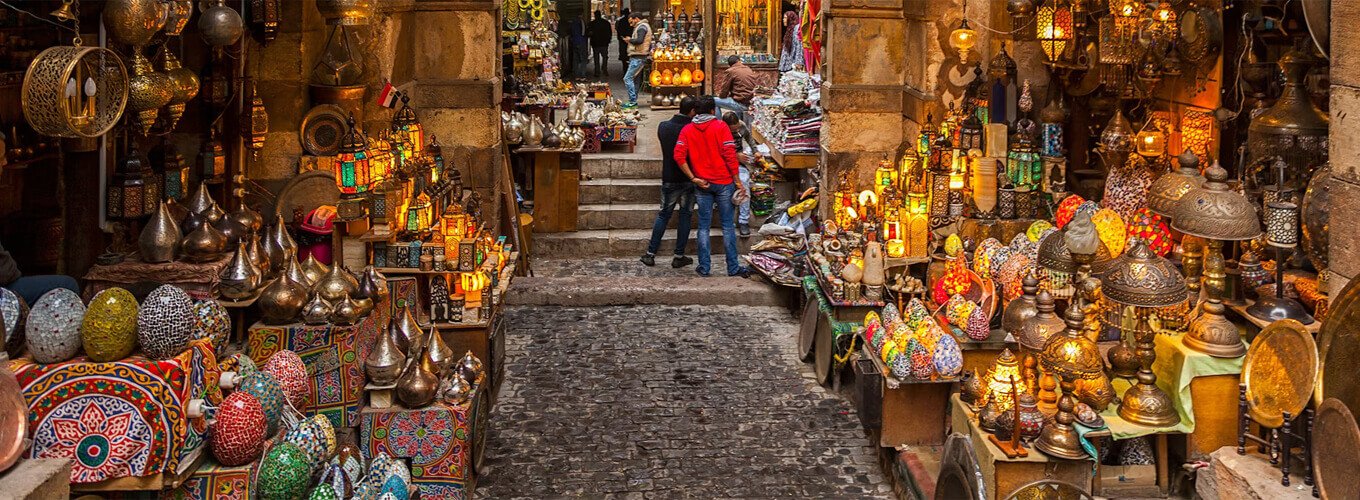
What should I know before visiting the souks and local markets in Cairo?
Visit in the morning for cooler weather or in the evening for a livelier atmosphere. Bring small cash, be ready to bargain politely, and keep your valuables secure in crowded areas.
- Carry small Egyptian pounds for easier payments and bargaining.
- Compare prices at a few stalls before buying.
- Haggle politely and keep the conversation friendly.
- Wear comfortable shoes because market lanes can be uneven.
- Keep valuables secure in a zipped crossbody bag.
There’s a particular kind of magic that happens the moment you step into one of the souks and local markets in Cairo: the air thickens with cardamom and incense, brass lanterns throw honeyed light across narrow lanes, and a shopkeeper you’ve never met is suddenly pouring you tea and calling you “my friend.” As a local who has spent years wandering these alleyways, I can tell you that shopping in Cairo isn’t a chore to tick off a list — it’s one of the most joyful, sensory-rich ways to understand the beating heart of this ancient city. Let me take you through the markets I love best, and share the practical know-how that turns a chaotic bazaar into a genuine shopper’s paradise.
Why Cairo’s Markets Are the Real Soul of the City
Cairo wears its history openly, and nowhere is that more visible than in its markets. Long before shopping malls arrived, commerce here happened in the open air, along caravan routes that connected Africa, Arabia and the Mediterranean.
Walking through a Cairo souk today, you’re following footsteps laid down over a thousand years. Traders still call out prices, artisans still hammer copper by hand, and families still run stalls that their great-grandparents opened.
What makes these places special isn’t just what you can buy. It’s the theatre of it all — the haggling, the laughter, the tea, the stories. You come for a scarf and leave with a friend and a lifetime memory.
Khan el-Khalili: The Grande Dame of Cairo Bazaars
If you visit only one market, make it Khan el-Khalili. Founded in the 14th century, this labyrinth in the heart of Islamic Cairo is the most famous of all the souks and local markets in Cairo, and for good reason.
The main lanes are a glorious sensory overload: gleaming brassware, hand-blown perfume bottles, embroidered galabeyas, alabaster figurines and towers of spice in every shade of ochre and rust. It’s touristy in places, yes, but it remains authentically alive.
My advice is to arrive with time to get lost. The best treasures hide down the quieter side alleys where the workshops are, away from the main tourist drag.
What to Look For in Khan el-Khalili
- Hand-engraved brass and copperware — trays, lanterns and coffee pots made using techniques passed down for generations.
- Mother-of-pearl inlaid boxes — beautiful, lightweight and easy to pack home.
- Perfume oils — pure, alcohol-free essences sold by the gram from ornate glass bottles.
- Handmade jewellery — silver cartouches engraved with your name in hieroglyphs make a personal keepsake.
Pause for Tea at El Fishawy
Tucked inside the bazaar is El Fishawy, one of Cairo’s oldest coffee houses, reputedly serving customers for well over two centuries. Sink into a chair, order a mint tea or a shisha, and simply watch the world drift past.
It’s the perfect antidote to shopping fatigue, and a reminder that in Cairo, sitting still is its own kind of experience. Many of our guests on our Cairo tours tell me this quiet half-hour was an unexpected highlight of their whole trip.
The Spice Alleys: A Feast for the Nose
No visit to a Cairo market is complete without diving into the spice trade. Around Khan el-Khalili and along the lanes near Bab al-Ghouri, you’ll find mountains of vividly coloured powders and dried herbs stacked in open sacks.
The scent alone is worth the trip — smoky cumin, warm cinnamon, floral hibiscus and the unmistakable perfume of dried mint. This is where Egyptian home cooking begins.
Look for classic local blends like dukkah (a nutty spice mix), kammun (cumin) and dried karkadeh (hibiscus flowers) for making Egypt’s famous ruby-red tea. Vendors are usually happy to let you smell and taste before you commit.
Buying Spices Like a Local
- Buy whole spices where you can — they keep their aroma far longer than pre-ground powders.
- Ask for a small sample and rub it between your fingers; fresh spice releases oil and scent instantly.
- Purchase in modest quantities so everything stays fresh by the time you get home.
- Bring sealable bags — some stalls wrap loosely in paper, which isn’t ideal for a long flight.
Tentmakers’ Street: Cairo’s Hidden Textile Gem
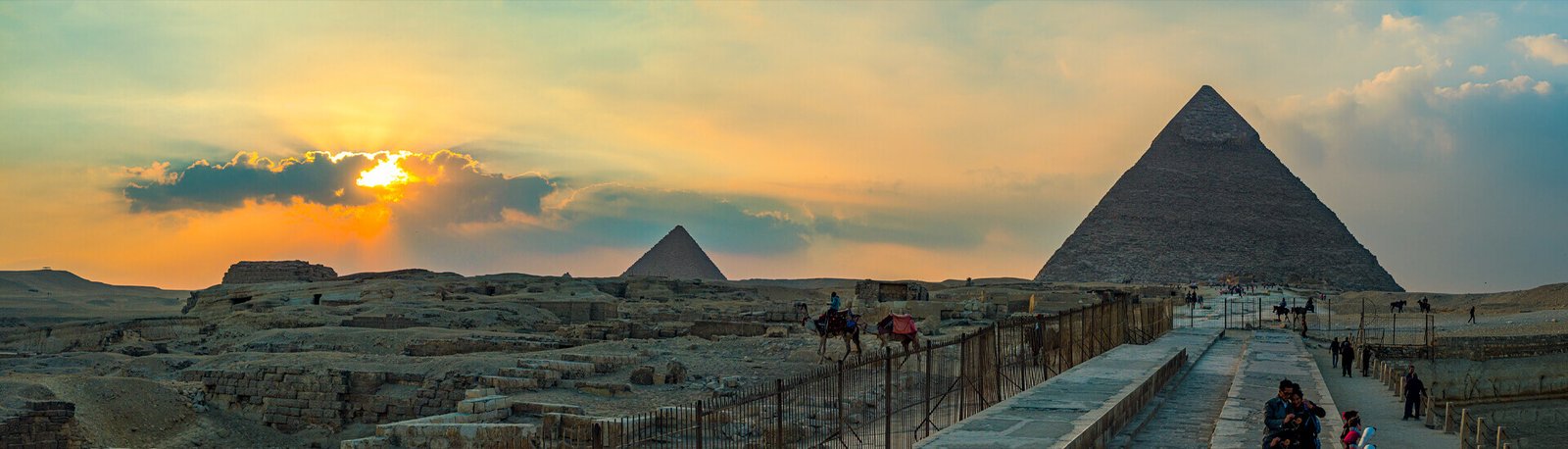
Just south of the medieval Bab Zuweila gate lies Sharia al-Khayamiya, the Street of the Tentmakers. This covered lane is one of my favourite corners of Cairo, and far quieter than the main bazaar.
Here, craftsmen sit cross-legged stitching khayamiya — dazzling appliqué textiles hand-sewn in geometric and floral patterns. Historically these fabrics decorated ceremonial tents; today they make stunning cushion covers, wall hangings and quilts.
Because you can watch the artisans working right in front of you, this is one of the most rewarding places to buy something with a genuine story behind it. Every stitch is done by hand, and no two pieces are ever identical.
Wekalet al-Balah: Where Cairenes Actually Shop
If you want to see a market without a single souvenir stall, head to Wekalet al-Balah near the Nile in the Boulaq district. This sprawling fabric and clothing market is where locals come for bargains.
Bolts of cotton, linen and colourful printed fabric spill from every shop, alongside secondhand clothing and household goods. It’s raw, busy and utterly authentic.
You won’t find polished tourist trinkets here, but you will experience everyday Cairo life at full volume. It’s a brilliant spot for keen sewers or anyone hunting for inexpensive fabric by the metre.
The Camel and Livestock Markets of Old
Cairo’s trading heritage extends well beyond trinkets and textiles. Historically, the famous Birqash camel market on the city’s outskirts was a hub for buyers from across North Africa.
While a livestock market isn’t for everyone, it offers a fascinating, unvarnished window into rural Egyptian commerce — a world away from the polished bazaars. If you’re a serious cultural traveller, it’s an eye-opening detour.
Do go with a guide and go early, as trading winds down by mid-morning. It’s best folded into a broader itinerary rather than visited alone.
Al-Muizz Street: An Open-Air Museum That Shops
Running through the heart of Islamic Cairo, Al-Muizz Street is often described as the largest open-air museum of medieval architecture in the world. But it’s also a living market.
Between the illuminated mosques, madrasas and merchant houses, you’ll find shops selling lamps, textiles, antiques and ornaments. In the evening, when the historic façades are floodlit, the whole street glows like a film set.
This is my top recommendation for travellers who want to combine sightseeing with shopping. You can admire 1,000-year-old architecture and pick up a hand-worked lantern within the same hour.
The Art of Haggling: A Friendly Guide
Bargaining is expected in almost every Cairo souk, and it’s meant to be fun rather than confrontational. Approach it as a playful conversation, not a battle.
A good rule of thumb is to smile, stay relaxed, and never show too much excitement over any single item. If you fall in love with a lamp too visibly, your negotiating power evaporates.
My Tried-and-Tested Haggling Tips
- Start low but reasonable. Countering at roughly half the opening price is a common starting point, then meet somewhere in the middle.
- Be prepared to walk away. A gentle “thank you, maybe later” often brings the price down as you turn to leave.
- Bundle your buys. Purchasing several items from one stall gives you leverage for a better overall deal.
- Keep it warm. Egyptians value good humour; a laugh will get you further than a hard stare.
- Carry small notes. Having exact change avoids the classic “no change” delay and speeds up the deal.
Treasures Worth Bringing Home
With so much on offer, it helps to know which souvenirs genuinely reflect Egyptian craftsmanship. Some items are far more special than the mass-produced trinkets you’ll see everywhere.
Over the years, I’ve watched which purchases my guests treasure most long after they fly home. These are the ones that consistently bring joy.
- Handmade brass lanterns — the pierced designs cast beautiful shadow patterns across a room.
- Egyptian cotton — genuinely world-class; scarves, shirts and bed linens are excellent value.
- Alabaster carvings — small vases and figurines carved from stone quarried near Luxor.
- Papyrus art — buy from a reputable shop that shows you real papyrus, not banana-leaf imitations.
- Silver name cartouches — personalised jewellery engraved in hieroglyphs.
- Pure perfume oils and essential essences — Egypt has a long history as a centre of the fragrance trade.
Spotting the Genuine Article
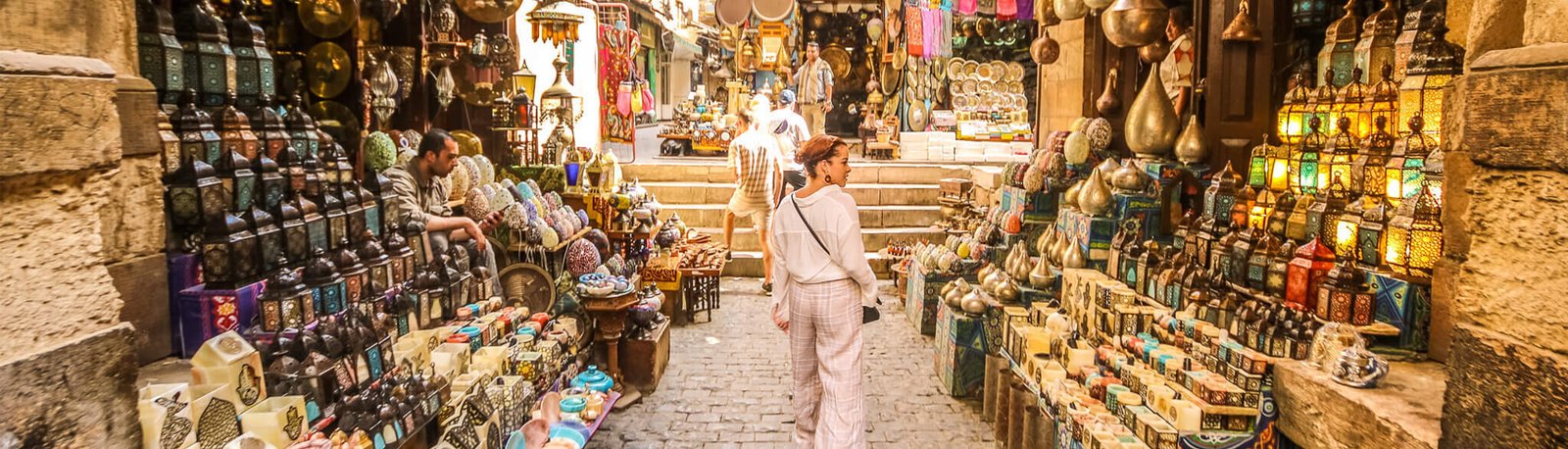
Quality varies enormously in any busy bazaar, so a little discernment goes a long way. Not everything glittering under those lanterns is what it claims to be.
For papyrus, gently roll a corner — real papyrus is flexible and won’t crack, whereas cheap imitations are brittle. For alabaster, hold the piece up to the light; genuine stone is slightly translucent and cool to the touch.
With Egyptian cotton, feel the weight and softness, and don’t be shy about asking questions. Honest sellers are usually proud to explain their craft, and a confident vendor who welcomes scrutiny is often a good sign.
Timing Your Visit for the Best Experience
When you go can shape your whole market experience. Mornings are calmer and cooler, ideal for photography and unhurried browsing before the crowds build.
Evenings, on the other hand, are electric. As the heat fades, the lanes fill with locals and the historic buildings light up, giving the bazaar a festive, almost cinematic atmosphere.
Fridays tend to be quieter in the mornings owing to prayers, while religious holidays bring their own vibrant energy. If you’re planning around the wider country, our flexible Egypt day trips make it easy to slot a market visit into a busy itinerary.
Staying Comfortable and Street-Smart
Cairo’s markets are safe and welcoming, but a few sensible habits will keep your visit smooth and stress-free. Crowds are part of the charm, though they call for a little awareness.
- Wear comfortable, closed shoes — the lanes are uneven and often busy.
- Dress modestly, especially near mosques; covering shoulders and knees shows respect.
- Keep valuables in a zipped bag worn across your body in crowded stretches.
- Carry cash in small denominations, as many stalls don’t take cards.
- Stay hydrated and duck into a coffee house when you need a break from the bustle.
A polite “la, shukran” (no, thank you) is all you need to move past an eager seller without any awkwardness. Egyptians are famously hospitable, and a smile is your best travelling companion.
Beyond Cairo: Markets Across Egypt
While Cairo boasts the grandest bazaars, the joy of Egyptian markets doesn’t end at the capital. Each region has its own distinct trading character worth discovering.
In the south, the riverside stalls of Aswan are a riot of colour and spice, heavily influenced by Nubian culture — vivid textiles, indigo dyes and fragrant hibiscus abound. Our Aswan tours often include time at the famous Aswan souk, one of the most photogenic in the country.
Luxor, meanwhile, pairs its incredible temples with lively bazaars selling alabaster and spices. Combining a market wander with the monuments on our Luxor tours gives you the full flavour of Upper Egypt. For a coastal contrast, the resort markets you’ll encounter on our Hurghada tours offer relaxed, seaside shopping between beach days.
Weaving Markets Into a Bigger Egyptian Adventure
The beauty of Cairo’s markets is how effortlessly they slot into a broader journey. A morning at the Pyramids, an afternoon in the Egyptian Museum and an evening in Khan el-Khalili make for a perfect, well-rounded Cairo day.
Many travellers combine the capital with a sail down the river, drifting between the great temples of the south. If that appeals, our Egypt Nile cruises pair beautifully with a couple of days exploring Cairo’s bazaars at the start or end of the trip.
And because no two travellers shop, or explore, quite the same way, we’re always happy to build something around your own interests. A tailor-made Egypt tour lets us weave in exactly the markets, monuments and downtime you’re dreaming of.
A Few Final Words of Local Wisdom
After all these years, my single best piece of advice is this: slow down. The souks reward the unhurried far more than the frantic.
Accept the tea when it’s offered. Chat with the coppersmith. Ask the spice seller about his favourite recipe. The purchases you carry home matter, but the conversations you have along the way are the real souvenirs.
Cairo’s markets have been welcoming curious visitors for centuries, and they’ll wrap you in that same warm, chaotic embrace the moment you arrive. Come with an open mind, a light bag and a healthy appetite for wonder.
Ready to Explore Cairo’s Souks for Yourself?
The souks and local markets in Cairo are best discovered with someone who knows the shortcuts, the honest sellers and the hidden workshops — and that’s exactly what we love doing. At Daily Pyramids Tours, we design every journey to blend Egypt’s legendary sights with these unforgettable, sensory-rich local experiences.
Whether you dream of haggling in Khan el-Khalili, sailing the Nile or seeing it all on a complete Egypt travel package, our local team is ready to make it happen. Get in touch, and let’s plan a trip that lets you shop, savour and truly experience Egypt the way the locals do.
Ready to Experience Egypt for Yourself?
Let our local experts turn these ideas into an unforgettable journey — guided, seamless, and tailored entirely around you.

